Full Article
about Hornillos de Cerrato
Village with castle remains and a hilltop church; panoramic views over El Cerrato and quiet.
Hide article Read full article
Hornillos de Cerrato, sobre la loma
Para entender Hornillos de Cerrato hay que mirar primero el mapa. El pueblo se asienta sobre una de las lomas suaves que dibujan esta parte de la provincia de Palencia, a unos 800 metros. Desde allí, se domina la llanura cerealista que marca el ritmo del año. Viven alrededor de 170 personas y la vida diaria sigue girando en torno a la agricultura. El silencio del campo no es una anécdota aquí, sino un estado permanente, igual que el viento que recorre los trigales.
El topónimo Hornillos parece hacer referencia a los hornos, de pan o de cal, que eran comunes en los pueblos de la zona. Tiene sentido en un lugar donde las estructuras comunitarias tuvieron una función práctica durante siglos. El terreno alrededor responde al patrón clásico del Cerrato: cerros cultivados, vaguadas y una red de caminos rurales que unen las poblaciones. Es un paisaje abierto, donde el horizonte se pierde kilómetros adelante y donde el trabajo humano ha modelado la tierra sin grandes alardes.
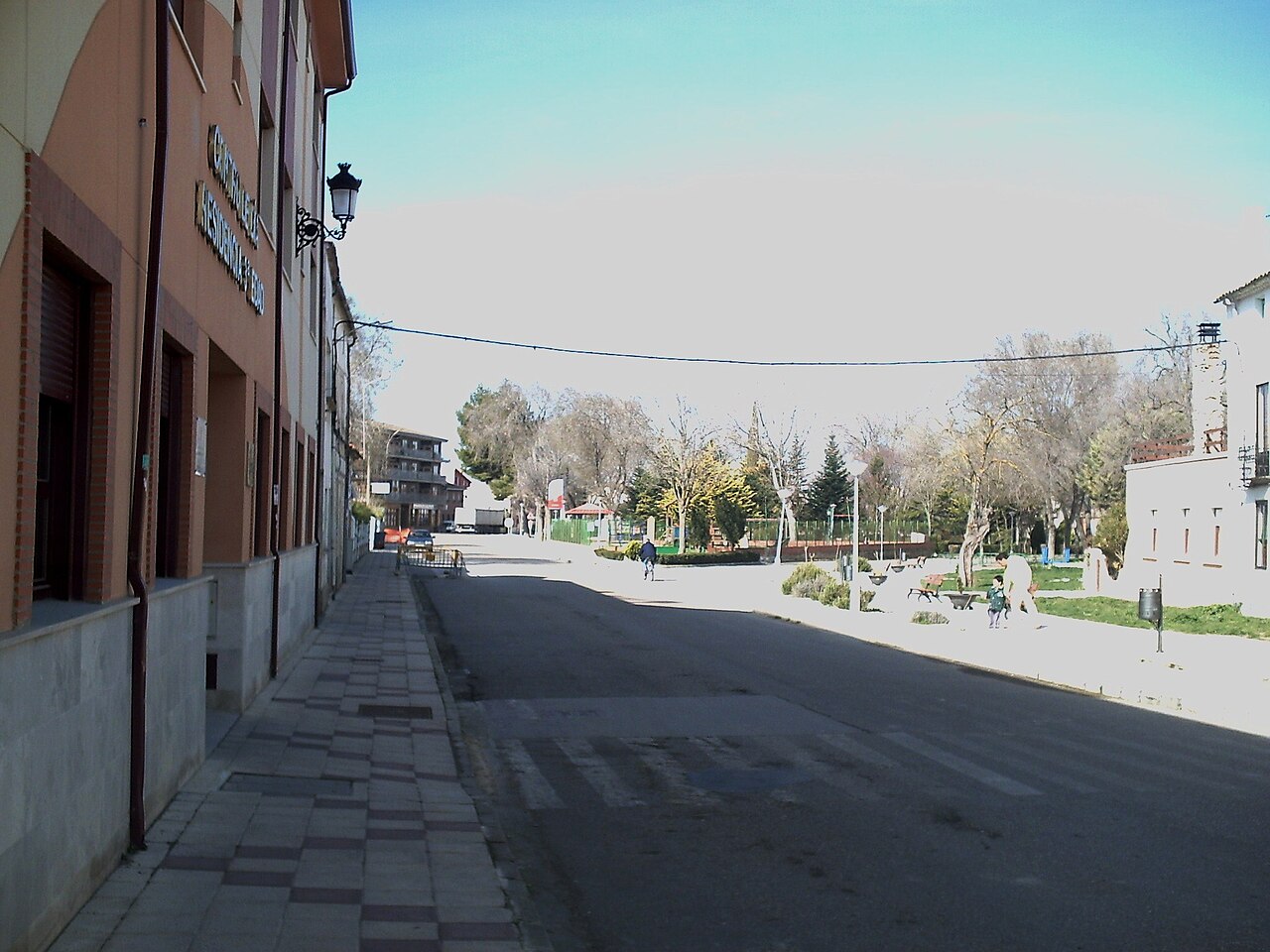
Recorrer Hornillos es sencillo. El pueblo es pequeño y sus calles obedecen a la lógica práctica de los asentamientos agrarios de la meseta, hechas para el uso diario, no para un plano preconcebido.
La iglesia y la arquitectura del terreno
La iglesia parroquial de San Juan Bautista ocupa el centro del pueblo. Como muchas iglesias rurales, el edificio muestra varias fases de construcción y adaptación. Su estructura es sencilla y la torre se eleva por encima de las casas sin llegar a dominar el conjunto.
Dentro, los elementos son modestos. Hay una pila bautismal de piedra, desgastada por el uso, y varios retablos de estilo popular. No es un lugar de grandes obras de arte, pero sí da una idea clara de la vida religiosa cotidiana en los pueblos de esta comarca.
Las calles conservan muchos ejemplos de la arquitectura tradicional del Cerrato. Son frecuentes las casas de adobe, tapial y entramado de madera, materiales que hablan de la escasez de piedra de calidad en la zona. Muchas viviendas incorporan bodegas subterráneas excavadas en la tierra, que aprovechan la temperatura estable para guardar vino y alimentos. Es una solución extendida en toda la región y sigue siendo un elemento distintivo de su paisaje construido.
En las afueras, quedan vestigios del sistema agropecuario anterior: eras, corrales y algunos pajares. Algunos están en desuso o semiderruidos, pero ayudan a explicar cómo funcionaba la economía del pueblo hasta hace no tanto.
El paisaje de los caminos
El entorno de Hornillos de Cerrato es un buen ejemplo del carácter de esta comarca. Cerros cultivados se alternan con barrancos suaves, y una red de caminos rurales sigue siendo utilizada por los agricultores para llegar a sus tierras. El color cambia con las estaciones: el verde del cereal en primavera, los tonos dorados del verano, y tras la cosecha, un terreno más despejado donde se ven mejor las formas del relieve.
Estos espacios abiertos acogen aves propias de los ambientes esteparios cerealistas. En el Cerrato se citan especies como la avutarda, el sisón o el aguilucho cenizo, aunque avistarlos depende mucho de la época del año y de la proximidad a zonas de cultivo más tranquilas. Quien busque observarlas suele recorrer los caminos con prismáticos y paciencia.
Esos mismos caminos permiten pasear o ir en bicicleta por la zona, aunque no existe una red señalizada. Conviene tener cierta orientación antes de salir, pues muchos de estos trayectos son aún de uso agrícola activo.
Lo práctico: vivir con lo justo
Hornillos de Cerrato es un pueblo pequeño sin servicios turísticos específicos. Para comer, comprar o pernoctar, se suele recurrir a localidades mayores de los alrededores.
La comarca mantiene una tradición alimentaria ligada a lo agrario. Legumbres, embutidos y lechazo asado forman parte de la cocina habitual. Otro elemento familiar en el paisaje es el palomar tradicional. Muchos están hoy en ruinas, pero siguen siendo una seña de identidad del Cerrato.
Por la noche, la escasa iluminación artificial permite ver el cielo con notable claridad cuando las condiciones acompañan. En zonas más pobladas esto se ha vuelto raro; aquí forma parte del transcurso normal de la vida rural.