Full Article
about Magaz de Pisuerga
A key transport hub and commuter town, noted for its castle-turned-cemetery and its closeness to Palencia and Venta de Baños.
Hide article Read full article
A village shaped by the Cerrato
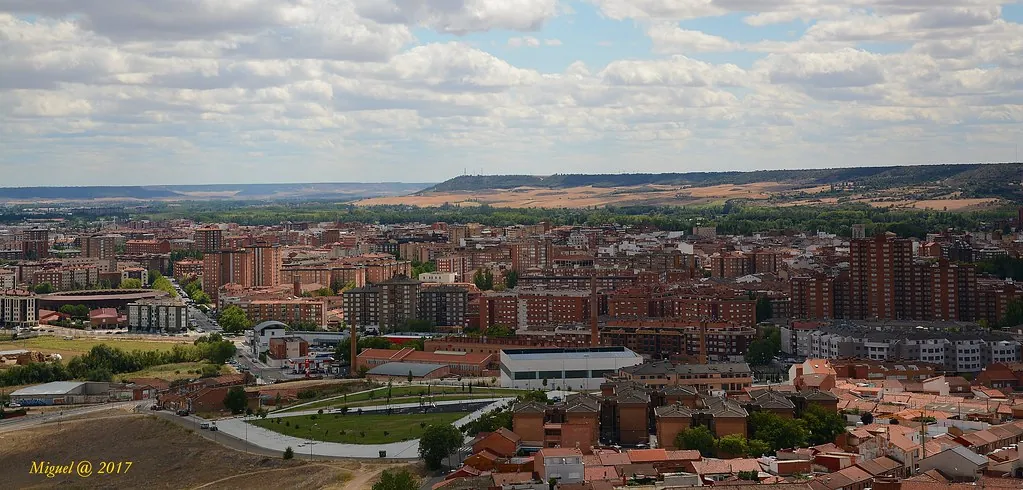
Magaz de Pisuerga sits in the comarca of El Cerrato, in the province of Palencia. The landscape here is one of wide cereal plains on the higher ground, broken by the gentle slopes that lead down to the river Pisuerga. This contrast between the river valley and the upland terrain explains much about the village's layout and its long history with agriculture.
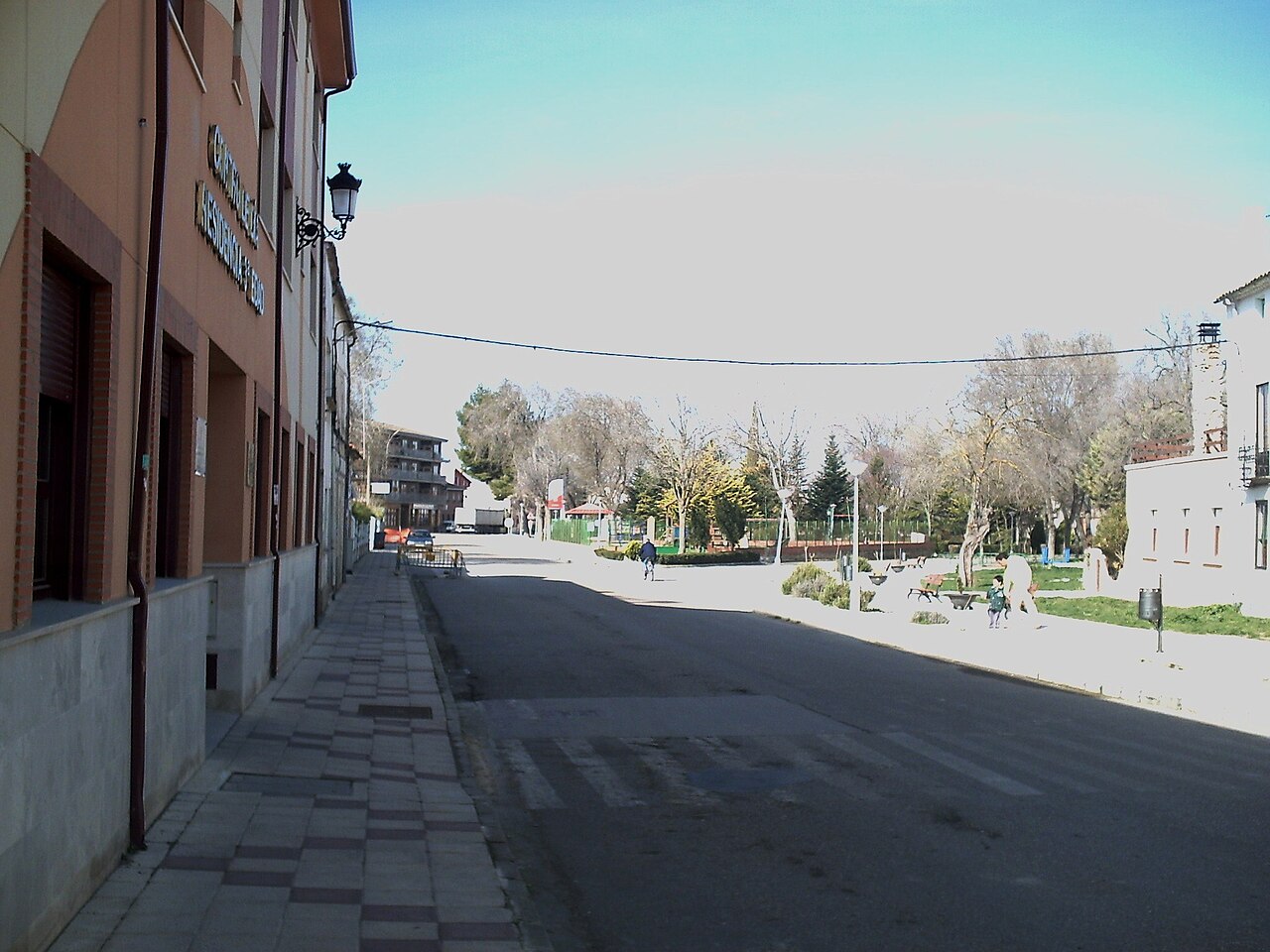
The settlement follows a simple urban pattern, typical of a place tied for centuries to farming. Streets are narrow. The older houses show local building traditions: stone appears alongside adobe and brick, materials that were readily available and suited to the climate. Walking through the centre, this mix gives a tangible sense of continuity with older ways of building.
The church of San Pedro and its purpose
The profile of Magaz de Pisuerga is defined by the church of San Pedro. The present building dates from around the 16th century, with later alterations that explain its combination of Renaissance structure and Baroque additions.
What matters more than its size is its position. The tower is visible from various points across the surrounding plains. In this open landscape, church towers served a practical purpose as visual reference points, guiding people moving along agricultural tracks or approaching from the higher páramos.
Around the church, the village centre retains a modest scale. The layout feels organic, shaped by farming routines and available materials rather than any grand design.
Underground cellars and viticulture
On the slopes near the village, you’ll see a distinctive feature of the Cerrato: traditional underground wine cellars. These bodegas are dug into the earth, identifiable from the outside by small chimneys or vents rising from the ground.
Inside, they maintain a stable temperature year-round, which made them suitable for storing wine and other produce before modern preservation. Many still have owners; some are in use, while others remain as part of the inherited landscape.
Walking the nearby tracks brings them into clearer view. Their number and distribution make it evident how important viticulture once was to the local economy. Even when not in active use, they are part of the area's identity, tied directly to how people worked the land.
The river and the plain
The river Pisuerga flows close to Magaz, creating a band of vegetation—groves of poplars, areas with more moisture—that contrasts with the open fields of the Cerrato. Move away from the river, and the scenery shifts back to cereal fields and drier ground, with long, uninterrupted horizons.
This transition from valley to plain is gradual but definitive. Agricultural tracks link Magaz with neighbouring villages; following them shows how the territory is organised.
The land reflects seasonal cycles clearly. In spring, fields are covered in growing cereal; after the harvest, the terrain opens up completely. These changes affect not just the view, but how you experience moving through the area.
Walking the tracks
Paths leading out from Magaz connect with other municipalities and cross cultivated plots that change with the season. These are working rural routes, shaped by agricultural use.
Shade is limited, which is typical for the comarca. On warmer days, it’s more comfortable to walk early or late, when temperatures ease. The openness of the terrain means the sky and horizon are constant companions.
These walks are less about a destination and more about observing the relationship between land, crops and settlement. The gradual transitions in the landscape, along with features like the distant church tower or the cellar vents, help place the village within its wider context.
If you go
Magaz de Pisuerga is a short drive from Palencia, allowing for an unhurried visit. The centre is easily covered on foot, and the rural paths begin at the edge of the built-up area.
For an understanding of local architecture, look at the construction of older houses—the mix of stone, adobe and brick—and at the underground cellars on the slopes. Together, they show how building methods and agricultural life shaped the village.
The surrounding tracks are public, but remember they cross working land; closing a gate behind you is more than a courtesy.