Full Article
about Melgar de Yuso
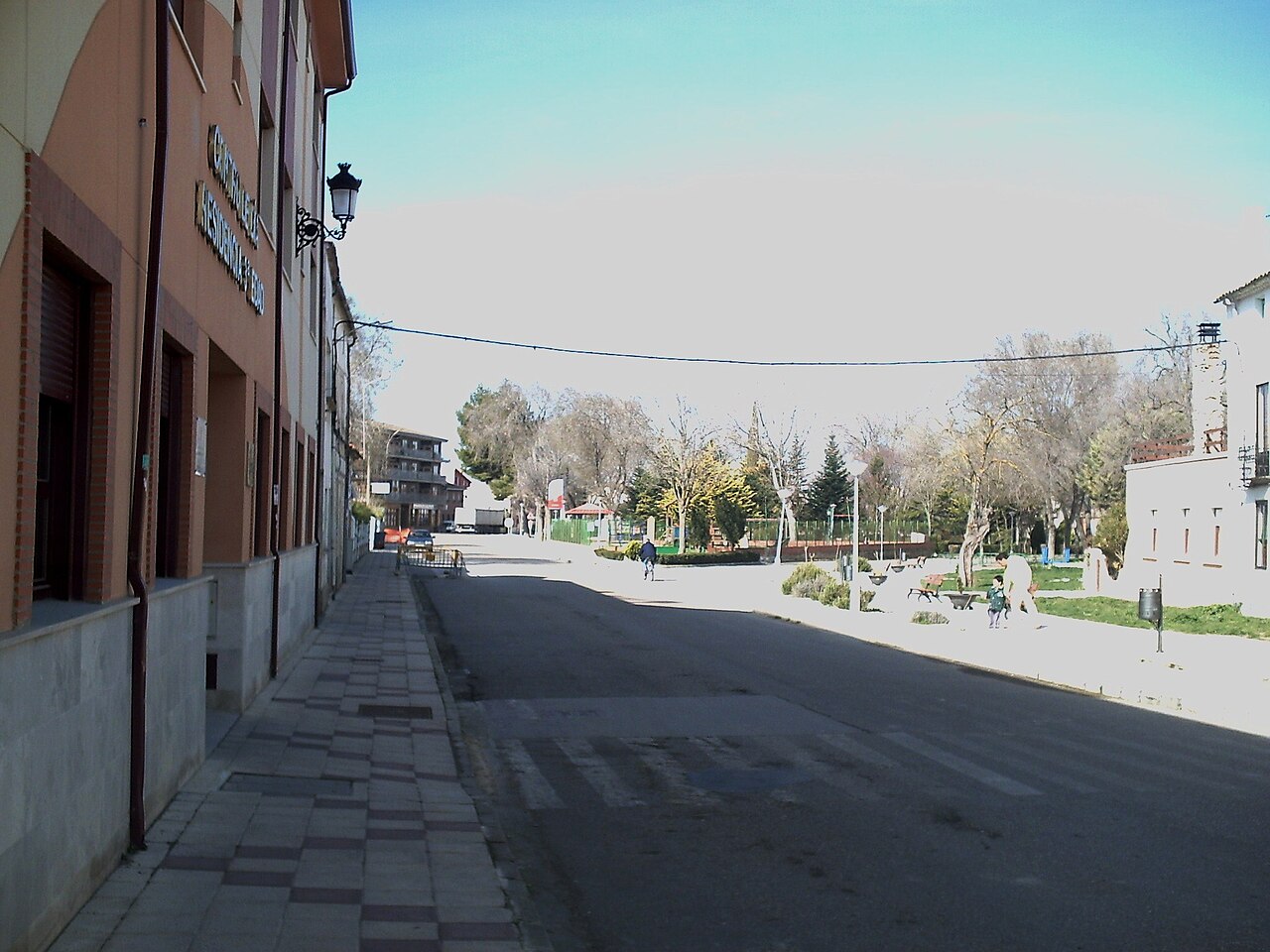
Located on the Pisuerga River; noted for its castle (private) and parish church; natural border with Burgos.
Ocultar artículo Leer artículo completo
The morning mist hangs at exactly 760 metres above sea level, and from the single bench outside the church, you can watch it dissolve across wheat fields that stretch farther than any British horizon. Melgar de Yuso sits high enough that the air carries a snap even in June, yet low enough that no coach parties bother climbing the final 12 kilometres from the A-62. That's the first thing to understand about this Castilian hamlet: altitude shapes everything, from the sharpness of the cheese to the way conversations carry across the plaza.
Adobe walls and altitude lungs
Adobe isn't a building material you encounter much in Surrey. Here it forms every other wall, a mixture of local clay, straw and water that dries the colour of digestive biscuits. The technique arrived with the Moors, lingered through the Reconquista, and survived because these 250 souls never had funds for modern replacements. Walk the single main street at 9 a.m. and you'll pass houses whose walls taper slightly towards the top, a trick that helps them flex when the plateau wind arrives. That wind, by the way, averages 18 km/h in March; bring a scarf even if the thermometer insists it's 14 °C.
The church door is usually locked, but knock at number 17 opposite and Doña Felisa will fetch the key from a kitchen drawer. Inside, the single nave smells of beeswax and burnt electricity; the priest visits only twice a month, so the faithful ring a bell themselves before services. Look up and you'll notice the ceiling timbers are poplar, felled on the north-facing slope where slower growth produces denser grain. It's the sort of detail that reminds you timber frames in Herefordshire barns follow exactly the same logic.
Wheat, wind and winter roads
Leave the village by the unpaved track signposted "Arroyo de las Brujas" and within ten minutes the cereal sea swallows the last roof. The path follows a dry valley once dammed by peasants to power a stone threshing floor; the foundations are still there, carpeted with poppies in May. This is not hiking country in the Lake District sense. Waymarking is sporadic, shade non-existent, and the only sound is the wheat itself brushing against your boots. Carry two litres of water per person between May and September; dehydration arrives faster at altitude than most Brits expect.
Winter transforms the approach. The provincial grader clears the road only after the neighbouring town of Palencia has been sorted, so the final kilometres can remain glass-slick for days. Chains are legal here and worth tossing in the boot if you're visiting between December and February. When snow does settle, the landscape flattens into an almost East Anglian blankness—except East Anglia never enjoyed this thin, lung-filling air.
Roast lamb and the 30-minute rule
Food is dictated by what keeps in a larder that can swing from 28 °C in August to minus 8 in January. Lechazo—milk-fed lamb roasted in a wood-fired clay oven—appears on every neighbouring menu within a 25-km radius. The cut is smaller than British spring lamb, the meat paler, and the cooking time precisely 45 minutes at 220 °C. Order it for lunch and the waiter will start the stopwatch; arrive late and you'll wait for the next batch. Vegetarians aren't ignored, but they should expect eggs and beans rather than imaginative plant-based plates. The nearest reliable non-meat option is in Palencia, 35 minutes away by car.
Wine follows the same practicality. Ask for "vino de la casa" and you'll get a tinto from Ribera del Duero poured from an unlabelled bottle. It costs about €2.50 a glass and tastes of tempranillo left alone to do its job. If you prefer whites, bring your own; the region's altitude and continental climate favour reds, and local pride won't stretch to stocking Albariño for the occasional foreigner.
When the village parties (and when it doesn't)
Fiestas patronales fall on the third weekend of July, timed to the wheat harvest and the feast of Saint Christina, whoever she was. The population quintuples for forty-eight hours as grandchildren return from Valladolid and Madrid. A brass band plays pasodobles in the square until 3 a.m.; earplugs are distributed free at the bar because even the mayor admits the trumpet section is "enthusiastic". If you crave sleep, book a room in Melgar de Arriba, uphill and therefore upwind, where the bass line thumps instead of roars.
The rest of the year runs on agricultural time. Shops—both of them—close between 2 p.m. and 5 p.m. sharp. Bread arrives from the regional bakery at 8 a.m.; when it's gone, it's gone. There is no cash machine; the bar will do cashback with a purchase over €10, but only if the phone line is working. Download offline maps before you leave the motorway because 4G flickers like a bad torch battery once you crest the final ridge.
Practicalities without the brochure speak
Getting here: Valladolid airport is 85 minutes away on fast A-roads; hire cars start at about £30 a day in low season. There is one daily bus from Palencia at 1 p.m., returning at 7 a.m. next day—fine if you enjoy dawn starts, otherwise forget it.
Staying: Three village houses rent rooms via the regional tourist board. Expect €45–60 for a double, including coffee and a churro breakfast. Heating is by pellet stove; ask for a tutorial if you've never fed fuel into a tiny inferno before bedtime.
Walking: The tourist office in Palencia stocks a €6 booklet of five circular walks, the longest 14 km. None are steeper than Box Hill, but the altitude can add 20% to your usual time; plan accordingly.
Weather: Even in July night-time can dip to 12 °C. Between October and April pack as if for a crisp Northumberland day, then subtract the rain gear—precipitation here is half that of Leeds.
Melgar de Yuso won't change your life. It will, however, recalibrate your sense of scale: of distance, of sky, of how quietly humans can live when the nearest Starbucks is 70 kilometres away. Arrive expecting grand attractions and you'll be disappointed within an hour. Arrive happy to sit, breathe and watch wheat change colour in the wind, and the village repays with a clarity the Dales can only envy on their finest October morning.