Full Article
about Población de Cerrato
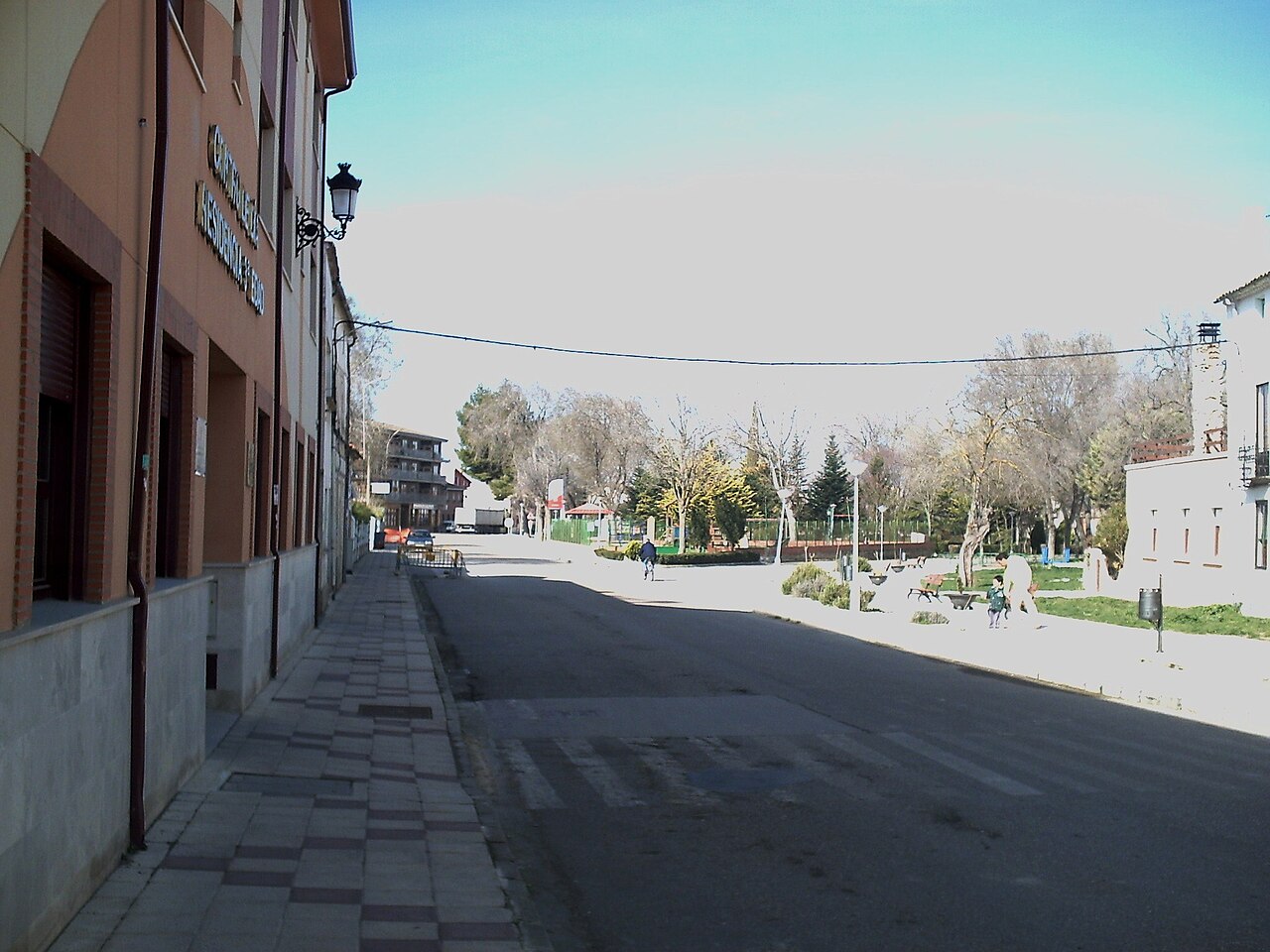
Cerrato town with a large square and heraldic houses; noted for its church and the views from the hill.
Ocultar artículo Leer artículo completo
The church bell strikes eleven and nobody hurries. A tractor idles outside the only bar, its driver sipping a caña that costs €1.20. At 760 metres above sea level, on Spain's northern plateau, Población de Cerrato keeps time differently from the coast or the cities. The wheat doesn't care about your schedule.
The Edge of the Mesa
From Palencia city, a 25-minute drive south-east on the CL-619 delivers you to a landscape that refuses to flatter. The cereal plain rolls like a gentle swell, each rise revealing more of the same: ochre soil, silver-green wheat, and the occasional stone pile that used to be a farmhouse. Then the village appears—not dramatically, just suddenly—its church tower the sole vertical punctuation between horizon and sky.
This is El Cerrato, a district shared by Palencia, Burgos and Valladolid provinces, where villages were built on slight elevations for defensive advantage that now translates to panoramic views. Población's 5000 inhabitants (the census swells with summer returnees) occupy a grid of sandy lanes wide enough for ox-carts, though today's traffic is mostly ageing Seat Ibizas and the odd delivery van.
Stone, Adobe and the March of Time
The Iglesia de San Miguel stands centre-stage, a layered construction that reveals its renovations like tree rings. Twelfth-century masonry sits beneath eighteen-century baroque additions; the bell tower was rebuilt after lightning in 1923. Step inside during evening mass and the interior is candle-bright, the stone still warm from the day's heat. No admission charge, no audio-guide—just the smell of wax and centuries.
Radiating from the plaza, houses alternate between immaculate and gently collapsing. Adobe walls two feet thick keep interiors cool in July and buffer January frosts that can dip to -8 °C. Wooden doors hang on medieval iron hinges; many still retain the small sliding hatch once used to check the identity of night visitors. Some properties sport fresh limewash in sunflower yellow or terracotta; others peel artfully, exposing earlier colour schemes like archaeological strata.
Peer over half-height walls and you'll spot bodegas subterrâneas—cellars dug into the hillside, their zig-zag entrance passages designed to block winter wind yet allow barrels through. Wine production here was never grand cru; it was everyday sustenance. A few locals still ferment small batches for family consumption, though most vineyards were grubbed up when EU subsidies favoured wheat.
Walking the Blank Canvas
The village sits on a plateau rim; walk ten minutes south and the land falls away into the valley of the Carrión River. A network of unsignposted caminos—farm tracks—forms figure-of-eight circuits of 5 km, 9 km or 14 km. The terrain looks flat until you're on it: the caminos dip into seasonal gullies and climb gentle escarpments that leave calves pleasantly surprised. Shade is theoretical; carry more water than you think necessary, especially in May when the sun already has teeth but the air feels mild.
Spring brings wheat ankle-high, emerald against red soil. By late June the stalks reach chest height and the wind produces a shooshing applause that drowns footfall. Autumn strips colour back to bronze stubble and the occasional shock of green where irrigation pivots have been installed. Winter is monochrome—wheat stubble, dark soil, lead sky—yet the clarity of light makes every telegraph pole cast a ruler-straight shadow.
Birdlife rewards patience. Calandra larks rise vertically, singing like overheard fax machines. Red-legged partridge explode from ditches in comic flurry. On thermals above, common buzzards and the occasional golden eagle cruise without flapping. Bring binoculars; there are no hides, just field edges and the patience to stand still.
What Passes for Gastronomy
Población itself offers no restaurants. The single bar, Casa Cándido, opens at 07:00 for farmers' breakfasts—coffee with a splash of brandy, plus tostada rubbed with tomato and garlic for €2.50. Lunch is whatever María decides to cook: perhaps cocido stew on Tuesdays, roast suckling lamb at weekends. Arrive after 14:30 and the menu is "finished". Accept it.
For sit-down choices, drive 12 km to Dueñas where Mesón Asador La Cueva does exemplary lechazo (milk-fed lamb) carved tableside with a dinner plate instead of a knife. Starters of local white beans with chorizo cost €7; a quarter lamb feeds two at €24. House wine from nearby Ribera del Duero arrives in a chipped earthenware jug and tastes better than it should.
Self-caterers should stock up in Palencia before arriving. The village shop doubles as the bread counter and parcel collection point; opening hours follow lunar logic. Fresh veg comes via a mobile van that toots its horn every Thursday at 11:00—miss it and you're eating tinned asparagus until next week.
When to Come, Where to Sleep
April–mid-June and September–October deliver 22 °C days and 8 °C nights, ideal for walking without heatstroke or frost-nip. July and August push 35 °C at midday; activities shift to dawn and dusk, and the wheat harvest fills the air with chaff. Winter is honest: blue skies, -5 °C mornings, wood-smoke drifting from chimneys. Roads are gritted promptly—this is grain country, snow cannot be allowed to linger.
Accommodation within the village is limited to two self-catering houses rented by London expats who decamped for the silence (book via "Cerrato Retreats", around £85 per night, three-night minimum). Otherwise, the nearest beds are in Dueñas: Hotel Camino de Santiago offers functional doubles for €55, or the smarter Hospedería de los Palmeros in Ampudia (18 km) has four-poster rooms in a sixteenth-century palace at €110 including breakfast worthy of a bishop—thick hot chocolate, churros, and jamon sliced to order.
The Unspoken Contract
Población de Cerrato will not entertain you. There are no interpretive centres, no craft markets, no selfie-points. What it offers is a contract: bring your own curiosity, walk without waymarks, speak basic Spanish, and the village will repay with unfiltered continuity. Sit on the plaza bench at sunset when the stone radiates the day's heat, listen to swifts slicing the sky, and understand why the young leave and the old remain. By the time the church bell strikes nine you'll have reset to local time—whether you intended to or not.