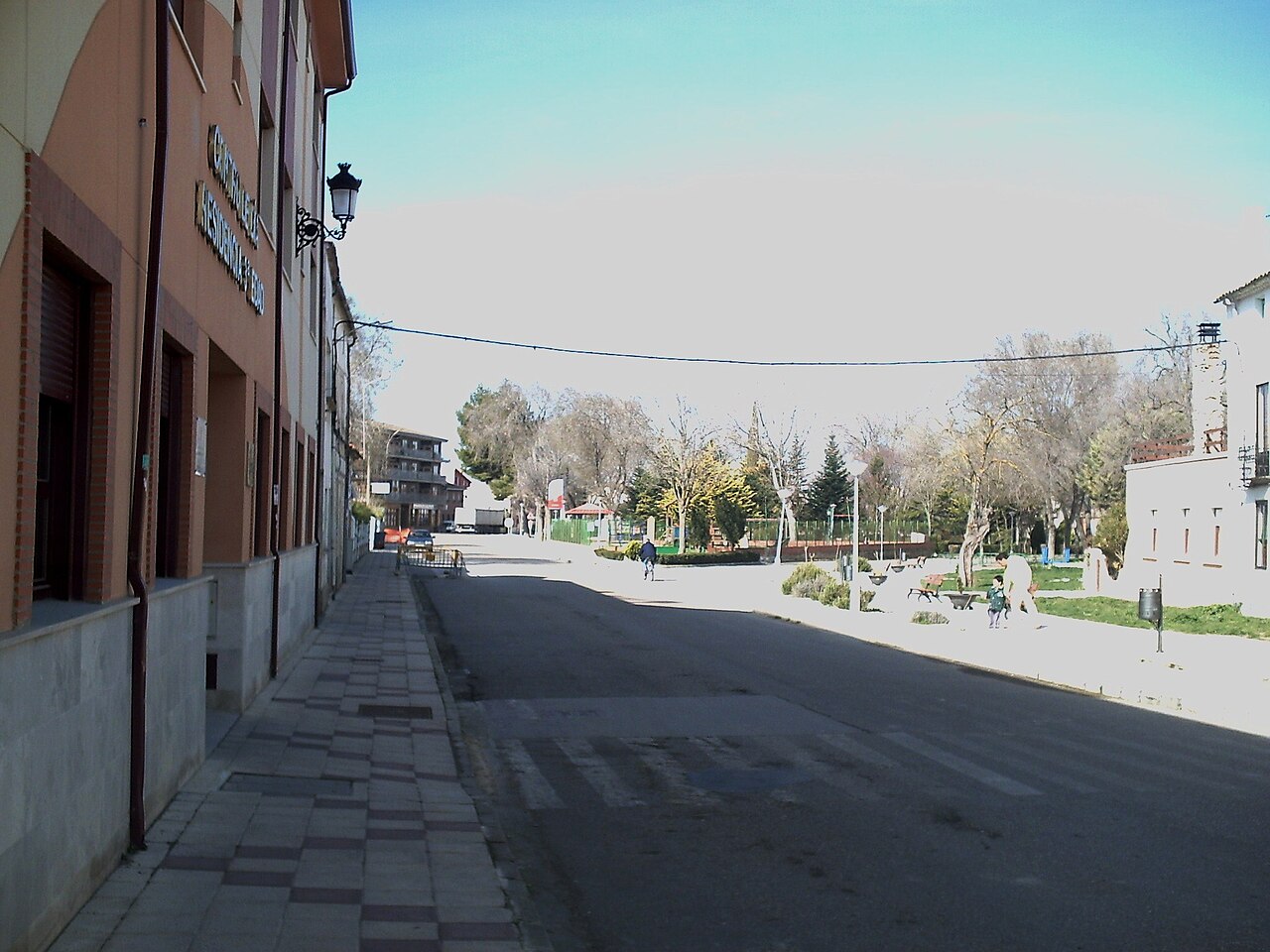
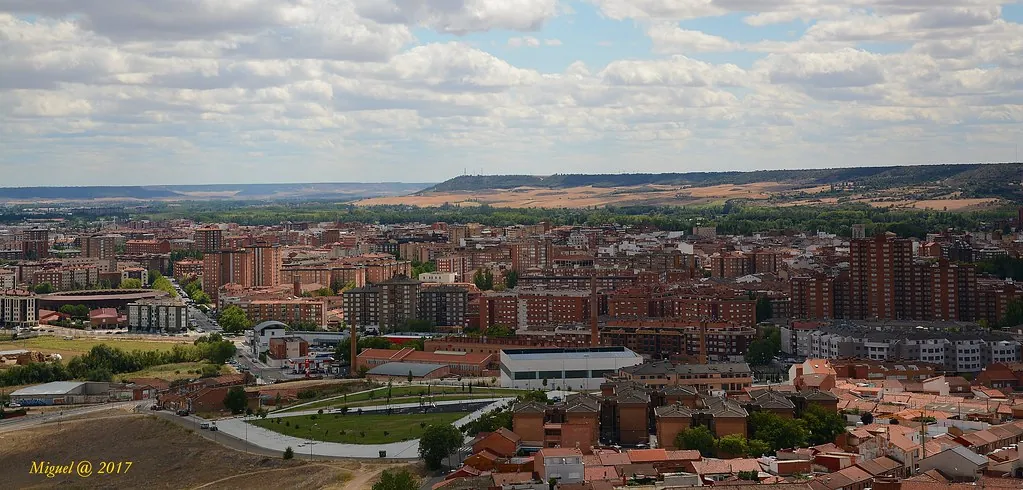
Vista aérea de Soto de Cerrato
Instituto Geográfico Nacional · CC-BY 4.0 scne.es
Castilla y León · Cradle of Kingdoms

Soto de Cerrato

The wheat fields start just beyond the last house. They roll outward in every direction, a golden ocean that makes Soto de Cerrato feel less like a...

166 inhabitants · INE 2025
720m Altitude

Why Visit

Church of the Asunción River walks

Best Time to Visit

summer

Our Lady of the Assumption (August) agosto

Things to See & Do
in Soto de Cerrato

Heritage

  • Church of the Asunción
  • Pisuerga riverbank

Activities

  • River walks
  • Cycling
  • Winery visits

Festivals
& & Traditions

Fecha agosto

Nuestra Señora de la Asunción (agosto), San Antonio (junio)

Las fiestas locales son el momento perfecto para vivir la autenticidad de Soto de Cerrato.

Full Article
about Soto de Cerrato

A town on the Pisuerga plain, noted for its church and its closeness to Venta de Baños and Palencia.

Ocultar artículo Leer artículo completo

The wheat fields start just beyond the last house. They roll outward in every direction, a golden ocean that makes Soto de Cerrato feel less like a village and more like a ship anchored to Spain's northern plateau. At 720 metres above sea level, this Castilian outpost offers something increasingly rare: silence you can actually hear, broken only by the wind moving through grain and the occasional tractor grinding up the access road from Palencia.

The Arithmetic of Smallness

One hundred and ninety souls. That's the official count, though on a Tuesday afternoon in March it feels generous. The maths works like this: three streets, one church, two bars (though calling them bars stretches the definition—they're more like someone's front room with beer taps). The village stretches barely half a kilometre from end to end, small enough that the elderly woman sweeping her threshold can track your progress from the church plaza to the wheat fields without lifting her head.

This is El Cerrato, a comarca that most Spaniards couldn't place on a map. The region's name derives from the Latin cerratus, meaning enclosed land, though enclosure here feels relative. The landscape opens wider than seems possible, vast clay valleys that make the Pyrenees feel like a rumour. Palencia lies 35 kilometres south—close enough for groceries, far enough that delivery drivers charge extra.

The altitude changes everything. Summer mornings start cool even in July, when Madrid swelters. By midday the temperature can swing twenty degrees, the dry air sucking moisture from skin faster than you can replace it. Winter brings the opposite problem: the cold here has edges. When the wind sweeps down from the Cantabrian Mountains, 40 kilometres north, it carries ice that settles in bones rather than soil.

Adobe, Brick and Underground Wine

The church of San Juan Bautista squats at the village's highest point, its stone walls thick enough to swallow sound. Built in the 16th century, modified in the 18th, left largely alone since, it represents the architectural equivalent of sensible shoes—functional, unadorned, built to last. The bell tower serves double duty as village timepiece and weather station. When clouds obscure the cross at its summit, locals know to bring washing indoors.

Below, the houses tell their own story. Adobe walls three feet thick keep interiors cool in summer, warm in winter. Timber beams blackened by centuries of hearth smoke support terracotta tiles that rattle in high winds. Many properties include bodegas subterráneas—underground cellars dug into hillsides, their entrances marked by rough wooden doors that lean like tired drunks. These excavations, some dating to the 17th century, once stored wine made from grapes grown on south-facing slopes. Most stand empty now, their owners having migrated to Valladolid or Bilbao, leaving behind stone-lined caves that maintain 14 degrees year-round.

Walking the streets takes twenty minutes if you dawdle. The village follows a simple logic: houses face south for maximum sun, backs turned north to block wind. Streets run parallel to prevailing breezes, creating natural ventilation that architects in London would pay fortunes to replicate. Every third building seems abandoned, their wooden balconies sagging, ironwork rusting into abstract sculpture. Yet abandonment here feels temporary rather than terminal—someone's cousin's cousin might return, might restore, might spend August holidays watering geraniums.

Eating What the Land Permits

Food arrives on Tuesday and Friday mornings via a white van that doubles as mobile shop. The driver, Jesús, has serviced these routes for eighteen years. He knows who takes semi-skimmed milk, who's lactose intolerant, which grandmother secretly prefers custard creams to traditional mantecados. His arrival generates more activity than the weekly market in Palencia.

For proper meals, you cook or you drive. The nearest restaurant worthy of the name sits twelve kilometres away in Baltanás, a roadside place specialising in cordero asado—roast lamb that arrives at table still sizzling, its skin crackled into pork-like rind despite mutton origins. They serve it with patatas pardas, brown potatoes roasted in lamb fat until they develop a crust that shatters between teeth. A half-portion feeds two; locals order full portions and take leftovers home for tomorrow's breakfast.

Wine comes from DO Arlanza, a designation barely twenty years old that's trying to shake off Ribera del Duero's long shadow. The tintas here taste of altitude—brighter acidity than valley wines, tannins that grip like mountain paths. Bodega Ismael Arroyo in neighbouring Sotillo de la Ribera offers tastings by appointment. Their 2018 crianza costs €14 and punches well above its weight, though you'll need to like your reds masculine and unapologetic.

Walking Through Geological Time

The best walking starts where asphalt ends. A farm track heads northeast toward Villahán, following a ridge that offers views stretching fifty kilometres on clear days. The path cuts through wheat that's genetically closer to ancient spelt than modern varieties—short stalks that sway rather than bend, heads heavy with grain that local farmers still thresh using methods their grandfathers would recognise.

Spring transforms these fields into something approaching colour saturation. Poppies puncture green wheat with scarlet exclamation points. Wild asparagus pushes through terrace walls, free for anyone who recognises the fronds. Bee-eaters arrive from Africa in April, their rainbow plumage flashing against monochrome earth. The birds know something humans forget: this landscape, though shaped by millennia of agriculture, remains wild at its core.

October brings the grain harvest, when combine harvesters work through night to beat weather systems. The air fills with dust that settles on everything like golden snow. Locals seal windows with damp towels, complain about machinery noise, then gather in bars to discuss yields over cañas of beer that cost €1.20. These conversations matter—wheat prices determine whether teenagers leave for university or stay to drive tractors, whether houses get restored or continue their slow collapse.

When to Come, When to Stay Away

April and May offer the sweet spot: temperatures hover around 18 degrees, wildflowers compete for attention, village bars reopen after winter hibernation. September works too, when harvest dust settles and the landscape takes on amber tones that photographers pay premium rates to capture elsewhere.

July and August test endurance. The sun at this altitude feels closer, more personal. Shade becomes currency; locals plan days around its movement. Afternoons between two and five belong to siesta—not tradition but survival strategy. Even dogs seek north-facing walls, pressing bellies against cool adobe.

Winter arrives suddenly, usually overnight in late October. The first frost kills geraniums still blooming in concrete planters. Heating depends on olive wood burned in estufas—simple iron stoves that require constant feeding. Most visitors leave. Those who stay discover a different village: quieter, yes, but also more intimate. When snow falls (rare but not unknown), the wheat fields become blank canvases where rabbit tracks write temporary stories.

Getting here requires commitment. No trains stop nearer than Palencia. Buses run twice daily except Sundays, when service reduces to once. Hiring a car from Valladolid airport (95 kilometres) provides flexibility, though GPS occasionally suggests routes that dissolve into farm tracks. The final approach involves navigating roads where wheat grows right to tarmac edges, creating tunnels that close behind vehicles like healing wounds.

Accommodation means staying in Palencia or gambling on rural houses that may or may not answer emails. Casa Rural La Hileras in nearby Barruelo de Santullán offers three rooms from €60 nightly, including breakfast featuring eggs from chickens you can watch while eating them. Book directly—online platforms add 15% commission that owners simply pass on as higher prices.

Come prepared. Bring walking boots for muddy paths, sunscreen for exposed skin, water for trails that offer no facilities. Most importantly, bring time—the commodity locals possess in abundance and visitors rarely budget properly. Soto de Cerrato doesn't reveal itself during rushed afternoon visits. It yields secrets slowly: the way afternoon light turns wheat fields metallic, how church bells mark not just hours but seasons, why 190 people choose isolation over urban convenience.

This isn't a village that entertains. It expects you to entertain yourself, to find fascination in wheat's rustle, satisfaction in simple food, contentment in conversations that meander like country roads. Some visitors leave after an hour, claiming there's nothing to see. Others stay for days, discovering that sometimes nothing much is exactly what's needed.

Key Facts

Region
Castilla y León
District
El Cerrato
INE Code
34177
Coast
No
Mountain
No
Season
summer

Livability & Services

Key data for living or remote work

2024
Connectivity5G available
TransportTrain nearby
HealthcareHospital 8 km away
EducationElementary school
Housing~6€/m² rent · Affordable
CoastBeach nearby
Sources: INE, CNMC, Ministry of Health, AEMET

Planning Your Visit?

Discover more villages in the El Cerrato.

View full region →

More villages in El Cerrato

Traveler Reviews