Full Article
about Tariego de Cerrato
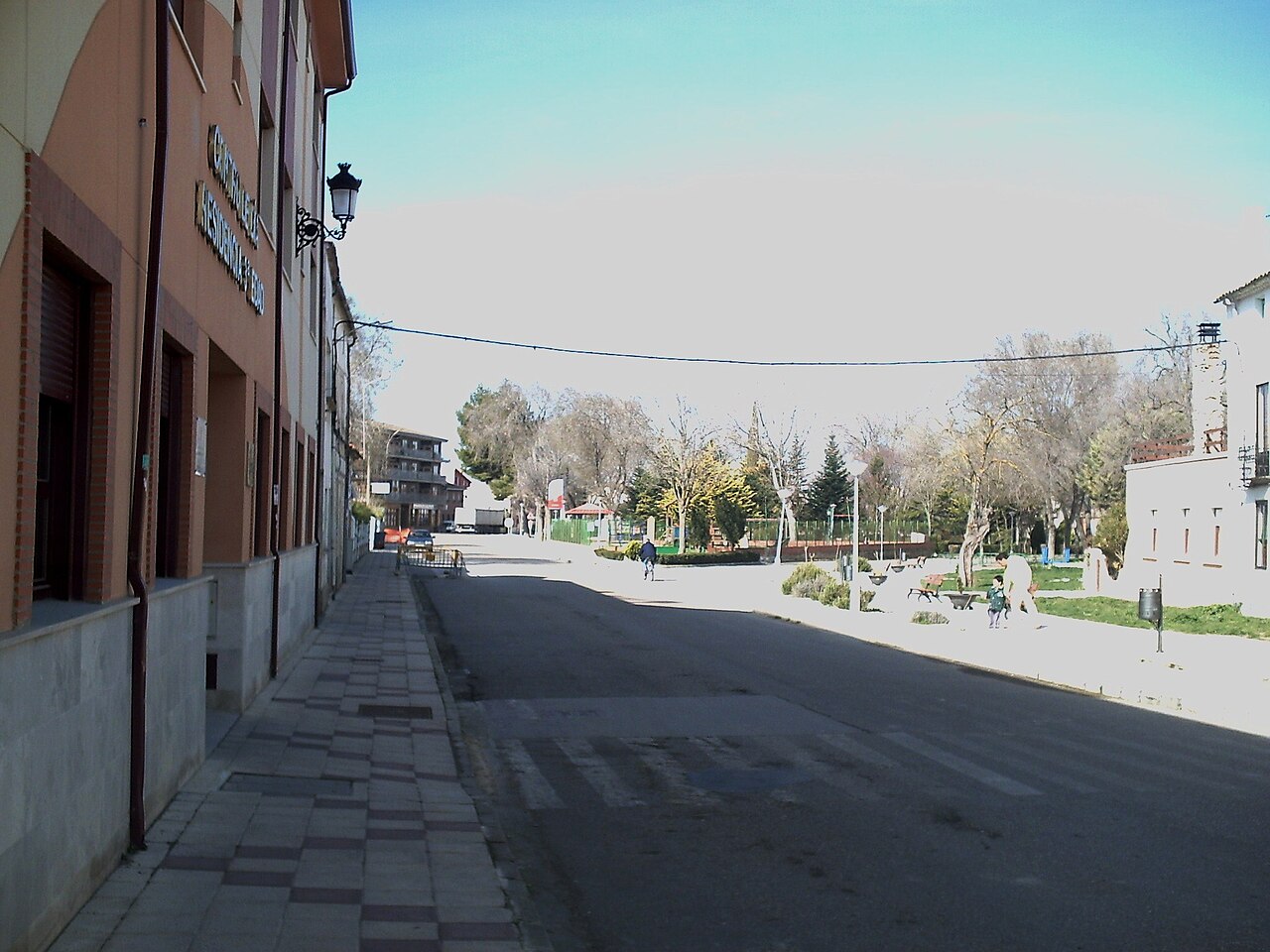
At the entrance to Cerrato; known for its cave inn and the views from the lookout; bridge over the Pisuerga.
Hide article Read full article
Tariego de Cerrato and the shape of the land
Tariego de Cerrato sits at roughly 740 metres on the high plains of the Cerrato. Its position is defined by the surrounding geography. The village looks out over a landscape of cereal fields that change with the seasons, from the intense green of spring to the dry gold of late summer.
Around five hundred people live here. The streets often have farm machinery parked alongside houses, a direct reflection of its agricultural character. The name Tariego is commonly linked to the taray, a shrub found in damp areas across Castile. Like other villages in this region, its layout adapted to the gentle, rolling terrain rather than altering it.
The parish church and domestic architecture
The parish church of Santa María anchors the village. Its construction began in the 16th century, with significant modifications made in the 18th. The interior shows this layering of periods, which is typical for rural churches in the area. Its presence is more functional than monumental.
Around the main square, older houses display the traditional materials of the Cerrato: adobe, brick and stone. Many have been restored, preserving features like large wooden gates and enclosed yards. These yards were once integral to daily life, spaces where work and home overlapped. On the outskirts, several traditional dovecotes still stand. They are reminders of a time when pigeons were raised for meat and their manure was used as fertiliser.
Paths into the Cerrato
A network of rural tracks leads out from Tariego. They follow old routes that connected fields and neighbouring villages like Villaherreros or La Población. Walking them provides a clear sense of this landscape’s scale. It is a terrain of soft hills and open skies, without dense forests or dramatic peaks.
The river Pisuerga flows nearby, its valley supporting more vegetation than the plateau. This draws wildlife; it is not unusual to see birds of prey circling between the valley slopes and the open fields. Patient observers might spot bustards in the cultivated land, especially in the early hours.
Local rhythms and produce
These paths are used daily by locals to reach their fields. They are practical for walking or cycling, with little technical difficulty. The broader view remains constant, but the details shift: an isolated dovecote, a patch of holm oaks, a dip in the land.
The local cuisine follows Castilian traditions. You will find roast lamb, pulses, sheep’s milk cheeses and bread from traditional ovens. Many products still come from small-scale producers or are shared among neighbours.
Tariego can serve as a base for visiting other villages in the Cerrato. They are often short drives apart, each with its own quiet plaza and an old church, sharing a similar feel and history.
Community and seasonal change
The main festivals are held in August, a time when many former residents return. The celebrations mix religious processions with communal meals and gatherings in the square. The calendar also includes pilgrimages to nearby hermitages, though these often take place in neighbouring villages. Dates can vary, so it is worth confirming locally.
The seasons dictate the pace and colour of life here. Spring is green and mild for walking. Summer is dry and bright with harvest activity. Autumn slows the rhythm, bringing ochre tones to the hills. Winter is cold and quiet, offering a more subdued perspective on this part of Castile.