Full Article
about Venta de Baños
Major rail and industrial hub; home to the Visigothic gem of San Juan de Baños
Ocultar artículo Leer artículo completo
The 07:30 Plymouth–Santander ferry is still four hours from docking when the A-62 quietly spits you out at exit 132. Suddenly the cereal plains of Palencia tilt upwards and the thermometer drops three degrees: you’re 720 m above sea level on Spain’s northern plateau, and Venta de Baños is the last place with a 24-hour petrol station before the port. Most Britons who sleep here never meant to stay; they simply ran out of motorway. The surprise is that the town keeps a seventh-century church older than anything you’ll tick off in Santiago or Salamanca, and it opens its doors for €2 in loose change.
Stones older than the Camino
San Juan de Baños sits a kilometre south of the railway line, beyond the industrial estate and the wheat silos. A small brown sign points the way, then the road simply stops at a gravel patch shaded by poplars. What you find is a perfect Greek-cross basilica built in AD 661 for the Visigoth king Recesvinto: horseshoe arches, crude stone lattice windows, and a Latin inscription over the chancel that still names its royal architect. Inside, the air smells of damp limestone and extinguished candles; outside, the only sound is lark song and the occasional Madrid-bound freight train. Entry is free on Wednesdays; every other day the custodian pockets your coins and returns to her knitting. She locks up for lunch at 13:30 sharp—miss that window and you’ll join the small crowd of contrite Germans photographing the locked gate.
Back in the modern grid, the parish church of San Pedro is a quieter affair: a 1950s rebuild wrapped round a 15th-century tower, with a retablo that survived the Civil War by the thickness of a plaster overlay. It takes ten minutes, longer if the sacristan insists on switching on lights to show you a Flemish panel he swears is “muy antiguo”. Whether you linger depends on your tolerance for small-town pride and the scent of floor polish.
A town that grew up with the railway
Venta de Baños owes its size—6,300 souls, twice the average here—to the iron tracks that arrived in 1860. The station still handles six daily regional trains to Valladolid (35 min, €7.20) and one lumbering service to Santander that deposits foot-passengers at 22:14, just too late for the overnight ferry. The old engine shed is now a modest railway museum where retired signalmen volunteer on Sundays, delighted to explain in rapid Castilian how steam locomotives watered at the column outside. Admission is free; donations buy coffee. Walk the platform at dusk and you’ll see the wheat fields glow amber while the cargo express to Portugal thunders through without stopping—an oddly comforting reminder that this place is junction first, destination second.
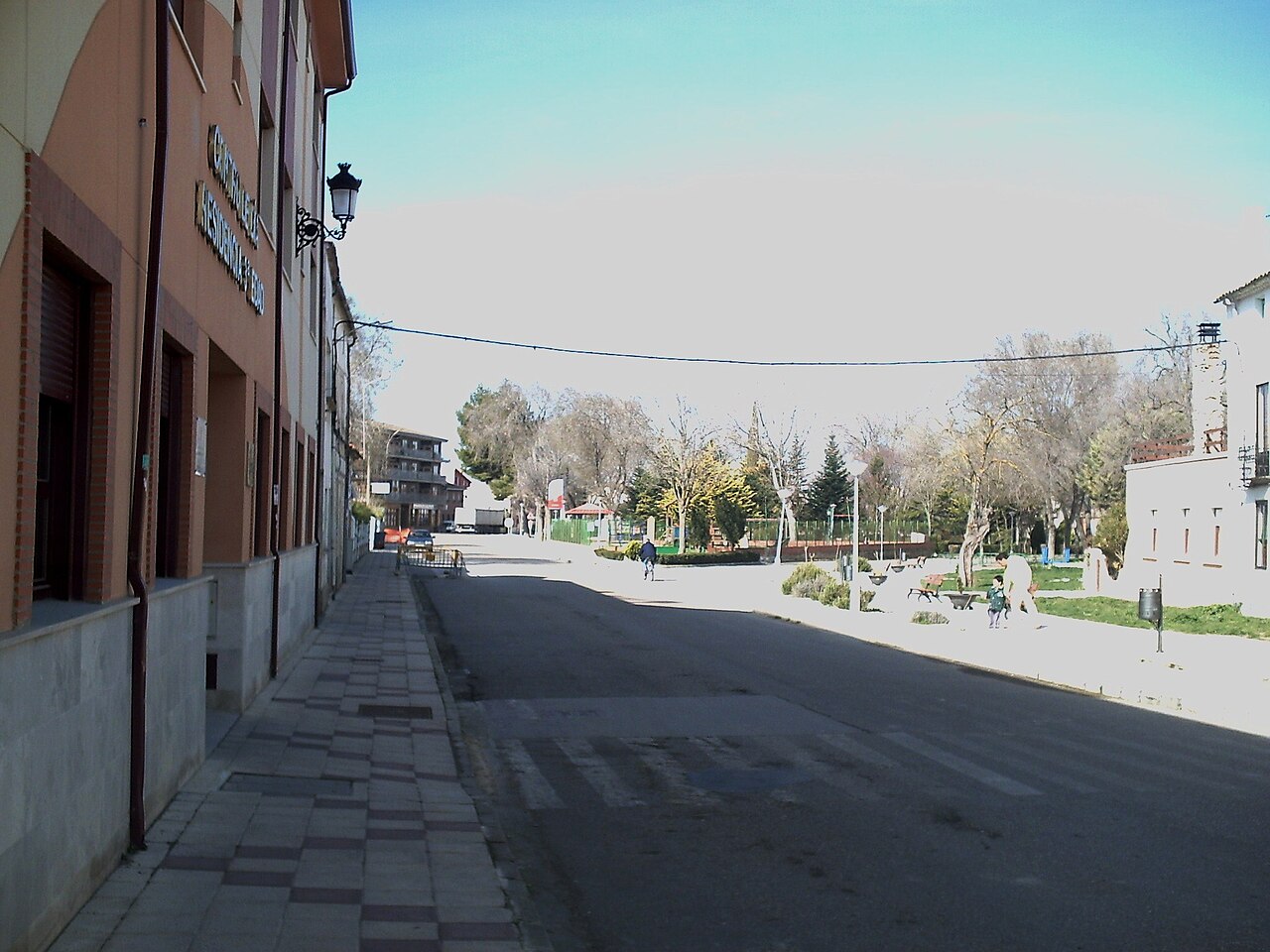
There is no medieval quarter to meander, just straight streets of ochre brick and 1970s brickwork. The wind picks up after Easter and doesn’t drop until May; in August the asphalt shimmers at 30°C and shade is scarce. The upside is parking: even on market Saturday you’ll find a space within 100m of your hotel, something the Costa towns lost decades ago.
Lamb, lentils and the menu del día circuit
Castilla’s cooking is built for cold weather and manual labour. At midday the bars along Calle Mayor fill with lorry drivers and a handful of Britons who’ve read the same ferry-tip forum thread. The set-up rarely changes: a €12 three-course menú del día that starts with lentil soup thickened with chorizo, followed by cordero lechal—milk-fed lamb roasted until the skin crackles like pork. Ask for it poco hecho if pink juices don’t offend you; the default is well-done. Vegetarians can usually negotiate scrambled local asparagus (esparragos de Tierra de Campos), though the chef will eye you with curiosity. House wine comes from Ribera del Duero, fruitier than Rioja and easier on palates raised on Chilean merlot; a quarter-litre carcaf costs €2 and is socially acceptable at lunch.
If you need toast and marmalade at seven in the morning, Hotel La Basílica is the only outfit that obliges. Otherwise expect coffee, churros on Sunday, and silence until at least 09:00.
Plains, poplars and the illusion of flat
The tourist office (open-ish, Tuesday to Thursday) will sketch you a 7km circuit east to the hamlet of Baños de Cerrato, past subterranean wine cellars dug into loess banks. The path follows an irrigation ditch lined with poplars; in May the undergrowth flashes green and you might spot a hoopoe bobbing along the bank. Winter is a different proposition: the same ditch turns into a knife of cold wind that barrels across the plateau and straight through your coat. There are no dramatic peaks, just the endless geometry of wheat and the occasional palomar—a cylindrical dovecote built of mud brick, half ruined, half photogenic.
Serious walkers treat Venta de Baños as a logistical base for the Cerrato ridge 15km south, where limestone outcrops give 200m of relief and griffon vultures ride the thermals. You’ll need a car or a pre-booked taxi; public transport stops at the town boundary.
Bed-down and fill-up logistics
Accommodation divides into two brackets: functional road-side hotels aimed at ferry traffic, and village pensions used by commercial reps. The three-star Hotel Coto Real by the roundabout has sound-proofed windows, truck-sized parking bays, and rooms for €55 including garage. Hostal El Pilar, opposite the station, is half the price and perfectly clean, though you’ll hear the 06:42 freight departure. Book ahead only in August and the week before Christmas, when Spanish families travel to the coast and rooms fill with oversized luggage and nervous dogs.
For fuel, the Repsol south of the motorway never closes; the cheaper self-service on the industrial estate does, but takes UK cards without the 50-euro pre-authorisation hassle you get on the coast. There’s a 24-hour Lidl behind the train tracks if you need Yorkie bars and semi-skimmed milk for the ferry.
Last orders
By 22:30 the town is asleep except for the bar de copas beside the town hall, where the barman will pour you a corto (small beer) and switch on the television for the evening news. Outside, the streetlights hum and the air smells of dry earth and diesel. You could be anywhere on the Castilian plateau, yet 100km to the north the Cantabrian Sea is already moving the ferry against its ropes. Stay the night, see the church, fill the tank, and leave before the wind starts. Venta de Baños will never make a postcard, but for fifteen centuries it has been doing exactly what a staging post should do: give you a bed, a meal, and a story older than any castle further down the road.