Full Article
about Villaconancio
Known for its church with two unique Romanesque apses; set in the Maderano stream valley in El Cerrato.
Ocultar artículo Leer artículo completo
The church bell strikes noon, but nobody's counting. In Villaconancio, time moves with the seasons rather than the clock, and at 810 metres above sea level, the wind carries more stories than the villagers ever will. This handful of stone houses on the El Cerrato plateau doesn't do grandeur—it does authenticity, and it does it without apology.
The Plateau's Unvarnished Truth
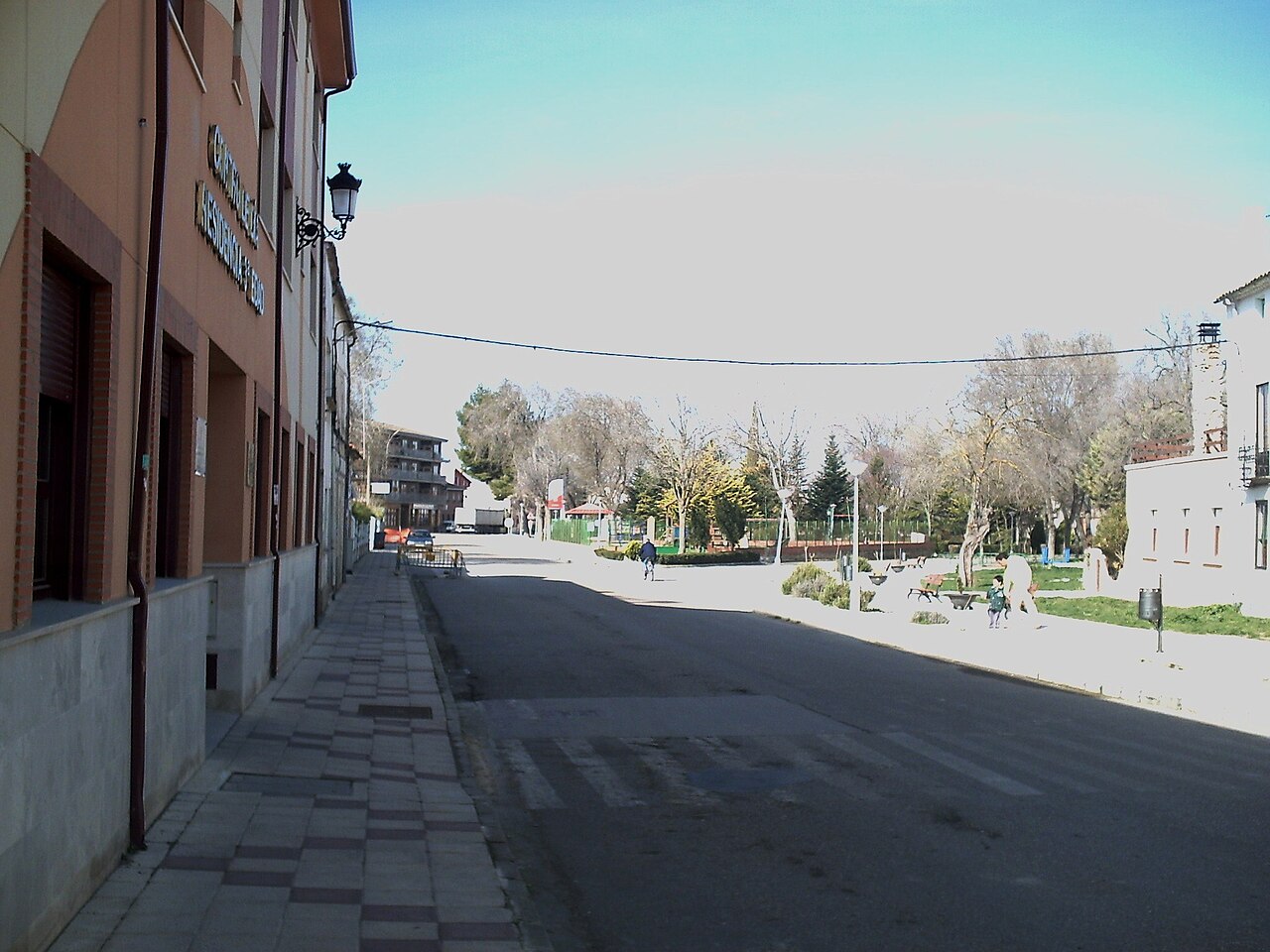
Castilla y León's interior rarely features on British itineraries, and Villaconancio shows why. Less than fifty residents remain, their houses built from the same limestone that forms the rolling plains stretching to every horizon. Adobe walls thicken each winter as owners patch cracks with fresh mud, a cycle repeated for centuries. There's no medieval quarter to explore, no castle ruins to photograph—just cereal fields that shift from emerald to gold to brown, and a silence so complete it rings in your ears.
The village sits forty minutes south of Palencia by car, along the CL-613 and then smaller roads that narrow until meeting the N-620. Public transport? Forget it. Without wheels, you're stranded. Even with them, the approach feels like driving backwards through Spain's development—villages shrink, mobile signal weakens, and suddenly Villaconancio appears around a bend, exactly as advertised. No surprises, no disappointments.
Architecture here serves function, not beauty. The parish church squats at the village centre, its stone walls bearing scars from decades of freezing winters and scorching summers. Walk around it rather than inside—the real story lies in the additions and repairs, each generation leaving their mark without consulting architects or planners. Nearby houses show similar pragmatism: wooden beams blackened by centuries of hearth smoke, underground wine cellars carved into hillsides, animal pens that still shelter the occasional goat rather than posing for rustic photographs.
Walking Into Nothing, Finding Everything
The serious business of Villaconancio begins where the tarmac ends. Agricultural tracks spider across the plateau, connecting scattered farmsteads and neighbouring hamlets. These aren't signposted hiking routes with colour-coded waymarks—they're working paths used by farmers checking crops and shepherds moving livestock. Walk them anyway.
Morning walks reveal the plateau's subtle drama. Skylarks ascend vertically, their songs the only sound beyond your footsteps. Short-toed eagles patrol the fields, while quail burst from wheat stubble with heart-stopping suddenness. The landscape appears flat until you notice gradual inclines that leave calves burning after kilometres of gentle ascent. Winter brings biting winds that sweep unchecked across the exposed plateau; summer delivers harsh sun and temperatures touching forty degrees. Spring and autumn provide the sweet spot—mild days, clear skies, and that particular quality of light that makes photographers miss deadlines.
Cyclists find their paradise here too, though it comes with caveats. Secondary roads see perhaps a dozen vehicles daily, making them perfect for road bikes or gravel grinders. The terrain deceives—what looks flat actually rolls constantly, with short climbs that accumulate into serious elevation. Bring compact gearing and prepare for wind that can transform gentle gradients into leg-breaking challenges. The reward? Miles of empty tarmac through landscapes unchanged since your grandfather's generation.
The Food Question (Spoiler: There Isn't Any)
Here's where guidebooks usually lie by omission. Villaconancio has no bars, no restaurants, no shops. Nothing. Nada. The village's last commercial enterprise closed years ago, victim of demographics that see elderly residents outnumbering children by margins that make business plans suicidal.
This matters. British visitors accustomed to village pubs and tea rooms need recalibrating. Come prepared or plan to drive. The nearest proper shopping lies in Baltanás, twelve kilometres east, where small supermarkets stock basics and a couple of bars serve regional specialities. Try the local morcilla—blood sausage spiked with rice and onions—or hearty stews made with judiones, giant white beans that taste of the earth itself. The area's matanza tradition means excellent cured meats: try chichurro, pork loin cured with paprika and garlic, best enjoyed with rough country bread and local red wine.
Bring supplies for evening meals if you're staying overnight. The village's handful of holiday rentals come equipped with kitchens for good reason. Stock up in Palencia before arriving—better selection, better prices, and zero chance of finding ingredients locally after 5pm when regional Spain shuts down.
When Darkness Falls
Night transforms Villaconancio completely. Without street lighting or light pollution, darkness arrives absolute and immediate. On clear nights, the Milky Way arches overhead with shocking clarity—city dwellers often gasp at their first sight of proper darkness. The plateau's elevation means cold nights even in summer; pack layers regardless of season.
Winter visits demand respect. Snow falls occasionally, blocking access roads for days. Temperatures drop below freezing from October through March; heated accommodation becomes essential rather than desirable. Spring brings howling winds that sandblast exposed skin and test even quality rain gear. Summer delivers the opposite extreme—shade becomes precious, water consumption critical, and midday activity inadvisable.
Autumn perhaps offers the best compromise. Harvest activity provides interest without crowds, temperatures moderate, and clear days reveal views stretching fifty miles across the plateau. Morning mists fill valleys between rolling hills, creating photographic opportunities that reward early rising. Just don't expect autumn colour—the plateau's sparse vegetation turns brown rather than gold.
The Honest Verdict
Villaconancio won't suit everyone. It offers no attractions in the conventional sense, no infrastructure for mass tourism, no Instagram moments beyond authentic rural decay. Mobile signal remains patchy, WiFi sporadic when available at all. Entertainment means entertaining yourself.
Yet for travellers seeking Spain stripped of flamenco shows and sangria specials, the village delivers something increasingly rare: complete authenticity without performance. The plateau's harsh beauty grows on you slowly, revealing subtle variations in landscape and light that reward patient observation. Local residents, though few, welcome respectful visitors without the weary cynicism found in over-touristed destinations.
Come with realistic expectations and proper preparation. Bring walking boots, weather-appropriate clothing, supplies, and crucially, bring time—the one commodity Villaconancio offers in abundance. Stay two nights minimum; anything less misses the point entirely. The village doesn't reveal its secrets to day-trippers racing through checklists. It rewards those willing to sit quietly, watch the light change, and listen to silence that speaks volumes about rural Spain's past, present, and probable future.