Full Article
about Villahan
A Cerrato town with an interesting church; known for its wine cellars and local wine production.
Ocultar artículo Leer artículo completo
The church bell strikes noon and the village mechanic downs tools exactly on cue. This isn't theatrical timing for visitors' benefit—it's simply how Villahan has functioned for decades, when your day's rhythm depends on heat, harvests, and whether the bar owner fancies a siesta.
At 800 metres above sea level, Villahan sits high enough for the air to carry a sharp edge, even in late May. The surrounding plateau, El Cerrato, rolls away in wheat-coloured waves that shift from green to gold with unnerving speed. British visitors expecting the soft folds of the Cotswolds will find something harsher here: a landscape shaped by wind, extremes of temperature, and farmers who measure distance by how long it takes a tractor to cross a field.
The Arithmetic of Small Numbers
Ninety residents. One combined shop-bar. A church that unlocks only for Saturday evening mass and Sunday morning services. Villahan's statistics read like a maths problem from a fading textbook, yet the village refuses the usual narrative of decline. Houses are occupied, even if some owners live in Palencia during the week and return to tend vegetable plots at weekends. The primary school closed in 2008, but children still appear at bus stops each dawn, bound for larger neighbouring villages.
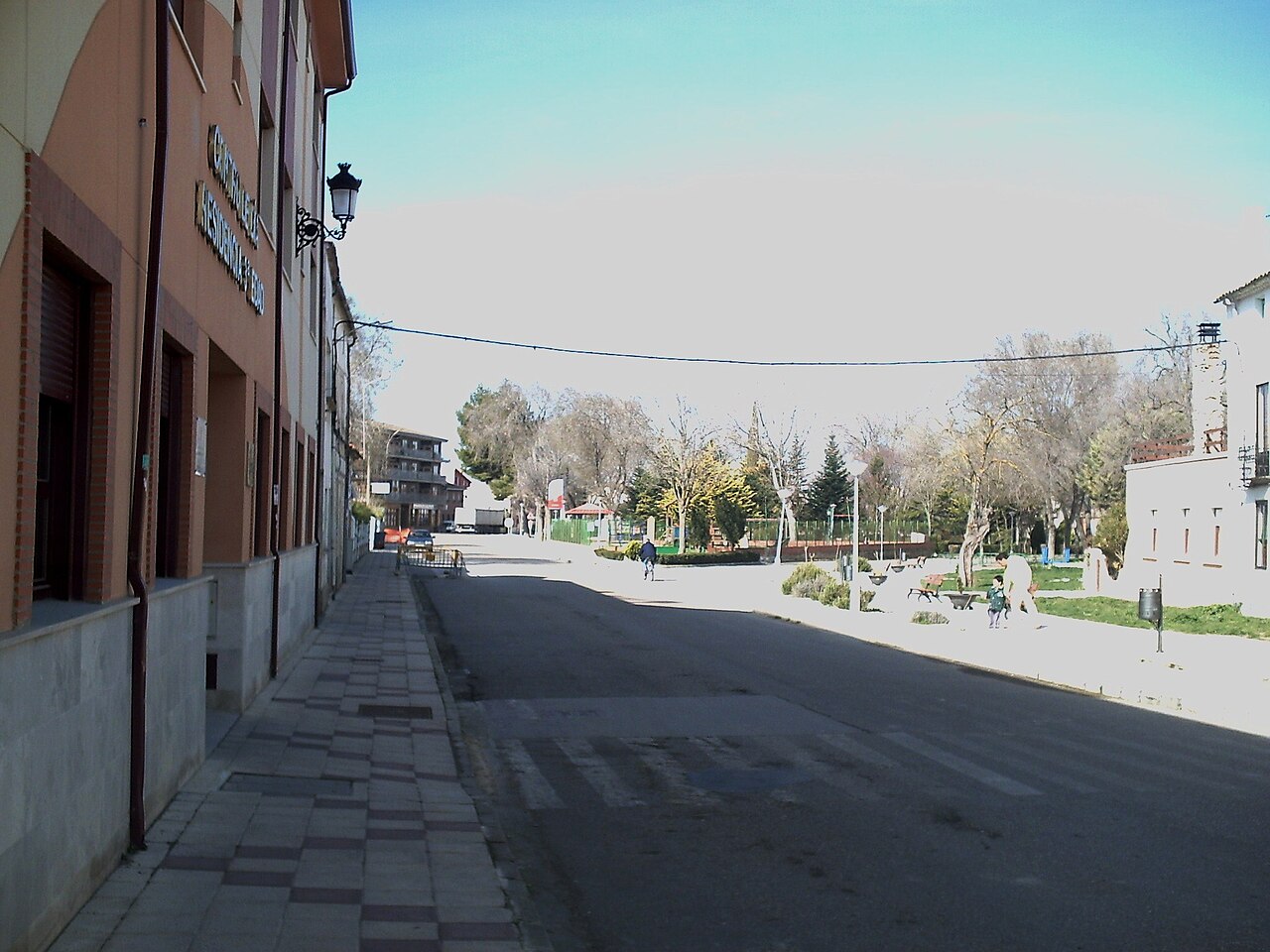
Walking the grid of four streets takes precisely twelve minutes at dawdling pace. Stone and adobe walls, thick enough to swallow mobile phone signal, line narrow lanes where shadows pool even at midday. Many front doors stand ajar—less an invitation than indifference to the concept of passing strangers. The architectural mix surprises: medieval stone bases capped with twentieth-century brick, traditional Arabic tiles butting up against corrugated iron. Nothing's been restored to death; equally, nothing's been deliberately rusticated for effect.
What Grows Between the Stones
The real attraction lies outside the village perimeter. A five-minute walk south along the unpaved road towards Palomares de Cerrato brings you to the first of the area's distinctive pigeon houses. Circular, stone-built, and tapering slightly towards capped roofs, these structures once provided both fertilizer and meat. Most stand on private land, visible but inaccessible, like medieval follies designed specifically to frustrate photographers.
Continue another kilometre and the agricultural terraces reveal their secret: caves carved into soft limestone, former wine cellars and grain stores. Many entrances have collapsed; others remain locked behind rusting gates. The temperature drops sharply as you approach these openings—natural refrigeration that once preserved harvests through Castile's ferocious summers. Today they serve as winter shelter for sheep and, occasionally, local teenagers seeking privacy the village can't provide.
Spring brings the most comfortable walking conditions. Temperatures hover around 18°C, wild asparagus appears along field edges, and the notorious meseta wind loses its winter bite. Summer hikes demand early starts: by 11am the mercury can touch 32°C, with precious little shade between village and horizon. Autumn colours arrive late—October rather than September—but compensate with clear air that makes the 30-kilometre view towards the Montaña Palentina feel close enough to touch.
The Gastronomy of Making Do
Food here operates on strict seasonal logic. Winter means cordero lechal—milk-fed lamb roasted in wood-fired ovens until the skin crackles like parchment. Spring brings tender chickpeas, stewed with bay leaves and whatever cured pork remains from last year's matanza. Summer offers respite in the form of gazpacho thicker than Andalusian versions, bulked out with village bread that's hardened to stone within 24 hours of baking.
The catch: Villahan contains no restaurants, no cafés, and certainly no gastropubs. The combined shop-bar opens sporadically—mornings only, except when it doesn't. Smart visitors arrive stocked with supplies from Palencia's supermarkets, 35 minutes' drive away. The village does host one annual food event: the September matanza, when a single pig becomes everything from chorizo to blood pudding over three intensive days. Tourists aren't turned away, but neither are they catered for; turn up expecting demonstrations and you'll find yourself handed a knife and put to work.
Night Skies and Daytime Practicalities
Light pollution hasn't reached Villahan. On moonless nights the Milky Way appears with embarrassing clarity—so many stars that constellation-spotting becomes challenging. The village's single streetlamp switches off at midnight, leaving darkness absolute. Bring layers: even August nights can drop to 12°C, and the wind that moderates daytime heat becomes frankly vindictive after dark.
Access requires realistic expectations. The CV-231 from Palencia is paved but narrow; meeting a combine harvester forces creative reversing across wheat stubble. Public transport consists of one school bus each morning—returning empty—and nothing on weekends. Car hire from Valladolid airport (90 minutes) proves essential unless you're prepared for expensive taxis or lengthy hitchhiking attempts.
Winter visits demand particular commitment. Snow arrives sporadically but lingers when it does; the road from Palencia becomes treacherous with black ice. Many houses stand empty from November to March, their owners having migrated to city flats. The bar closes entirely between Christmas and Easter. Come prepared for self-sufficiency, or better yet, don't come at all until March brings the first tentative warmth.
The Unvarnished Equation
Villahan offers no souvenirs beyond what you collect in photographs or memory. There's no craft shop, no guided tours, no interpretive centre explaining local geology. What exists instead is a village continuing its slow negotiation with modernity, accepting just enough to survive while rejecting enough to remain itself. The twenty-first century arrives via satellite dishes and mobile banking, but the twentieth still controls the harvest, the church clock, and the social calendar.
Visit if you want to understand how rural Spain functions when tourism hasn't rewritten the script. Stay away if you need constant stimulation, varied dining options, or reliable Wi-Fi. Villahan doesn't cater to visitors—it merely tolerates them, provided they recognise that the village's primary purpose remains growing wheat, raising sheep, and maintaining a way of life that predates package holidays by several centuries.
The mechanic returns from lunch at 3pm precisely. The bar owner emerges to sweep dust from her threshold. Somewhere a tractor starts with mechanical certainty. Villahan continues, with or without your presence, and that might be its most honest attraction of all.