Full Article
about Villalaco
Set beside the Pisuerga River; noted for its bridge and church; pleasant riverside setting for a walk.
Ocultar artículo Leer artículo completo
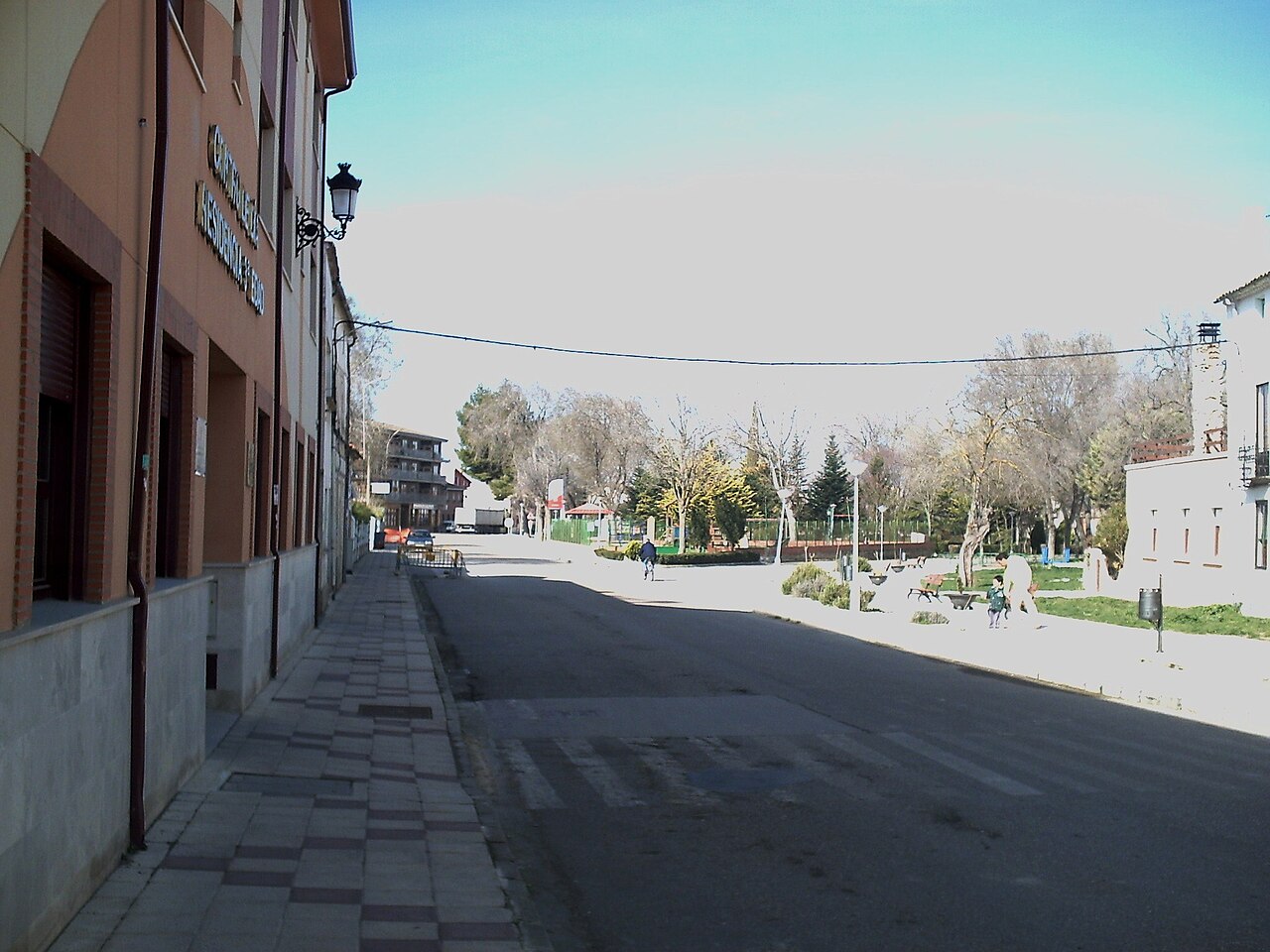
The grain silos appear first, rising like concrete sentinels above the wheat plains. Then comes the church tower, barely taller than the surrounding houses, followed by the adobe walls that have absorbed sixty summers and winters at 760 metres above sea level. Villalaco doesn't announce itself with fanfare—it simply materialises from the Castilian steppe, a village where the population sign reads 60 on optimistic days and the nearest traffic light sits 35 kilometres away in Palencia.
The Architecture of Survival
Adobe isn't fashionable. The earthen bricks—mixed with straw and sun-dried—crack in summer frost heave in winter, demanding annual repairs that younger generations have largely abandoned. Yet here they remain, these sand-coloured walls holding memories of when Villalaco supported 300 souls and three generations shared single-doorway homes. The technique arrived with Moorish builders a millennium ago, though you'd never guess from the plain façades that face onto lanes barely wide enough for a tractor.
Walk the single main street at 2pm in July and you'll understand why builders dug downwards. Bodegas—underground wine cellars—lurk beneath several houses, their entrances disguised by wooden doors flush with the earth. Temperatures drop ten degrees on the stone steps leading down, where locals once pressed grapes from vines that carpeted these hills before phylloxera and rural exodus took their toll. The parish church of San Andrés squats at the village centre, its 16th-century bell tower rebuilt so many times that historians argue over what remains original. Step inside during mass (11am Sundays, 7pm weekdays) and you'll find twelve parishioners if it's raining, twenty if the harvest looks promising.
Walking Through Hollowed Land
The GR-88 long-distance path skirts Villalaco's northern edge, though you'd need Ordnance Survey-level dedication to follow its faded waymarks. Better to simply walk south towards the Arroyo del Valle, where wheat gives way to kermes oak and the occasional holm oak that survived the charcoal burners. Within twenty minutes the village disappears behind low ridges, leaving only larks and the crunch of limestone underfoot. Spring brings colour—purple viper's bugloss, yellow Spanish broom—though beauty here is measured in distance rather than decoration. You can walk for two hours and meet more stone threshing circles than people.
Birdwatchers should pack patience and a telescope. Great bustards occasionally feed in the stubble fields south-east of town, their 1.5-metre wingspans visible from the dirt track towards Arenillas de Cerrato. Lesser kestrels nest in the church tower, while calandra larks provide soundtrack from February onwards. The best hides are agricultural buildings—abandoned pigsties and half-collapsed stone walls where merlins perch watching for unwary skylarks.
What Feeds the Remaining
There's no pub, no café, no shop. Villalaco's last commercial enterprise—a combined bakery and grocery—closed when its proprietor died in 2003. Visitors need provisioning strategy: Palencia's Mercadona (closed Sundays) or the petrol station in Baltanás that stocks tinned squid and local cheese. The village's two surviving bars exist only during fiestas, when someone's garage becomes an improvised taberna serving €1.20 cañas and plates of morcilla that taste of smoke and clove.
For proper sustenance, drive ten minutes to Fuentes de Nava. There, Casa Macario serves lechazo—milk-fed lamb roasted in wood-fired ovens until the skin shatters like caramelised glass. A quarter portion feeds two hungry walkers, accompanied by wine from nearby Cigales that arrives in an unlabelled bottle. Budget €25 per head for lunch, though they'll look surprised if you arrive after 3pm. Vegetarians face the usual Castilian challenge: tortilla española or... well, that's essentially it.
The Mathematics of Depopulation
August transforms the mathematics. The population quintuples as former residents return from Valladolid, Bilbao, even Madrid, reversing decades of decline with three days of music and neighbourly accounting. The fiesta patronal begins with a Saturday evening mass where the priest recognises grandchildren he's never met. Sunday's procession circles the village twice—once for the current residents, once for those who've returned—before ending at the sports ground that hosts one football match annually. Monday's paella feeds 200 using ingredients sourced from Palencia's morning market, cooked in a pan so wide it requires scaffolding.
Winter erases these gains. January temperatures drop to -8°C, and the 40 remaining residents cluster around diesel heaters that drone through the night. Snow isolates the village for days when the county plough prioritises the N-611 towards Burgos. Mobile reception disappears entirely during storms—Vodafone's nearest mast stands 12 kilometres away atop a hill that itself stands 200 metres higher than Villalaco. It's mobile-free meditation, whether you want it or not.
Practical Geography
Getting here requires accepting that Spain's motorway network stops being useful the moment you leave the A-62 at Venta de Baños. From Palencia, the CL-613 south through Dueñas offers the gentlest introduction to regional driving—single carriageway, occasional tractors, the sense that you've crossed an invisible frontier into somewhere that time remembers differently. The final approach via the CL-615 involves negotiating grain lorries that occupy the full width of 'two-lane' roads. Allow 45 minutes from Palencia airport, longer if harvest traffic backs up behind slow-moving machinery.
Accommodation means thinking laterally. Villalaco itself offers nothing—literally zero beds for visitors. Five kilometres away in Baltanás, the Hotel Doña Mayor provides functional rooms at €55 nightly, including breakfast that features local honey and industrial pastries. More characterful options hide in Venta de Baños: the Hotel Monreal occupies a 17th-century coaching inn where muleteers once swapped stories over clay cups of wine. Rooms face onto a courtyard where swallows nest in the eaves, and the restaurant serves proper Castilian portions—order the cordero and prepare for leftovers.
The village rewards those who arrive without checklists. Come seeking Instagram moments and you'll leave within the hour, defeated by shuttered houses and the absence of anything resembling attractions. Stay for sunset, however, when wheat fields turn bronze and stone walls glow like embers, and you'll understand why some return each spring to help repair roofs on houses their grandparents built. Villalaco doesn't need visitors—it simply tolerates those who recognise that Spain's empty quarter still breathes, quietly, 760 metres above the concerns of busier places.