Full Article
about Villamuriel de Cerrato
A major industrial and residential town; noted for its 13th-century church-monastery and the Canal de Castilla.
Ocultar artículo Leer artículo completo
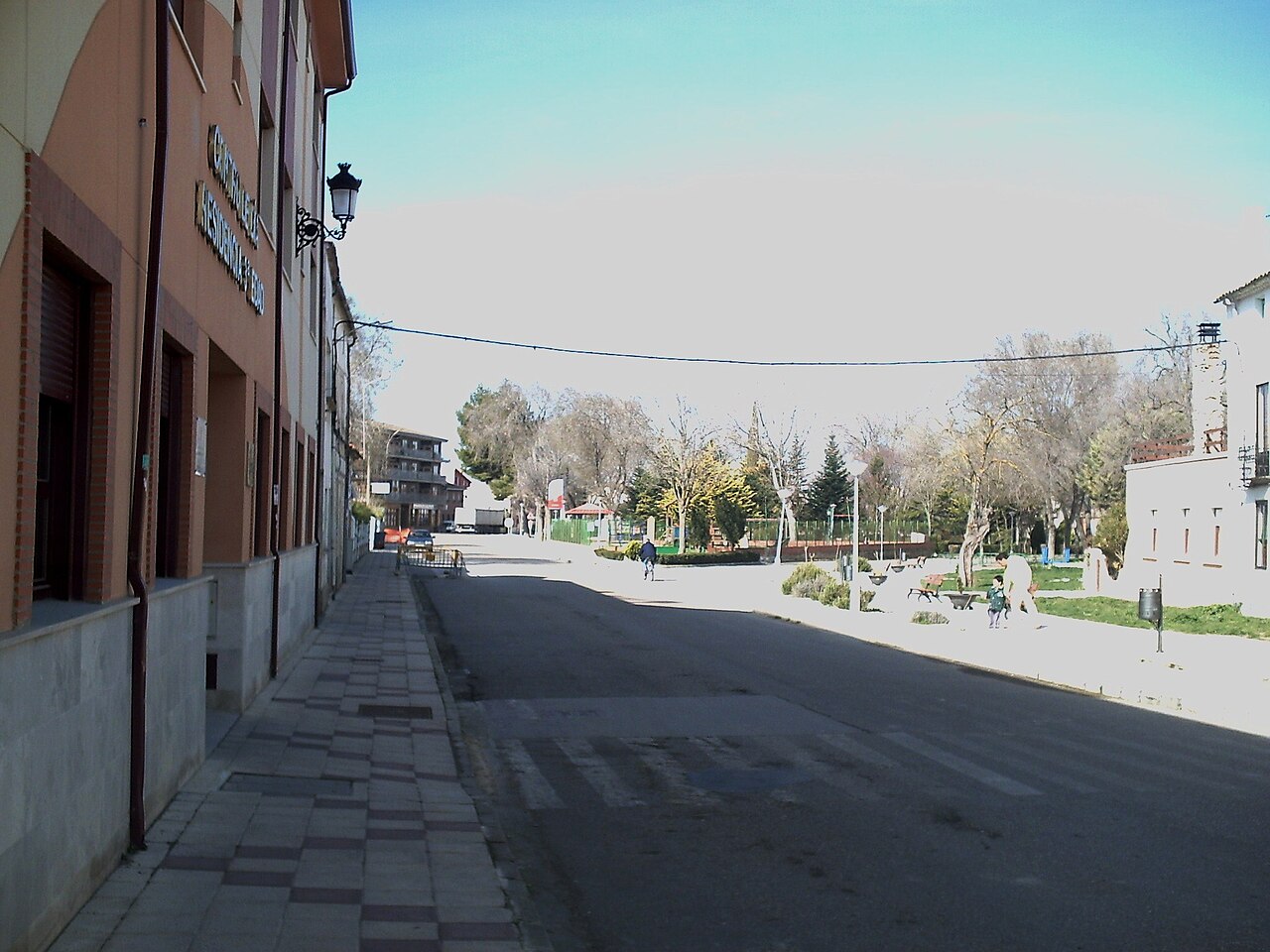
The Renault lorries rumble past the 13th-century church tower at seven-thirty sharp, their engines providing an industrial bassline to the morning bell-ringing. This is Villamuriel de Cerrato in microcosm: a town where Spain's automotive industry shares car-parking space with Templar stonework, and where the cereal plains of Castilla y León stretch right up to the factory gates.
At 727 metres above sea level, the town sits high enough to catch the wind that sweeps across the plateau. The air tastes of grain dust and diesel, a combination that shouldn't work yet somehow does. British visitors expecting a sleepy Spanish village often do a double-take at the industrial estate dominating the western approach. Over a hundred companies operate here, making everything from car parts to olive oil bottles. The place employs more people than it houses, drawing in workers from Palencia seven kilometres up the road.
The Church That Outlasted Everyone
Santa María la Mayor rises above the modern sprawl like a medieval middle finger to contemporary planning. Built by the Knights Templar, its sandstone walls are two metres thick in places—defensive architecture that speaks to more turbulent times. The west doorway shows the wear of eight centuries: stone worn smooth by countless hands, the carved capitals weathered into abstract suggestions of their original forms.
Inside, the single nave feels surprisingly intimate after the industrial harshness outside. The retablo mayor, a Baroque explosion of gilt and polychrome, dominates the sanctuary. Weekday mornings find elderly women shuffling through their devotions, their voices echoing off the stone in the Castilian Spanish that drops consonants like spare change. The church keeps irregular hours; turn up at lunchtime and you'll find the doors locked tight, the priest presumably enjoying his menú del día like everyone else.
The monastery of Santa Clara in the Calabazanos district tells a quieter story. Founded in 1431, it's now home to a small community of Poor Clares who maintain the theatrical tradition of performing religious plays during Holy Week. Their performances draw crowds from across the province, though you'd never guess it from the plain exterior. The nuns sell biscuits through a wooden turntable—speak Spanish or point confidently, because they won't understand your attempts at ordering in English.
Walking Where Grain Meets Sky
The Canal de Castilla runs through the town's northern edge, its towpath offering the best walking in the immediate area. Built in the 18th century to transport grain to the northern ports, it's now a linear park where cyclists share space with dog-walkers and the occasional angler. Three aqueducts punctuate the route within town limits: El Cigarral, Prado Redondo and El Corral. They're functional rather than beautiful—solid stone structures that speak to engineering practicality rather than aesthetic ambition.
Strike out into the surrounding countryside and you'll find yourself in proper big-sky territory. The Cerrato landscape rolls in gentle waves, wheat fields stretching to a horizon that seems impossibly distant. In June, the cereal stands waist-high, turning the countryside into a golden ocean that ripples in the wind. There are no trees to speak of, no hills worth the name, just field after field under an enormous sky. The walking is easy—flat, well-marked farm tracks—but exposed. Forget your hat at your peril; the sun up here has real bite even in spring.
Bird-watchers should pack binoculars. Great bustards occasionally appear in the fields, though you'll need patience and luck. More reliable are the kestrels that hover above the roadside verges, and the red kites that have started moving back into the area. Early morning walkers might spot hares boxing in the fields, their gangly forms visible from half a kilometre away across the bare earth.
What to Eat (and Where to Avoid)
The town's eating scene reflects its working-class roots. Taberna La Villa, tucked into a side street near the church, serves proper Castilian cooking without tourist mark-ups. The roast lamb feeds two comfortably, arriving at the table in a clay dish with potatoes that have absorbed the meat juices. Their morcilla—blood sausage studded with rice and onions—divides opinion among British palates, but it's worth trying at least once. Wash it down with house red that costs €2.50 a glass and tastes like liquid plums.
Avoid La Bodega Del Canal unless you're desperate. Despite being the most reviewed restaurant in town, it's a classic case of quantity over quality. The food arrives lukewarm, the service borders on indifferent, and you'll pay tourist prices for the privilege. Stick to the simple bars around Plaza Mayor, where the menu del día costs €12 and includes wine, bread, and coffee.
The local bread deserves special mention. Palencia province produces some of Spain's best flour, and the village bakeries turn out baguettes with proper crust and chew. Buy one fresh at 8am, add some local sheep's cheese and a tomato, and you've got lunch sorted for under €4.
When the Locals Take Over
Late September brings the fiestas patronales in honour of San Miguel Arcángel, and the town transforms. The industrial estate falls silent as factories close for the festivities. Streets fill with generations of families—grandparents who've never left, cousins returning from Madrid, teenagers home from university. The religious processions provide structure, but the real action happens in the evening verbenas. Temporary bars serve kalimotxo (red wine mixed with cola, better than it sounds) while local bands play Spanish pop from the 1980s.
August sees more informal celebrations, when the peñas—social clubs—take over the nightlife. Each group has its own decorated headquarters, usually someone's garage transformed with fairy lights and a sound system. Walking past at midnight, you'll hear laughter spilling into the streets alongside the smell of grilled sardines and cigarette smoke.
The May 1st pilgrimage to María Auxiliadora brings chaos. Thousands walk the seven kilometres from Palencia, filling the town's bars and restaurants to capacity. If you're visiting that day, book accommodation well in advance and expect to queue for everything.
The Practical Reality
Getting here requires wheels. Fly into Valladolid and hire a car—the drive takes 75 minutes through rolling countryside that gradually flattens into the plateau. Bilbao works too, though it's two and a half hours. Public transport exists but moves at Spanish rural speeds; there's no direct link from any UK airport.
The free motorhome parking by the municipal pool accepts overnight stays, complete with water and waste disposal. It's basic but functional, and the pool café does decent coffee for €1.20. Hotel options are limited to a couple of pensiones—clean, cheap, and utterly lacking in character. Better to stay in Palencia and day-trip, especially if you want restaurants that stay open past 10pm.
Weather catches people out. At this altitude, winter bites harder than you'd expect for central Spain. Frost appears overnight from October onwards, and the wind can make April feel like February. Summer brings proper heat—35°C isn't unusual—but the altitude keeps nights bearable. Spring and autumn provide the sweet spot, though pack layers regardless.
Villamuriel de Cerrato won't make anyone's bucket list. It offers no Instagram moments, no quaint medieval squares, no artisanal gin distilleries. What it does provide is something increasingly rare: an authentic slice of industrial Spain where real people live real lives, where history and modernity coexist without apology, and where a British visitor can observe daily Spanish life unfiltered by tourism. Come with modest expectations and a willingness to engage, and you'll find the town reveals its charms slowly, like a good Castilian wine that needs time to breathe.