Full Article
about Briviesca
Capital of the La Bureba region with a planned medieval layout; known as the Well-Laid-Out
Ocultar artículo Leer artículo completo
The traffic lights on the A-1 motorway turn red for exactly sixty seconds. That is long enough to notice a brown sign that reads “Briviesca – Ciudad Bien Plantada”, but not long enough to guess what the phrase means. Most British drivers obediently follow the green arrow towards Burgos or Santander; the ones who peel off discover a Castilian town laid out like a Victorian new town, complete with right-angle streets and a bandstand that still hosts Thursday-evening concerts.
Briviesca sits 718 m above sea level on the cereal plain of La Bureba, forty kilometres north of Burgos. The altitude keeps nights cool even in July, and the flat surrounding fields mean you can see weather approaching a full twenty minutes before it arrives. Locals claim this is why the town’s medieval founders abandoned the usual higgledy-piggledy street plan: visibility mattered when you were the last supply stop before the Cantabrian mountains.
A Plaza That Works for a Living
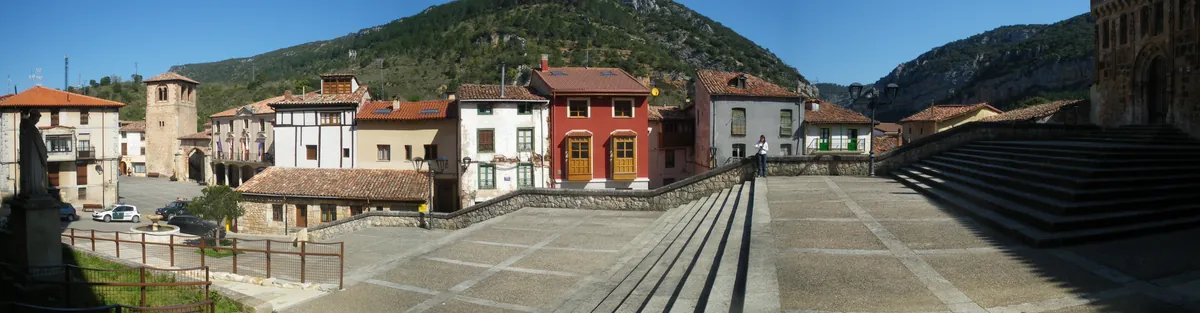
The centre is the Plaza Mayor, a rectangular slab of granite hemmed in by arcaded houses. Coffee at one of the terrace bars costs €1.60 if you stand at the counter, €1.80 if you sit outside – still cheaper than the machine at Doncaster services. Market day is Thursday; the square fills with trestle tables loaded onto vans from surrounding villages. By eleven o’clock you’ll queue behind farmers buying socks, drill bits and a single cauliflower, all paid for with notes kept inside waxed jacket pockets.
The Renaissance Colegiata de Santa María faces the town hall; its tower is the highest point for miles and the logical meeting place if your party splits up. English-language leaflets exist, but you have to ask inside the sacristy and the priest may be conducting a funeral. Sunday Mass at noon is the only reliable moment to see the interior; otherwise you’ll have to settle for the carved façade, sandstone softened by five centuries of grain dust carried on the wind.
Five minutes east, the Convento de Santa Clara keeps trickier hours. Ring the bell between 10:30 and 13:00 and a nun will sell you a €3 ticket through a revolving wooden hatch. The cloister smells of beeswax and recently-ironed linen; the Gothic church beyond contains a sixteenth-century altarpiece that restoration teams left half-clean so visitors can compare original crimson with the soot-black version. Photography is forbidden, which makes a pleasant change from selfie-stick battlefields elsewhere.
Flat Walks and Empty Horizons
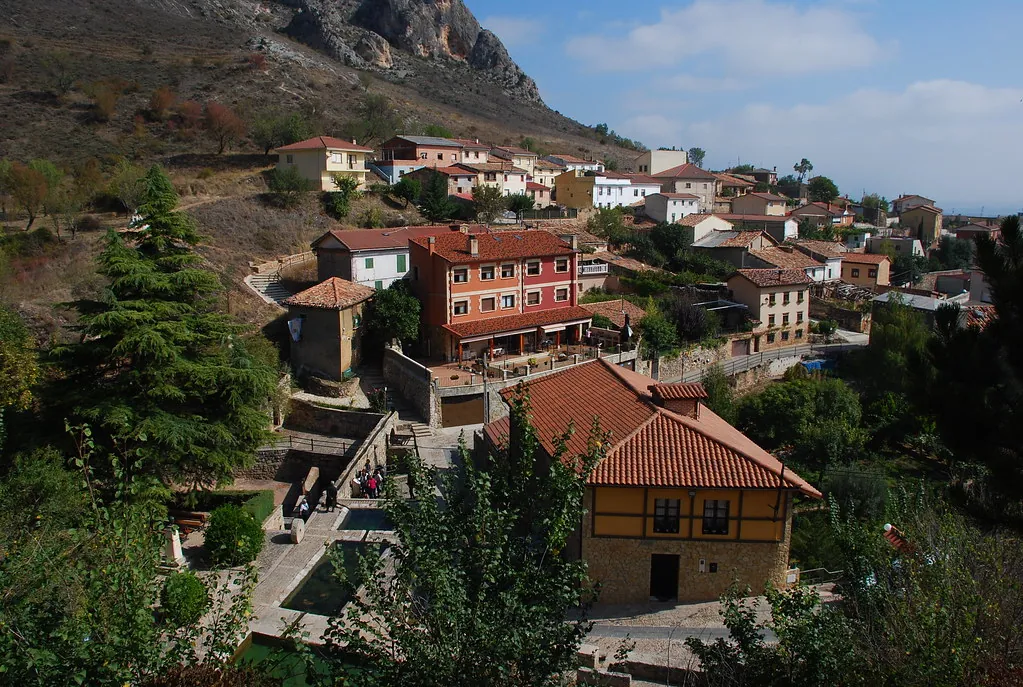
Briviesca is not pretty in the postcard sense. The colour palette runs from straw-yellow to dusty ochre, and the wind arrives fresh from the Meseta with nothing to slow it down. What the town does offer is space. A signed 8-km loop, the Camino de la Vega, sets off from the old wheat warehouse and follows farm tracks through wheat and sunflower plots. You will meet more tractors than tourists; storks clatter overhead, and every mile or so a stone shelter provides shade if you remembered water. The route is level, ideal for a morning stretch after the drive from Santander ferry port (75 minutes) or Bilbao (90).
Cyclists can pick up the converted rail line known as the Vía Verde de la Bureba, 22 km of tarmac that once carried coal from Miranda de Ebro. Bike hire is theoretically available from the tourist office, but you need to email two days ahead; simpler to bring your own and park free behind the post office.
Food Without the Fanfare
Castilian cooking here is farmhouse-plain and proudly un-trendy. Lunch menus cost €12–14 and start with a bowl of alubias rojas de la Bureba – local red beans the size of a five-pence piece. Second course is usually cordero asado: lamb shoulder that has been in the wood oven since breakfast, served with roast potatoes that soak up the fat. Vegetarians get menestra de verduras, a stew of peas, artichoke and diced egg that tastes better than it photographs. Pudding is a slab of queso de Burgos drizzled with honey; think ricotta, but firmer and less salty.
Evening tapeo begins around eight. Bars along Calle Monseñor Miguel Olarte serve morcilla (black pudding spiced with rice) and pimientos rellenos stuffed with cod. Most places close the kitchen at 22:30 sharp; stay later and you’ll find the owner mopping around your feet. Cards are accepted in restaurants, but many bars are cash-only below €10 – keep some coins for the inevitable last-round of chorizo.
If you want to push the boat out, Restaurante Fortu on Calle Mediodía Chica will grill a 1.2 kg T-bone for two (€42) and swap chips for salad without debate. Their house Ribera del Duero is €11; decant it yourself – the waiter will simply wrench out the cork and leave you to it.
When to Come, When to Leave
Spring is the sweet spot. From mid-April the wheat glows emerald and the town’s nine parks erupt with lilac and judas trees. Temperatures hover around 18 °C, ideal for walking before the sun burns off the dew. Autumn is almost as good, especially during the Fiesta de la Vendimia in late September when locals tread grapes in a plastic paddling pool on the plaza and hand out thimble-sized samples of last year’s must.
August is hot, often 34 °C by mid-afternoon, and half the shops shutter for the month. Winter brings sharp frosts; the plain is prone to freezing fog that can close the A-1 without warning. If you do arrive in December, come for the Belén Viviente (living nativity) when 300 residents in homemade robes re-enact Bethlehem among the convent walls – unintentionally comic, genuinely touching.
Beds and Bypasses
Accommodation is limited and honest. The three-star Hotel San Miguel on Calle de los Herreros has 36 rooms, underground parking and a cafeteria that opens at 07:00 for the Madrid coach. Doubles are €65 including a breakfast of churros and powdered chocolate that the Spanish guests treat as normal. The municipal albergue offers dorm beds for €12, but you share with long-distance cyclists who snore in several languages.
Petrol is cheaper on the A-1 service stations than in town; fill up before you exit. Sunday supermarket hours run 09:00–14:00 only – after that you’ll be surviving on bar peanuts until Monday. There is no left-luggage office; the tourist office will sometimes babysit a backpack, but they close for lunch like everyone else.
Briviesca will never make the front cover of a glossy Spain supplement. It offers no beach, no Gaudí curve, no infinity pool. What it does give the stray motorist is a functioning Spanish market town that has not yet remodelled itself for visitors – a place where the coffee is still drinkable, the plaza benches are free, and the waiter will ask where you’re heading before he hands back your change. Stay a night, walk the wheat loop, buy a loaf from the Thursday baker, and you will understand why the bypass sign calls it “well-planned” rather than beautiful. Sometimes that is exactly what the journey needs.