Full Article
about Villagatón
Municipality that includes Brañuelas (railway junction); the highest part of Cepeda and the Manzanal pass.
Hide article Read full article
A Place You Don’t Plan, But Stay For
Some places are reached almost by accident. You turn off the road for a short break and end up staying longer than expected. Tourism in Villagatón has something of that feeling. It does not make much noise or appear on fashionable lists, yet once you stop and look around, it becomes clear why people here remain closely tied to the land.
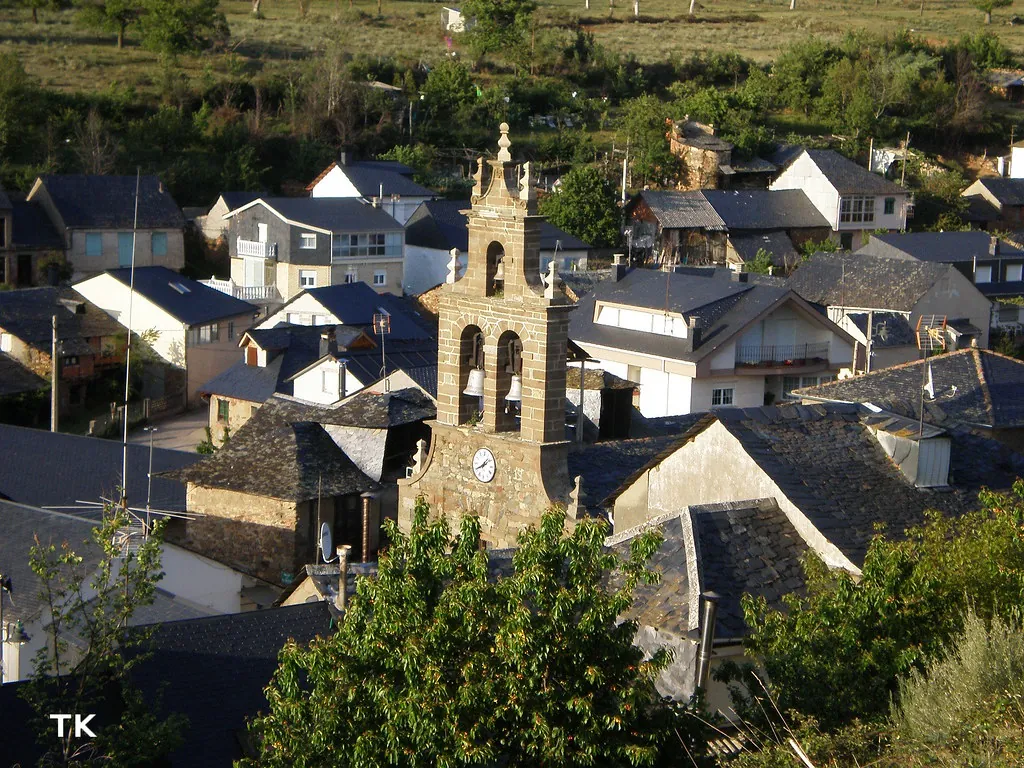
Villagatón sits in La Cepeda, in the province of León, a municipality of around six hundred residents spread across several small villages. The main settlement is Brañuelas. From there, much begins to make sense: the tough climate, the houses built to endure long winters, and a landscape shaped by open meadows, low scrub and oak woods.
At about 1,200 metres above sea level, life follows a different rhythm. That pace does not come from design, but from the environment itself. Stone and slate houses are not there for show. They exist because they work when the cold arrives.
Walking through the different settlements, Brañuelas, La Mata, La Garganta and other smaller villages, you notice half-collapsed barns, closed houses and streets that were once simple paths between vegetable plots and grazing land. These are traces of decades of depopulation, something repeated across much of the region. Even so, the area does not feel entirely abandoned. It feels lived in, just at a slower pace.
La Cepeda has long been a route between León and Galicia. That role becomes obvious when you move through the area: open valleys, streams that run fast after rain and hills covered with melojo oak. There are no major monuments or museums here, yet the landscape has enough character to hold your attention on its own.
What There Is to See
Villagatón is not a place for ticking off a short list before moving on. The interest is spread across the different villages, and it rewards a slower look.
In Brañuelas, the parish church of San Pedro reflects the restrained style common in many mountain villages of León. Thick walls, small windows and a simple bell gable define the structure. It is not always open, but if there happens to be a local event, it is worth stepping inside.
As you move through the streets, small details stand out. Wooden galleries appear on some houses. Masonry walls vary in shape and finish. Slate roofs show the changes made over time. These are homes built for living rather than display, and that is evident at a glance.
Around many houses, you will see corrales and other auxiliary buildings. Some are still in use, others have been overtaken by brambles and vegetation. The scene offers a direct view of how rural life in parts of León has shifted over the years.
The Landscape of La Cepeda
The surrounding landscape is what truly supports a visit to Villagatón. At first glance, La Cepeda may seem simple. Spend more time walking through it, and more detail begins to emerge.
Melojo oak woods cover much of the territory. In summer they provide welcome shade. In autumn they transform the hills with changing colour. Between these wooded areas lie meadows where livestock still graze, along with small streams that cross the valleys.
Lift your gaze towards the horizon and several well-known peaks in the area come into view, such as Peñalba or Morozo. They are not especially high mountains, yet they have a clear presence when seen up close. A short drive along minor roads or tracks reveals terrain that feels more varied than it might appear on a map.
Walking Without a Rush
One of the simplest and most rewarding things to do here is walk. There is no need to plan a long or demanding route.
Paths connect the different villages in the municipality. Many of them were once used to move between meadows and grazing areas. Some are signposted, while others are traditional routes still used by local residents.
A common walk in the area leads up towards Paredes. It is not particularly difficult, and from the higher ground there are good views across the region. It is the sort of place where you pause for a moment, look over the valley and notice just how quiet everything is.
Those interested in wildlife will get more out of the experience by moving slowly. Small birds move among the lower branches of the oak trees. In the streams, trout can sometimes be seen when the water runs clear. Nothing feels staged or dramatic, yet there is a quiet satisfaction in paying attention.
Food and Taking Your Time
After time outdoors, the food of this part of León makes sense. The cuisine leans towards hearty dishes, cured meats and pork prepared in many different ways. These are meals designed for long days and cold winters.
In good weather, the meadows near the villages provide simple places to stop and rest. A sandwich and something to drink are often enough. Plans here tend to work best when they are unhurried.
Autumn brings a noticeable change to the landscape as well. The oak woods shift into tones of ochre and gold, and the overall atmosphere becomes calmer still.
Villagatón does not rely on standout attractions or carefully curated experiences. Its appeal lies in how everything fits together: the villages, the terrain and the steady rhythm shaped by the surroundings. It is a place that asks for time rather than attention, and it tends to reward those who give it.