Full Article
about Brabos
Small rural settlement; noted for its simplicity and preservation of farming traditions.
Hide article Read full article
Brabos: El pueblo que no te espera
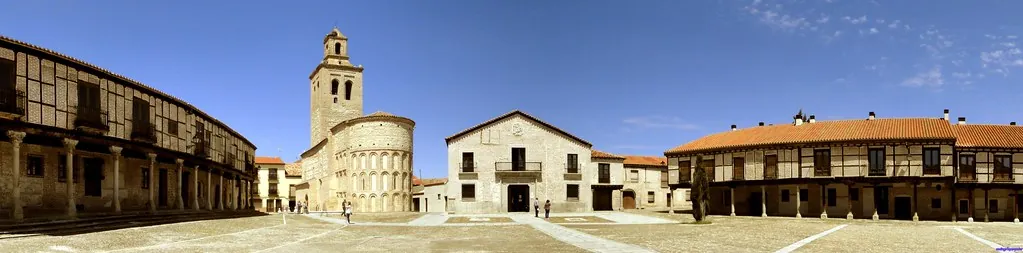
Brabos es como ese desvío que tomas en la carretera solo para ver qué hay, y de repente te encuentras en un sitio donde el único sonido es el viento contra las ventanillas del coche. No hay tiendas, ni bares, ni siquiera una señal que te diga dónde aparcar. Solo un puñado de casas grandes de piedra y adobe, una iglesia y el silencio aplastante de La Moraña. Con 34 habitantes, este pueblo de Ávila no es un destino; es más bien una pausa involuntaria en el mapa.
Un paseo de cinco minutos (literal)
El pueblo tiene la forma de un óvalo. Entras por un extremo, caminas por la calle principal pasando junto a la iglesia, y antes de que te des cuenta estás saliendo por el otro lado, de vuelta a los campos de cereal. No tiene pérdida. Las casas son serias, con muros gruesos para aguantar el frío del invierno y el calor del verano, como si estuvieran plantadas ahí desde siempre.
La iglesia es el punto de referencia. No es especialmente bonita, pero tiene esa presencia sólida de los edificios que han visto pasar generaciones. La madera de la puerta está gastada por el uso, no por el turismo. Sabes que un sitio es real cuando su iglesia no tiene horario de visitas pegada en la entrada.
El verdadero protagonista: el campo
Lo que vienes a ver aquí no está entre las casas, sino alrededor. Brabos está hundido en medio de la llanura cerealista de La Moraña, una extensión tan amplia que a veces cuesta encontrar dónde termina el cielo.
No hay senderos señalizados ni miradores con barandilla. Simplemente coges uno de los caminos agrícolas que salen del pueblo y te alejas. En primavera todo es un verde intenso; en verano, un mar dorado que crepita con el calor. El atractivo no está en llegar a ningún sitio concreto, sino en notar cómo se amplía el espacio a tu alrededor hasta que te sientes minúsculo.
Si llevas prismáticos, échales un vistazo al cielo. Es común ver cernícalos planeando sobre los campos, o bandadas de aves migratorias cruzando estas llanuras como una autopista aérea.
Ven con las expectativas claras (y un bocadillo)
Vamos a dejarlo claro: Brabos no tiene servicios para ti. Cero. Ni bar, ni fuente pública fiable, ni una tienda donde comprar agua.
Por eso funciona mejor como parada técnica que como excursión programada. La visita ideal es así: aparcas junto a la iglesia, das una vuelta por el pueblo en cinco minutos, luego caminas media hora por cualquiera de los caminos hacia los campos y regresas. Todo con la comida y la bebida que hayas traído contigo. Si buscas algo más estructurado, sentirás que te has equivocado de lugar.
El verano le da cuerda
Durante gran parte del año, Brabos parece dormido. Pero en agosto suele animarse un poco. Llegan vecinos que viven fuera y durante unos días se recupera algo del bullicio perdido.
La actividad se concentra alrededor de la iglesia: misa mayor, alguna charla larga en la plaza… Son reuniones familiares a escala pueblo. No son eventos para turistas; si coincides con uno, simplemente estás viendo cómo funciona la vida social aquí cuando se activa.
Brabos no te va a cambiar la vida ni te va a ofrecer una experiencia “auténtica” empaquetada. Es solo un lugar pequeño y terco donde el paisaje manda y el silencio es parte del mobiliario. Vienes, respiras hondo frente a esa llanura interminable y sigues tu camino. A veces eso ya es suficiente