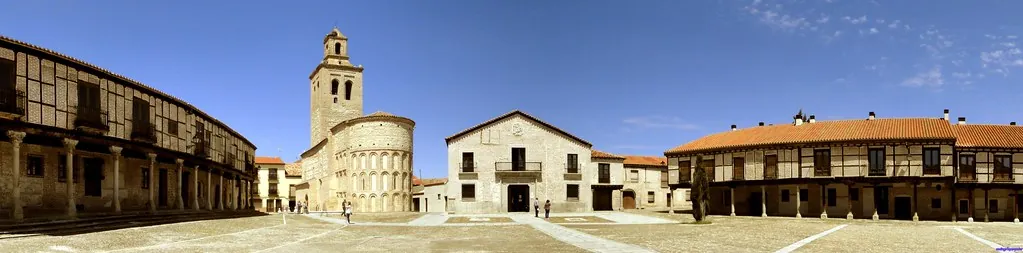
Vista aérea de Cabizuela
Instituto Geográfico Nacional · CC-BY 4.0 scne.es
Castilla y León · Cradle of Kingdoms

Cabizuela

The church bell strikes noon, yet only two cars sit in the main square. At 884 metres above sea level, Cabizuela operates on a timetable that has l...

89 inhabitants · INE 2025
884m Altitude

Why Visit

Mountain Church of San Juan Evangelista Mushroom hunting

Best Time to Visit

summer

San Juan Festival (June) junio

Things to See & Do
in Cabizuela

Heritage

  • Church of San Juan Evangelista
  • surrounding pine forests

Activities

  • Mushroom hunting
  • Hiking through pine forests

Festivals
& & Traditions

Fecha junio

Fiestas de San Juan (junio), Fiestas de la Octava (junio)

Las fiestas locales son el momento perfecto para vivir la autenticidad de Cabizuela.

Full Article
about Cabizuela

A village surrounded by pine forests and farmland; great for mushroom picking in season.

Ocultar artículo Leer artículo completo

The church bell strikes noon, yet only two cars sit in the main square. At 884 metres above sea level, Cabizuela operates on a timetable that has little to do with clocks and everything to do with seasons. This agricultural hamlet of 85 permanent residents in Ávila's Moraña region demonstrates what happens when Spain's rural heartland refuses to speed up for anyone.

The Anatomy of a Working Village

Stone, adobe and brick houses line unpaved streets that radiate from the 16th-century parish church. These aren't restored holiday homes—they're working buildings designed for continental extremes. Walls measure half a metre thick to buffer against summer heat that regularly tops 35°C and winter cold that can plunge to -10°C. The Arab tiles on roofs aren't decorative; they're angled to shed the heavy snowfalls that isolate the village for days each winter.

What appears haphazard makes perfect sense when you understand the agricultural rhythm. The larger houses with carved stone lintels sit closest to the church, built when wheat prices made farming profitable. Smaller dwellings cluster towards the edges, constructed by labourers who followed the harvests. Underground wine cellars, now mostly empty, hint at a time when every family made their own wine from small vineyard plots scattered between cereal fields.

The population swells to perhaps 200 during August fiestas, when former residents return from Madrid, Barcelona and Valladolid. They arrive with British cars full of grandchildren who've never collected eggs from beneath a hen. For two weeks, the village square hosts impromptu football matches and late-night conversations that echo off stone walls. Then September arrives, and Cabizuela exhales back to its essential self.

Walking Through Four Seasons

Spring transforms the surrounding plains first. Green wheat creates an almost English landscape, broken only by stone walls that predate the Reconquista. By late May, the fields shimmer like the North Sea on a sunny day. Walking tracks—really just farm access roads—radiate outwards for miles. None are waymarked, which suits the handful of hikers who find their way here. The circular route to the abandoned Cortijada de San Rafael takes ninety minutes and delivers views across three provinces.

Summer brings a different kind of beauty, though it's not gentle. The sun beats down with an intensity that makes 10am feel like midday in southern England. Farmers work 5am to noon, then retreat indoors until 6pm. The wise visitor follows suit. Evening walks reveal stone curlews calling across fields that glow gold in the lowering sun. By August, the harvested stubble resembles a military haircut—practical, uniform, purposeful.

Autumn might be Cabizuela's finest hour. The temperature drops to something approaching a British heatwave, and clear air reveals the Gredos mountains fifty kilometres distant. Wild asparagus grows along field edges—locals will point out the tender shoots if asked politely. Mushroom season arrives with the first October rains, though foraging rights belong to whoever owns the land. The village's few restaurants (really just family kitchens that open occasionally) serve setas gathered from nearby pine plantations.

Winter strips everything back. When the northeasterly wind arrives from the Meseta, it carries no mercy. Fields turn the colour of unfinished leather, and the horizon seems to retreat towards Portugal. This is when Cabizuela feels most remote. Madrid lies just 130 kilometres east, but might as well be on another planet when the roads ice over and mobile phone signals fade in the afternoon gloom.

What Grows Between the Stones

The Moraña region produces some of Spain's finest beans—judías del Barco—grown in the fertile soil around the Adaja river. These butter beans appear in every local kitchen, stewed with morcilla blood sausage or simply with bay leaves and garlic. The protected designation covers beans grown within a thirty-kilometre radius, though Cabizuela's sandy soils produce particularly fine specimens.

Lamb from nearby farms carries the Ávila geographical protection mark. The churro breed, with its distinctive curled horns, grazes on prairie grasses that force them to walk kilometres for sustenance. This produces darker, more flavoursome meat than the milk-fed lambs of Segovia. Local women will sell you a shoulder from their freezer—expect to pay around €12 per kilo, significantly less than British supermarket prices for inferior New Zealand imports.

Wine proved more problematic. The region's continental climate—hot days, cold nights—should create ideal growing conditions. But cereal farming paid better through the twentieth century, so vineyards were grubbed up. Only one commercial producer remains within twenty kilometres, making robust reds from Tempranillo grapes that survive winter temperatures of -20°C. Their €6 basic red outperforms many Riojas at twice the price.

The Practical Geography

Arévalo sits twenty minutes north on the A6, providing the nearest petrol station, cash machine and proper supermarket. Its medieval centre merits half a day, particularly the Mudéjar tower that survived everything from Napoleonic troops to motorway development. Southwards, the N502 winds through cereal plains to Ávila city in forty minutes—worth visiting for the walls alone, though the tourist restaurants inside charge Madrid prices for reheated stews.

Public transport barely exists. One bus daily connects Arévalo to Ávila, stopping at the Cabizuela turn-off on request. From there it's a two-kilometre walk—pleasant in May, purgatory in August, impossible in January. A hire car from Madrid airport takes ninety minutes via the A6, though watch for speed cameras around Arévalo. The Guardia Civil know every British registration number and aren't shy about explaining Spanish traffic law.

Accommodation options reflect the village's agricultural reality. Nobody runs a formal bed and breakfast, though Doña Mercedes rents out two rooms above her bread oven for €25 per night. The bathroom's down the hall, breakfast appears when she's finished feeding the chickens, and the walls are decorated with grandchildren's graduation photos. Alternatively, the Laguna del Oso complex sits fifteen kilometres away—proper hotel rooms with heating that works and a restaurant that understands vegetarian requirements.

The Honest Calculation

Cabizuela rewards those seeking Spain beyond the Costas and city breaks. It delivers authenticity without trying—the village simply is what it is, take it or leave it. Photographers find material in every season, particularly the quality of light that attracted Spanish painters to neighbouring villages. Birdwatchers can tick off bustards, sandgrouse and imperial eagles without another human in sight.

But this isn't a destination for ticking off sights or filling Instagram feeds. The village offers no souvenir shops, no guided tours, no wine tastings in converted monasteries. When darkness falls, it falls completely—street lighting extends to three lamps around the square. If you need nightlife beyond conversation and stars, stay elsewhere.

Come prepared for weather that changes faster than British forecasts. Pack layers, even in July. Bring walking boots that clean easily—the red clay stains permanently. Learn basic Spanish; nobody speaks English and Google Translate struggles with local accents. Most importantly, abandon any schedule. Cabizuela works to agricultural time, and the village didn't survive a thousand years by hurrying for visitors.

Key Facts

Region
Castilla y León
District
La Moraña
INE Code
05045
Coast
No
Mountain
Yes
Season
summer

Livability & Services

Key data for living or remote work

2024
TransportTrain 12 km away
HealthcareHospital 18 km away
Housing~5€/m² rent · Affordable
CoastBeach nearby
January Climate4°C avg
Sources: INE, CNMC, Ministry of Health, AEMET

Planning Your Visit?

Discover more villages in the La Moraña.

View full region →

More villages in La Moraña

Traveler Reviews