Full Article
about Nava de Arévalo
Large municipality in La Moraña with several hamlets; major farming and services.
Hide article Read full article
A village you understand at a glance
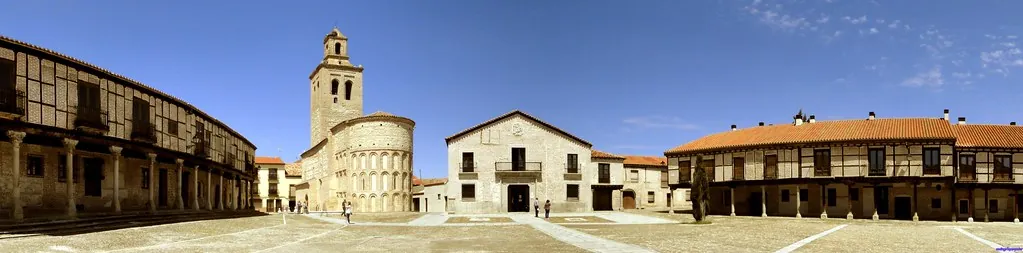
Some places explain themselves almost immediately. You stop the car, look around, and the character of the place becomes clear. Nava de Arévalo fits that description. There is a lot of sky, quiet streets, and the sense of being deep in La Moraña, where the landscape matters more than any single building.
With around 647 residents, Nava de Arévalo moves at its own pace. Daily life still follows the rhythm of the countryside, and even crossing the main square can take time if a conversation starts along the way. Anyone arriving in search of large monuments or a historic centre packed with sights every few metres may feel underwhelmed. Those who are curious about what a working agricultural village in this part of Ávila actually looks like will find it worthwhile to stop.
La Moraña and its wide, open horizon
La Moraña is flat land. Very flat. Driving through it creates the impression that the horizon keeps slipping further away.
Around Nava de Arévalo, cereal fields dominate the view. In spring they appear green and soft. By summer they turn that dry yellow so closely associated with Castile. Straight agricultural tracks cut through the fields, the kind where a tractor can travel for minutes without passing anyone.
Dovecotes appear scattered across the landscape. Some remain upright and solid. Others have partly collapsed, though they still hint at how the area once looked. Together, fields and these structures define the traditional character of the comarca.
The church at the centre of it all
The parish church of San Juan Bautista stands in the square. It acts as a point of reference for the village, not because of grandeur, but because everything seems to revolve around it.
The building dates from the 16th century. It combines brick and masonry, a common approach in this part of Castilla y León. Its tower is visible from several points around the village and helps with orientation. A short walk through the surrounding streets often leads back towards it.
Inside, the atmosphere reflects the sobriety typical of many rural churches in Castile. The space is open, the materials simple, and the overall impression is one of quiet restraint.
Adobe streets and small details
A walk through Nava de Arévalo has a particular feel. It is less about obvious beauty and more about noticing small elements that reveal how the place works.
Many houses still have walls made of adobe or rammed earth. Some have been restored, while others show their age more plainly. Large wooden gates, small windows, and interior courtyards hidden from view shape the streetscape.
There are also underground cellars beneath some homes. These were traditionally used to store wine or food, making use of the steady temperature below ground. They are easy to miss unless you know what to look for, yet they form part of everyday life in the village.
Dovecotes and the surrounding countryside
The paths leading out of the village bring the countryside into closer focus. Along these routes, more dovecotes appear. Many are circular and built with mud and brick.
For centuries, they served a practical purpose. Pigeon farming provided meat and also fertiliser for the fields. Today, many of these structures are abandoned or partly ruined. Even so, they remain an essential part of the landscape of La Moraña. Seeing several of them scattered among the crops offers a clearer sense of how the rural economy once functioned.
Festivities and village life
The main celebrations revolve around San Juan Bautista, the village’s patron saint. They traditionally take place at the end of June. During those days, the atmosphere changes noticeably as relatives return and the square fills again.
Summer also brings smaller activities organised by residents or the local council. These are simple events rather than large spectacles. They often end with people talking together in the street well into the evening.
Is it worth the stop?
Nava de Arévalo is not a destination for filling two full days with sightseeing. It makes more sense as a short stop.
A visit offers a way to understand La Moraña from the inside. A walk through the streets, a glance down the tracks that leave the village, and some time spent looking at the landscape can be enough. That brief pause can add context to a wider journey through the region, much like stopping to stretch your legs during a long drive.