Full Article
about Palacios de Goda
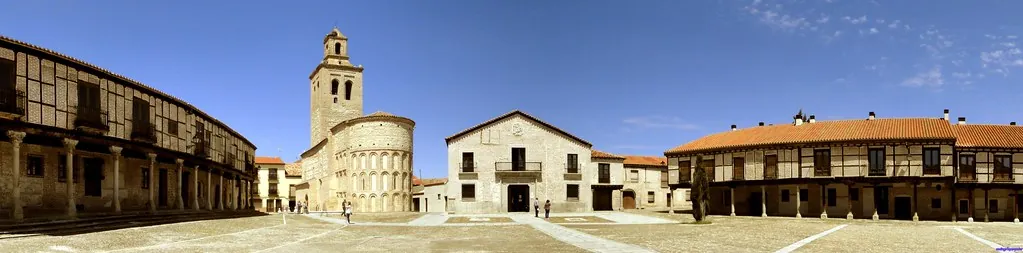
A town in northern Moraña; noted for its Mudéjar church and hermitage.
Hide article Read full article
Palacios de Goda: Cuando el GPS dice "has llegado" en medio de la nada
Hay un momento, conduciendo por La Moraña, en el que te das cuenta de que los pueblos no están en el paisaje, son el paisaje. Aparecen de golpe al final de una recta interminable, como un montón de tejas y ladrillo que creció alrededor de una iglesia. Palacios de Goda es uno de ellos. No es un desvío, es el final del camino. Llegas porque vas a él, no porque pases por ahí.
El nombre suena a nobleza rural, pero lo que encuentras es más terrenal. Calles anchas y silenciosas, donde las casas de adobe y tapial se mezclan con algún corral semienterrado. No hay una plaza mayor con soportales ni un castillo en lo alto. La historia aquí está en los detalles: una reja torcida, un dintel gastado, una pared donde se ven tres siglos de parches. Es el tipo de lugar que no te grita "tómame una foto", sino que espera a que te fijes.
La iglesia que explica todo
La parroquia de San Pedro Apostól resume bien el pueblo. No es una catedral, es un edificio útil. Si la miras rápido, parece otra iglesia de pueblo. Si le das una vuelta, empiezas a ver el cóctel: mampostería aquí, ladrillo allá, una espadaña añadida después. Es como un libro de texto sobre construcción rural morañega. No tiene horarios fijos de visita; suele estar abierta por las mañanas, pero conviene preguntar en el bar si hay alguien con la llave.
Calles hechas para trabajar, no para pasear
Pasear por Palacios de Goda no es hacer turismo urbano. Las calles fueron hechas para carros y ganado, no para selfies. Verás patios enormes junto a las casas –eran las cuadras– y alguna bodega subterránea que recuerda cuando el vino se hacía en casa. La arquitectura es práctica: adobe para aislar, ladrillo para durar, piedra donde hacía falta. Algunas reformas recientes rompen la armonía, claro. Es lo que tiene vivir en un sitio real.
La verdadera protagonista: la llanura
Lo más impresionante del pueblo sale cuando te alejas doscientos metros. Ahí termina todo y empieza La Moraña. Un mar plano de cereal salpicado por alguna encina solitaria y naves agrícolas a lo lejos. La sensación de espacio es absoluta. Este paisaje lo explica todo: por qué los pueblos están tan separados, por qué la vida gira alrededor del campo, por qué el horizonte es tu compañero constante. Si vienes al atardecer, verás cómo la luz baja convierte todo en oro viejo y recorta la silueta del pueblo contra los campos.
Para los que quieren estirar las piernas
Hay caminos rurales que salen del casco como radios. Son pistas de tierra usadas por tractores, perfectas para caminar o ir en bici sin complicaciones. No busques señalización ni paneles informativos; esto no es un parque temático. Es tierra de labor. Si te gustan las aves esteparias (y tienes paciencia y prismáticos), esta zona tiene fama entre los que saben. En temporada puedes avistar avutardas o sisones. O no. Ellas deciden.
Comer como se ha comido siempre
La comida aquí sigue siendo lógica: lo que da la tierra. Garbanzos (los de La Moraña tienen nombre propio), cordero lechal al horno y embutidos del cerdo que se mataba en casa. Son platos contundentes, sin florituras. Hablas con cualquier vecino mayor y enseguida sale el tema: cómo se hacían las migas pastoras o dónde iban a buscar los espárragos trigueros. La huerta familiar aún existe para consumo propio.
El verano cambia las reglas
Durante nueve meses al año Palacios vive su ritmo pausado. Pero llegan las fiestas patronales (San Pedro Apostól a finales junio) y el pueblo se multiplica. Vuelven familias enteras desde Madrid o Valencia. Suena música en la noche, hay procesión, y comidas comunitarias donde cada uno aporta lo suyo. Durante unos días recupera el bullicio que tuvo décadas atrás, para luego volver a su silencio habitual.
Vale la pena si…
¿Merece un viaje expreso? Probablemente no si buscas monumentos o animación. Pero si estás recorriendo La Moraña y quieres entender cómo funciona realmente esta tierra, parar aquí tiene sentido. Es un pueblo vivo, no decorado. Un sitio donde el tiempo lo marcan más las cosechas que los relojes, y donde una conversación en un banco puede enseñarte más que cualquier guía