Full Article
about Vega de Santa María
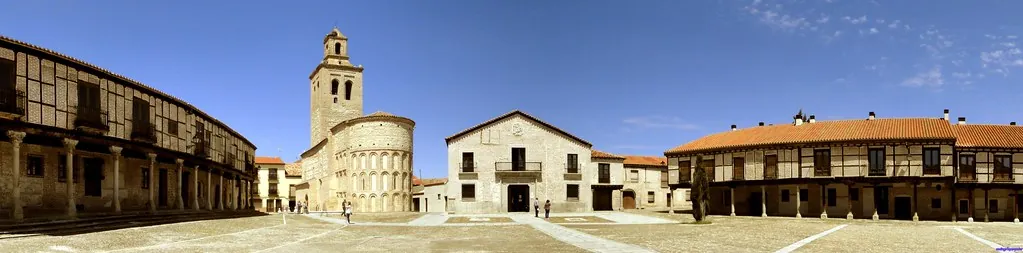
A Moraña town known for its church and the Counts' palace.
Hide article Read full article
Vega de Santa María: el pueblo que no te espera
Vega de Santa María es como ese amigo tranquilo que nunca llama la atención, pero cuando pasas tiempo con él, te das cuenta de que tiene su propia lógica. No hay miradores con vallas de madera ni carteles de "zona fotográfica". Lo primero que te recibe es el terreno: una llanura abierta, campos de cereal hasta donde alcanza la vista y un silencio que solo rompe el viento o, a lo lejos, el motor de un tractor.
Está en La Moraña, a unos 50 kilómetros de Ávila, y lo habitan unas ochenta y ocho personas. Pertenece a esa clase de sitios donde aparentemente no pasa nada, y esa es justamente la gracia. No vengas a tachar monumentos de una lista. Vienes, si acaso, a pillar el ritmo de un pueblo donde la vida aún se mide por siembras y cosechas.
Si buscas cafés con diseño o tiendas de souvenirs, mejor sigue conduciendo. Esto es otra cosa.
Las casas te cuentan cómo es vivir aquí
La personalidad del pueblo se lee en las fachadas. Muchas casas siguen la construcción tradicional de la zona: zócalo de piedra, paredes de adobe y teja árabe arriba. No son detalles decorativos; son soluciones prácticas para aguantar inviernos fríos y veranos secos. Es arquitectura sin pretensiones, puro sentido común.
La iglesia parroquial, dedicada a la Asunción, es el edificio que más sobresale. Su origen se suele situar en el siglo XVI, aunque como en muchos pueblos castellanos, lo que ves hoy es seguramente el resultado de reformas y arreglos a lo largo del tiempo. La torre del campanario es sencilla, sin florituras. Delante hay una placita que sirve de punto de encuentro cuando el tiempo acompaña.
Si te alejas un poco del núcleo, verás los palomares típicos de La Moraña. Esas estructuras redondas o cuadradas que parecen torres bajas perdidas entre los campos. Antes se usaban para criar palomas, por la carne y por el estiércol. Ahora muchos están medio en ruina, pero siguen ahí, formando parte del paisaje igual que los silos o las naves agrícolas.
Cómo mirar (de verdad) una llanura
La Moraña puede parecer sosa a primera vista. No hay montañas ni desfiladeros ni ríos espectaculares. Pero si le das tiempo, los detalles salen.
En primavera, los campos se ponen de un verde intenso. A principios del verano pasa al amarillo del cereal maduro, y después de la cosecha la tierra se vuelve ocra, ese color tan castellano. Lo que ves depende de la temporada: trigo, cebada o girasol.
De pueblo salen pistas de tierra hacia los campos. No son rutas señalizadas; son caminos de trabajo para los tractores. También sirven para dar un paseo o ir en bici sin complicaciones. Si te gustan las aves, este llano tiene movimiento: se oyen las alondras, sobrevuelan milanos y algunas especies propias de estepa aún encuentran refugio aquí. El truco es ir en silencio y mirar al horizonte más que al suelo.
Una encina solitaria rompe la planicie cada mucho, pero el atractivo está precisamente en esa línea recta e interminable donde acaba la tierra.
La vida gira alrededor del campo
La agricultura sigue marcando el día a día aquí. El cereal manda, como en casi toda la comarca, y muchas familias llevan generaciones trabajando esta tierra. Aunque ahora todo sea más mecanizado, el ritmo lo siguen poniendo los cultivos.
Las fiestas grandes son por la Asunción, a mediados de agosto. Entonces vuelve gente con familia en el pueblo y cambia un poco el ambiente: se llena más la plaza, las conversaciones se alargan por la tarde y se comparten comidas entre vecinos y parientes.
Los más mayores recuerdan cuando había más pequeña agricultura y ganadería local. Sus historias hablan de matanzas tradicionales , inviernos especialmente duros o cuando los caminos vecinales importaban más que la carretera principal. Es una historia no escrita que se pasa hablando.
La visita: sin prisa pero sin pausa
Dar una vuelta por Vega de Santa María puede llevarte media hora si solo mides calles e iglesia. Pero si te quedas un rato más quieto empiezas a pillar el ritmo: pasa un coche cada mucho tiempo alguien te saluda desde una puerta , el mueve las espigas en oleadas constantes .
Mi consejo? Pasea sin rumbo fijo , recorre sus calles principales , asómate a la iglesia , luego sálte un poco por alguna pista e intenta mirar el paisaje con calma . No es un sitio para emociones fuertes ; es para bajar revoluciones .
Desde aquí puedes acercarte fácilmente a otros pueblos morañegos como Velayos o San Pedro del Arroyo . Comparten esa misma lógica : una llanura agrícola que , vista con tranquilidad explica bastante sobre cómo se ha vivido siglos esta parte Castilla .