Full Article
about Santa Cristina de Valmadrigal
Municipality on the Leonese plain; noted for the church of Matallana de Valmadrigal with its murals.
Hide article Read full article
Santa Cristina de Valmadrigal es el pueblo que te enseña a no hacer nada
Llegas, aparcas el coche, y de repente te das cuenta de que no hay un plan. No hay una oficina de turismo con folletos, ni un cartel que diga "mirador" con una flecha. En Santa Cristina de Valmadrigal, en Los Oteros leoneses, el único programa posible es dejar de buscar uno. Es ese tipo de sitio donde tu mayor actividad será observar cómo el viento mueve los campos de cereal. Y no está mal.
Con unos trescientos vecinos, es más pequeño de lo que parece en el mapa. Lo cruzas en cinco minutos. Pero la gracia no está en las calles, sino en lo que empieza donde terminan las últimas casas.
Las casas de tierra y los portones anchos
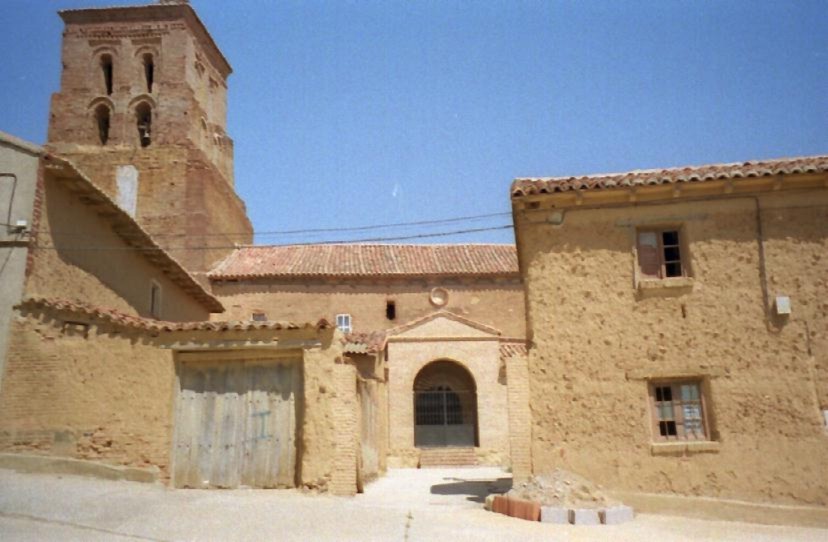
Lo primero que ves son fachadas de adobe y tapial, ese barro apisonado que parece fundirse con la tierra de alrededor. Algunas están cuidadas; otras tienen esa pátina del tiempo que aquí no disimulan. Nada te va a dejar boquiabierto.
Pero si caminas sin prisa, notas los detalles. Los portones de madera son enormes, pensados para que entrara un carro cargado de mies. Si alguno está abierto, puedes atisbar el corral interior, con una encina o un frutal dando sombra. La arquitectura aquí siempre tuvo más que ver con la utilidad que con la foto.
Una iglesia para pararse (literalmente)
La iglesia de Santa Cristina es el punto de referencia. No es una catedral; es la típica iglesia rural leonesa, sobria y con más solera que ornamentos. Es el lugar donde se reúne el pueblo para lo importante: misa, las fiestas patronales, el simple hecho de verse.
Aunque no entres, merece la pena sentarse un momento en el banco frente a ella un domingo por la mañana. Verás cómo funciona el engranaje social del pueblo: quién sale pronto, quién se queda charlando, cómo los niños juegan en la plaza. Es sociología práctica y gratuita.
El verdadero protagonista: el campo infinito
Olvídate de montañas o bosques frondosos. Lo que define este lugar es la llanura. Campos de trigo, cebada y avena que se pierden en el horizonte. Un paisaje abierto hasta decir basta.
En primavera es una alfombra verde; en verano, un mar dorado bajo un sol intenso; en invierno, la tierra desnuda bajo un cielo enorme. Este escenario explica todo: la vida tranquila, las distancias largas entre pueblos, esa sensación de calma casi física. No es espectacular, pero se te mete dentro.
Por dónde moverte (sin perderte)
De las últimas casas salen pistas agrícolas rectas como reglas. Son caminos de tierra para tractores, perfectos para un paseo sin complicaciones. No hay cuestas dignas de mención.
Si vas en bici (de carretera o gravel), estás en tu salsa. Las carreteritas secundarias que unen los pueblos de Los Oteros tienen tan poco tráfico que solo compites con las alondras. Es libertad pura sobre dos ruedas. Un aviso: lleva agua y algo por si acaso. Los servicios son los justos y aunque veas otro pueblo a lo lejos, llegar puede llevar su rato.
Comida contundente y fiestas familiares
Aquí se come lo que siempre se ha comido: platos para aguantar una jornada en el campo. Lentejas pardinas locales guisadas con chorizo o costilla son un clásico honesto. Tradicionalmente ha habido matanza del cerdo familiar (en algunas casas sigue), así que embutidos caseros y guisos potentes son lo normal. No busques tendencias gastronómicas; esto es cocina útil y sabrosa.
Las fiestas patronales suelen ser en verano. Es cuando el pueblo revive. Vuelven los hijos del pueblo desde León capital o Madrid. Se montan mesas largas junto al frontón. Hay procesión por las calles polvorientas. Es ruidoso pero familiar. Como una boda sin novios donde todo el mundo está invitado.
Mi conclusión después del café
Santa Cristina no es un destino. Es una parada. Un lugar para desconectar del ritmo urbano sin necesidad de hacer turismo rural intensivo. Ven si quieres ver cómo se vive todavía en estos pueblos llaneros: sin postureo ni adaptaciones para foráneos. Te tomas un café (si encuentras dónde), das una vuelta por las eras al atardecer y sigues tu camino. Te llevas la imagen del horizonte plano y limpio. A veces eso basta