Full Article
about Valle de Mena
A lush green valley bordering Vizcaya, noted for its Romanesque architecture and almost Atlantic landscapes.
Hide article Read full article
El cordero asado en Villasana de Mena no se parece del todo al que encuentras en otras partes de Castilla. Sale más seco, más curado, como si el horno llevara décadas haciendo el mismo trabajo y ya no necesitara instrucciones. Llega en cazuela de barro, con un pan de pueblo sólido al lado. Al principio parece casi demasiado duro, hasta que lo mojas en la grasa del cordero y entiendes por qué este plato sigue atrayendo gente.
La comida es una forma de entrar en el valle, pero no la única. El Valle de Mena está en la provincia de Burgos, pero se siente más como un punto de encuentro que como un destino fijo.
Un valle hecho de pasos
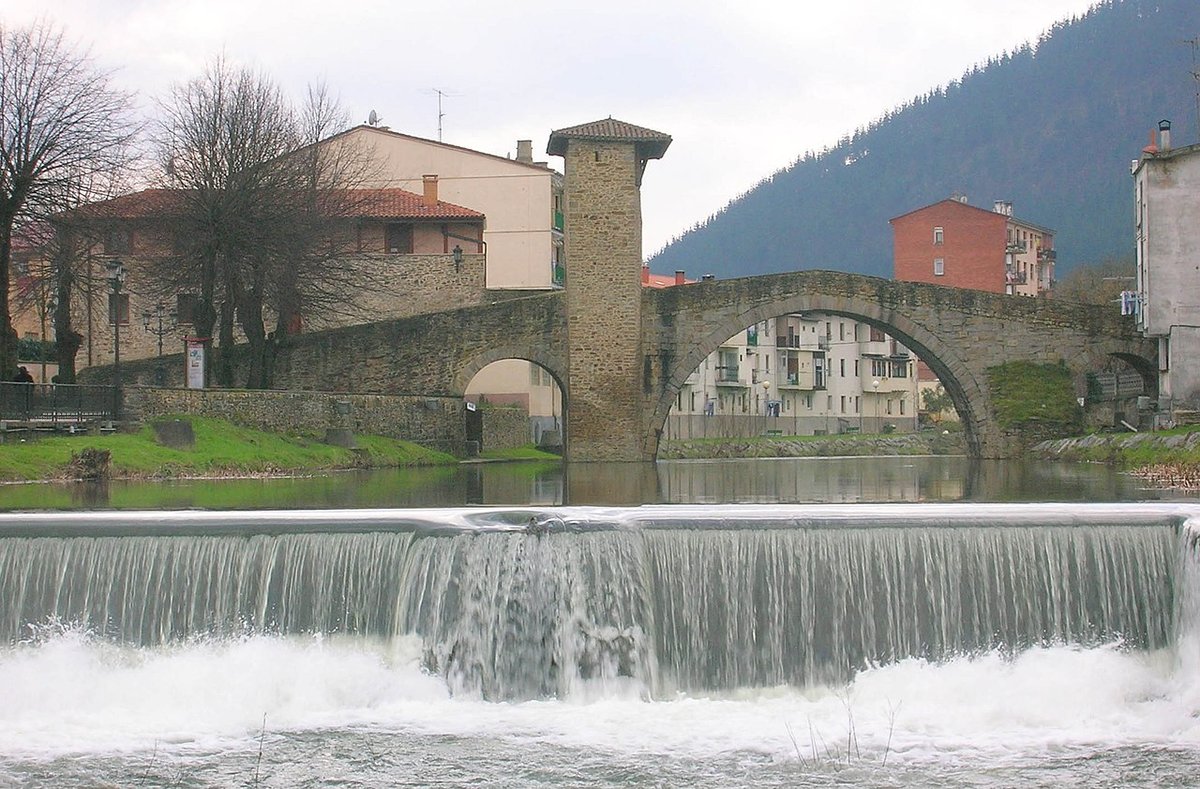
Llegar al Valle de Mena es como pisar una encrucijada a la que nadie se molestó en poner puerta. Estás en Burgos, sí, pero Vizcaya está a un corto trayecto en coche y Cantabria tampoco queda lejos. El río Cadagua recorre el valle entre laderas montañosas, y durante siglos este corredor natural movió mercancías y personas de un lado a otro.
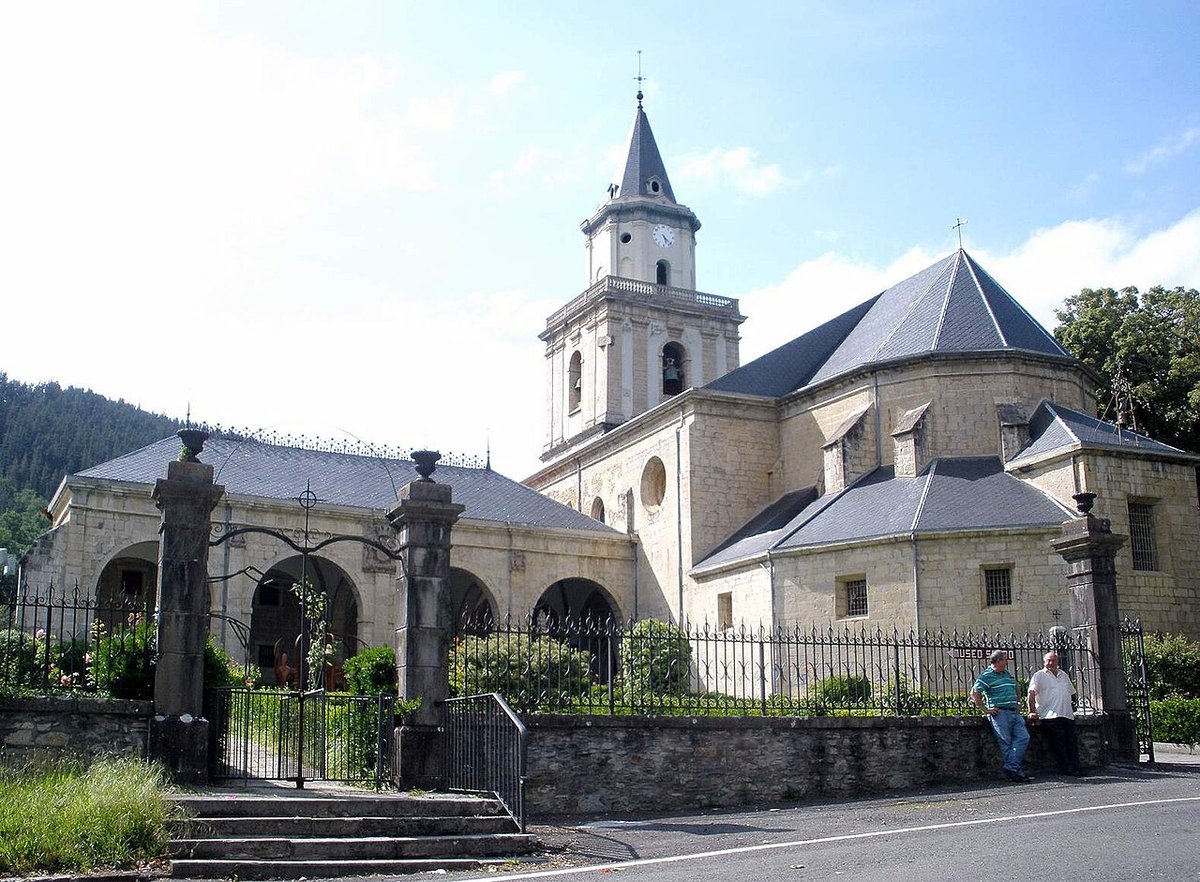
Ese movimiento constante ayuda a explicar por qué aparecen iglesias románicas donde menos te lo esperas. Están repartidas por los pueblos del valle, muchas más de las que imaginarías para una zona con tan pocos habitantes. Los viejos inventarios hablaban de docenas de templos. Una vez empiezas a moverte por allí, esa cifra ya no parece exagerada.
La carretera principal lleva a Villasana de Mena, la capital municipal. Una torre medieval se mantiene sin aspavientos. Un palacio de ladrillo con clara influencia mudéjar hace ahora las veces de ayuntamiento. Otros edificios han sido reconvertidos para usos muy distintos a los originales. En este valle, las estructuras suelen tener segundas vidas. Si los muros aguantan, se adaptan. Si no, la piedra vuelve poco a poco al paisaje.
Románico entre prados
Buscar el patrimonio románico del Valle de Mena tiene algo de búsqueda del tesoro modesta. Las distancias entre pueblos son cortas. A veces parece que no pasa nada especial, hasta que aparece una iglesia del siglo XII o XIII en medio de un prado.
Santa María de Siones es una de las más conocidas. Las tallas alrededor de sus portadas merecen que te pares a mirarlas bien. Te invitan a imaginar al cantero pasando horas con el cincel mientras la vida del pueblo seguía su curso alrededor. San Lorenzo de Vallejo da una impresión muy distinta: muros gruesos, ventanas pequeñas y un perfil macizo le dan aire tanto de refugio como de lugar para rezar.
Visitar estas iglesias tiene también su parte práctica: suelen estar cerradas. El sacristán puede vivir en otro pueblo, y a veces hay una placa pequeña en la puerta con un número de teléfono. Con suerte, alguien llega con las llaves y abre. Puede que pidan una entrada modesta y, en el proceso, te cuenten media historia familiar local. Esas conversaciones improvisadas se quedan en la memoria más tiempo que cualquier audioguía.
Cuando el valle desaparece
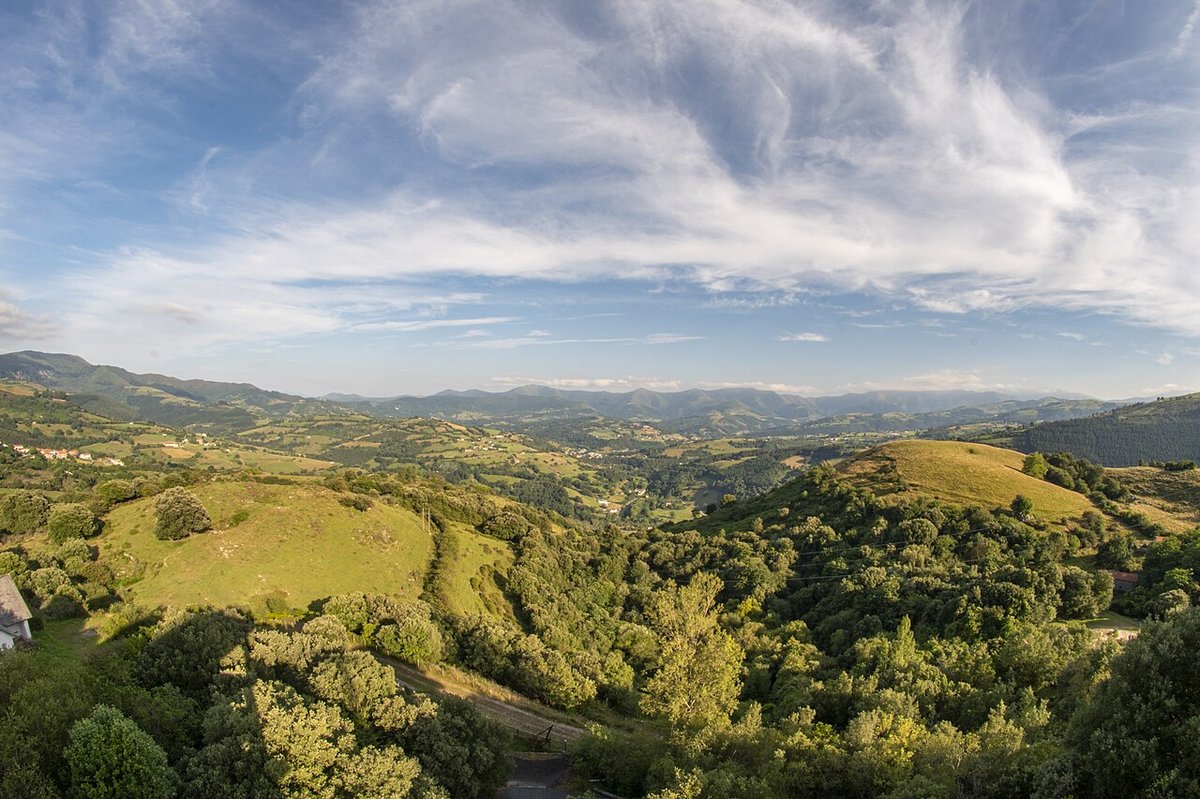
Para quien quiera madrugar, la zona alrededor de Peña Ranero ofrece otra perspectiva del Valle de Mena. En otoño pasa bastante: la niebla se posa en el fondo del valle y desde arriba parece un lago blanco. Solo los tejados de los pueblos rompen la superficie.
Por esta zona pasan varias rutas para andar o hacer senderismo (depende del día que tengas). Algunas son circulares y no especialmente largas, aunque incluyen su buena cuesta arriba igualmente. En el mapa parecen suaves; sobre el terreno hay tramos con piedra suelta donde conviene mirar dónde pisas. No es nada extremo, pero tampoco es un paseo por asfalto.
Arriba no hay servicios: ni bar, ni fuente, ni cobertura móvil fiable. Solo monte abierto, viento y los cables eléctricos cruzando la loma, que zumban los días húmedos.
Morcilla,
trucha y capón
Volviendo al nivel de mesa, la comida en Valle de Mena sigue líneas familiares. En un sitio típico del lugar es probable que haya cordero asado, morcilla con arroz, trucha del Cadagua cuando haya y queso curado de oveja.
Cada cocina tiene su manera con estos platos. Algunos cuecen tanto la cebolla dentro de la morcilla que queda muy blanda, casi dulce. Cuando viene trucha cercana, su sabor se nota distinto al criado industrialmente. Y al queso descrito como “fresco” puede llevar semanas curándose tranquilamente antes de llegar así llamado hasta tu tabla.
El capón aparece sobre todo hacia Navidad. En España esto significa un pollo criado despacio y cocinado sin prisa, con buena cantidad grasa propia. Es ese tipo plato después cual no vuelves tener hambre durante horas después terminarlo completamente satisfecho completamente satisfecho completamente satisfecho completamente satisfecho completamente satisfecho completamente satisfecho completamente satisfecho completamente satisfecho completamente satisfecho completamente satisfecho completamente satisfecho completamente satisfecho completamente satisfecho completamente satisfecho completamente satisfecho completamente satisfacecho totalmente totalmente totalmente totalmente totalmente totalmente totalmente totalmente totalmente totalmente totalmente totalmente totalmentetotalmentetotalmentetotalmentetotalmentetotalmentetotalmentetotalmentetotalmentetotalmentetotalmente...
Romerías y bandas veraniegas
La Virgen Cantonad es patrona todo territorio menés . Su ermita está monte arriba , fuera núcleos urban principales . Tradicionalmente , suben caminando desde Villasanay otros pueblos cercanos romería — mezcla devoción reunión social . Es caminata larga . Suele empezarse charla animada terminar bastante más silencio conforme pendiente aumenta .
Verano cada localidad celebra fiest propias . Algun alde pequeñas suelt vaquillas call estrechas casi camino rural . Banda municipal toca veces balcón porque plaza grande escenario falta .
Acab procesión act oficial , músicos bajan siguen tocando entre gentío . Camisas fuera pantalón , estribillo surgiendo aquí allá , niños corriendo círculos alrededor . Hay guion establecido poco ; quizás precisamente funcione así .
Valle Menano presenta grandes declaraciones . Se despliega través iglesias piedra campos , niebla transformadora paisaje comidas prefieren paciencia novedad . Entre Burg Vizc Cantabr sigue siendo sido siempre : val moldeado movimiento content mantener propio compás