Full Article
about Castilruiz
Farming village on the Moncayo foothills with open views
Hide article Read full article
A village shaped by the mountain
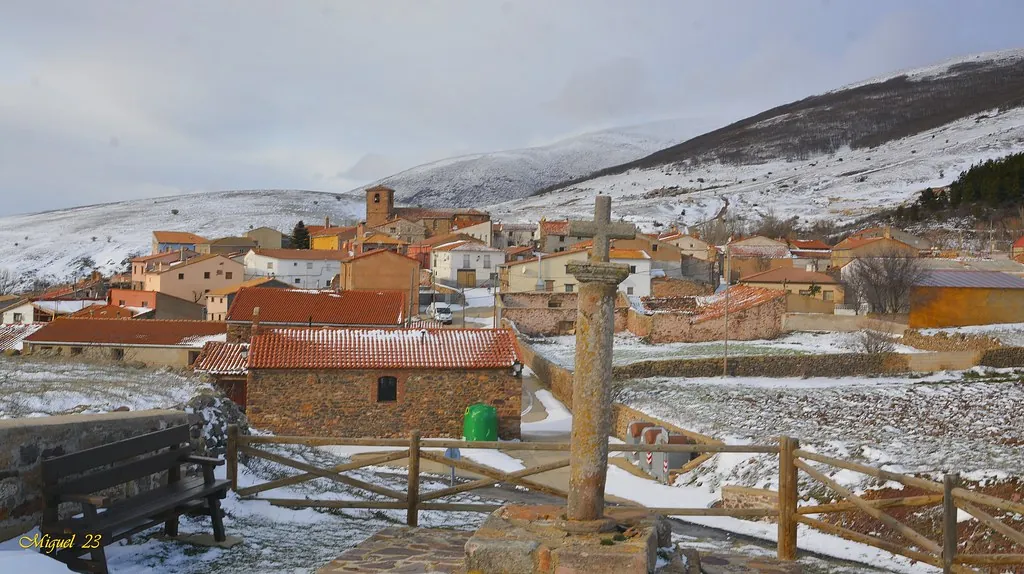
Castilruiz sits on the Soria side of the Moncayo, just over 1,000 metres above sea level. The village spreads along an east-facing slope in a corner where Castilla and Aragón almost meet, and where the mountain has long dictated how people live. With around 170 residents, it remains a small rural settlement, closely tied to farming and livestock. That connection shows in the daily rhythm and in the way the village has been built.
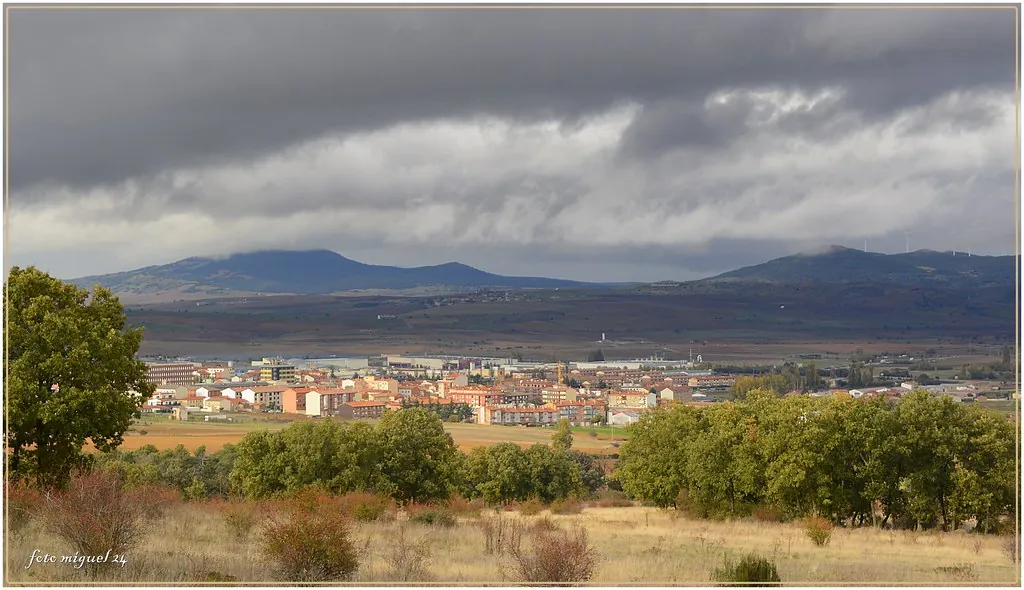
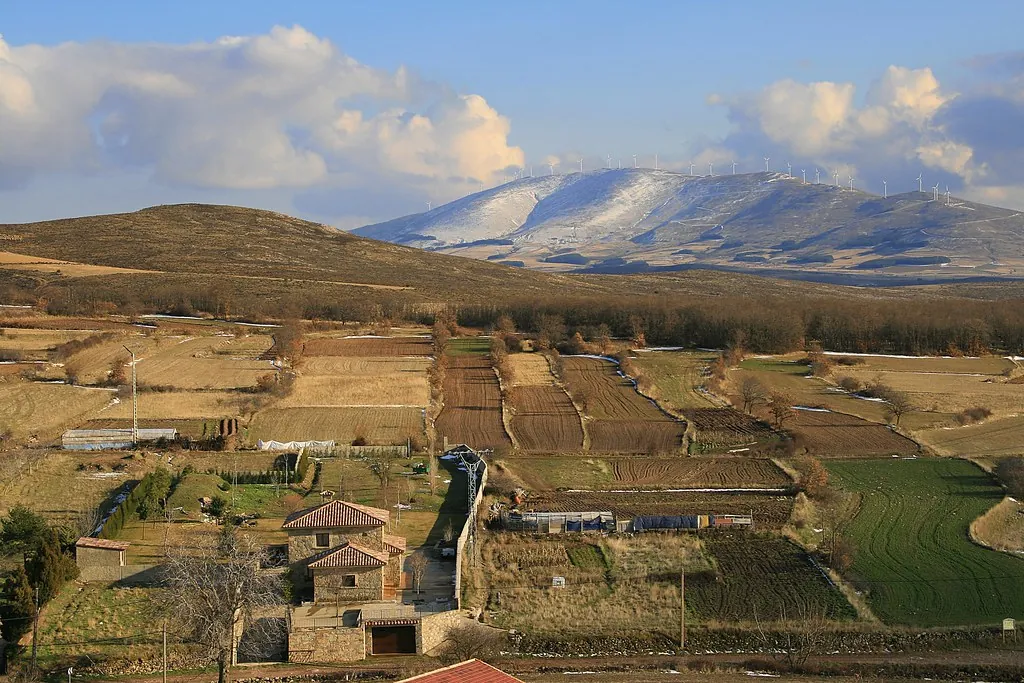
The presence of Moncayo is constant. At 2,314 metres, it is the highest peak in the Sistema Ibérico, and it defines the surrounding landscape. Pine and oak forests cover much of the nearby slopes, and from the upper streets of Castilruiz the gradual shifts in terrain are easy to read as the land rises towards the sierra. The climate is distinctly mountainous: cold winters, relatively mild summers, and a wind that is rarely absent.
Castilruiz is not a place of grand landmarks. It is best understood slowly, walking through its streets and out into its surroundings. Corrals, kitchen gardens and paths leading into the hills reflect a direct, practical relationship with the land. The agricultural landscape is still in use, rather than preserved as a relic.
Stone, slopes and everyday architecture
At the centre of the village stands the parish church of San Nicolás de Bari. The current building appears to date largely from works carried out between the 16th and 18th centuries, which is typical of many rural churches in this part of the province. Inside, a simple Baroque altarpiece remains, offering a glimpse into the continuity of religious life over generations.
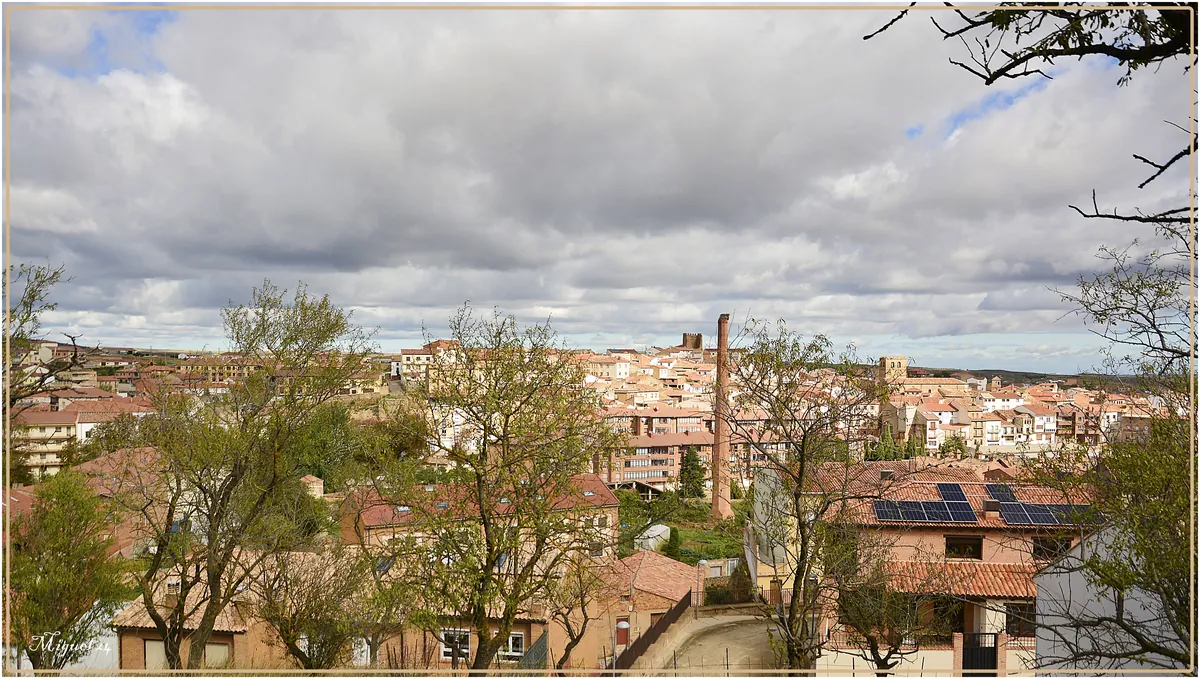
The streets follow an irregular layout, shaped by the slope rather than any formal plan. Traditional houses are built in stone, with thick walls and pitched roofs designed to withstand the harsh winters of the Moncayo. Large wooden doors can still be seen on several façades, once used to store tools or shelter animals.
Alongside these buildings are smaller features that speak of everyday routines. There are fountains, former haylofts that have been adapted to new uses, and corrals attached to homes. Taken individually, they may seem modest, but together they explain how mountain villages like this were organised and how they functioned over time.
The Moncayo landscape
One of the main reasons to come to Castilruiz is its position at the gateway to Moncayo. For centuries, this mountain has provided pasture, timber and routes linking different valleys. Many of those paths are still in use today.
Tracks and footpaths leave directly from the village, climbing through pine woods and areas of low vegetation. As the altitude increases, oak forests begin to appear, followed by more open terrain where the wind becomes a constant presence. On clear days, the views extend widely across the surrounding comarca.
The changing seasons are particularly noticeable here. In spring, the hills turn greener and streams carry more water. Autumn brings colour to the forests and draws those familiar with mushroom foraging areas. Winter often brings snow to the higher parts of Moncayo, and at times it reaches the surroundings of the village itself.
Walking the old routes
Around Castilruiz there is a network of traditional paths that have been used for generations by shepherds and farmers. Some connect with neighbouring villages, while others simply head into the hills.
Not all of these routes are signposted, so it is important to be well oriented or to consult a map before setting out. The terrain alternates between wide tracks and narrower paths that pass through pine forests and grazing land.
In autumn, it is common to see people searching for mushrooms in the nearby woods. As across the Moncayo area, this activity is regulated, and it requires a good knowledge of species. Each year there are reminders of the risks that come with confusion.
The landscape is also suitable for observing birds of prey. Griffon vultures are often seen riding thermal currents, and with some luck, larger raptors may be spotted moving across the slopes.
Food and seasonal life
In this part of Soria, traditional cooking is based on a small group of ingredients: lamb, pork from the annual slaughter, small game, and, in season, mushrooms from the pine forests. These dishes are rooted in the rural economy of the region and still appear in family meals and in some establishments in nearby villages.
Roast lamb is probably the best-known dish in the province, although more substantial stews are also common, especially during the colder months. Cured meats and morcilla, a type of blood sausage, are part of the same culinary tradition.
Patron saint festivals are usually held in summer, when many former residents return. During these days, the village regains some of the activity it had decades ago, with religious events and activities organised by local groups known as peñas.
When to go
Spring and autumn are generally the most pleasant times to explore the surroundings of Moncayo on foot. Temperatures are more moderate, and the landscape shifts noticeably in colour.
Summer is less extreme here than in other inland areas, although dry days and strong sun make early starts advisable for time in the hills. Winter is cold, and conditions can change quickly as the influence of the mountain becomes more pronounced.