Cueva de Ágreda - Flickr
Miguel. A. Gracia · Flickr 4
Castilla y León · Cradle of Kingdoms

Cueva de Ágreda

The supermarket van beeps twice at 11:02 every Tuesday and Friday, and the village swings into action. Front doors bang, carrier bags rustle, and f...

67 inhabitants · INE 2025
1301m Altitude

Why Visit

Mountain Moncayo Interpretation Center Caving

Best Time to Visit

summer

Virgin of the Mount (August) agosto

Things to See & Do
in Cueva de Ágreda

Heritage

  • Moncayo Interpretation Center
  • Bat Cave

Activities

  • Caving
  • Ascent to Moncayo

Festivals
& & Traditions

Fecha agosto

Virgen del Monte (agosto)

Las fiestas locales son el momento perfecto para vivir la autenticidad de Cueva de Ágreda.

Full Article
about Cueva de Ágreda

High-mountain town where the Queiles River rises, with direct access to Moncayo.

Ocultar artículo Leer artículo completo

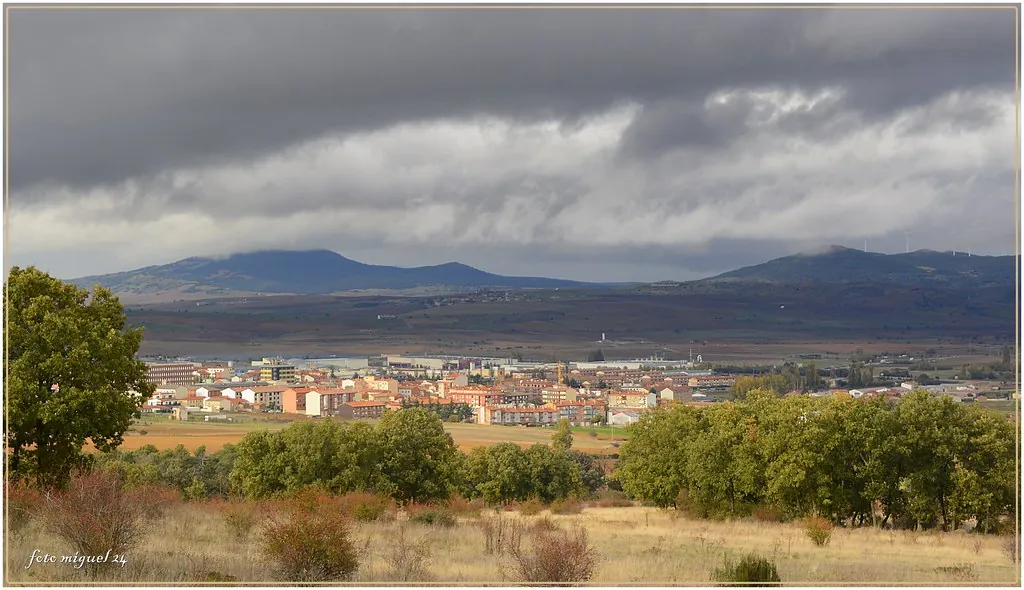
The supermarket van beeps twice at 11:02 every Tuesday and Friday, and the village swings into action. Front doors bang, carrier bags rustle, and for twenty minutes the stone alleys of Cueva de Ágreda sound almost busy. Then the van rumbles downhill towards the Queiles valley and the hush returns—broken only by the north wind rattling the TV aerials and the hourly strike of the church bell that has kept time here since the 1600s.

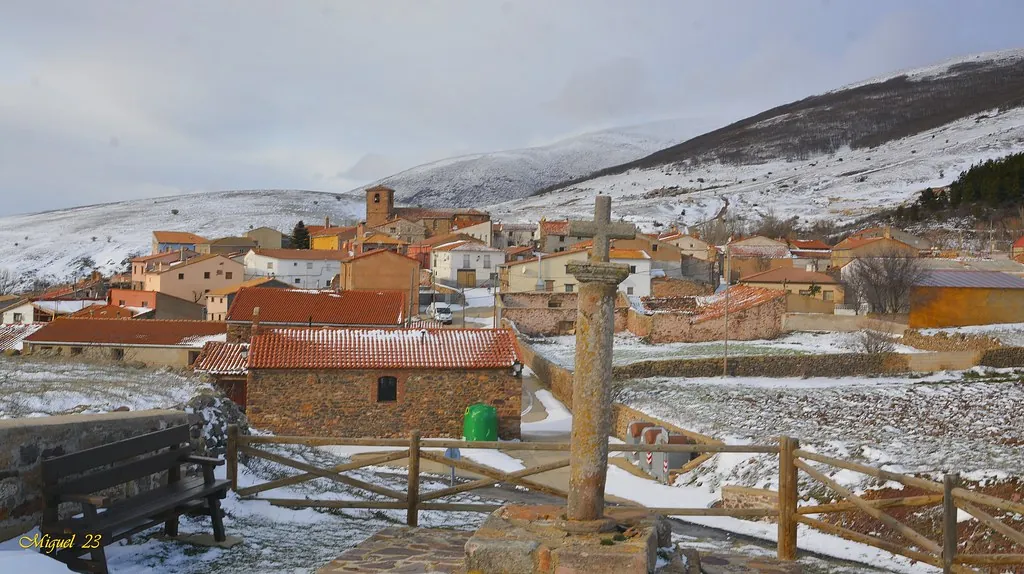
Seventy-two residents are on the padron these days, up four on 2020 because two couples from Zaragoza bought ruined cottages and fixed the roofs. Even so, Cueva remains the smallest pueblo in the Moncayo comarca, a tight grid of slate roofs clawed into the western slope of the massif. The houses are built for winter: walls a metre thick, tiny windows facing south, chimneys that smell of oak and vine shoot when the first frost hits. Frost can arrive in October and stay until late April; at 1,301 m the village sits a full five degrees cooler than the plains around nearby Tarazona. Pack a fleece even in July.

Stone, Cave and Sky

The name is literal: cuevas—natural caves—pock the limestone cliff that overhangs the upper pasture. One has been fitted out as the Centro de Interpretación del Murciélago, a tiny museum that explains why the greater horseshoe bat likes it here. English captions are patchy, but the guide (present June–September, €3) speaks enough English to answer the two questions most visitors ask: “Are they vampire bats?” (no) and “Do they fly in my hair?” (also no). The cave stays at 12 °C year-round; bring socks.

Below the cliff the village streets tilt at gradients that would shame Sheffield. The only level ten metres are around the lavadero, the communal washing trough where water runs fast enough to rinse socks if you forgot the hotel has a machine. It is still used—one glance at the worn stone shows why—and forms the social hub on summer evenings when neighbours bring chairs and a bottle of Campo de Borja garnacha. Tourists are welcome to perch; conversation is in thick Soriano Spanish but the wine is poured freely.

Architecture buffs will note the Moorish tiles on the church tower, a reminder that this was a frontier between Aragón and Castile. Inside, the single nave is plain lime-wash except for a 15th-century alabaster saint whose nose was chipped off during the Civil War. The retable is nothing special; come instead for the acoustics. When the organ strikes up for Sunday mass the sound ricochets off stone so cleanly that the priest once had the volume knob turned down after complaints in the third row.

Walking Without Waymarks

You will not find gift-shop walking maps. Routes begin where the tarmac ends: carry the free leaflet from the cave centre or download the GPS track before leaving home. The easiest circuit, the Roble Negro trail, contours through sweet-chestnut and rebollo oak for 5 km and finishes at the natural pool of Fuente de la Reina, deep enough for a swim if the snowmelt has not left it at 14 °C. Locals leap in regardless; most Brits last five minutes.

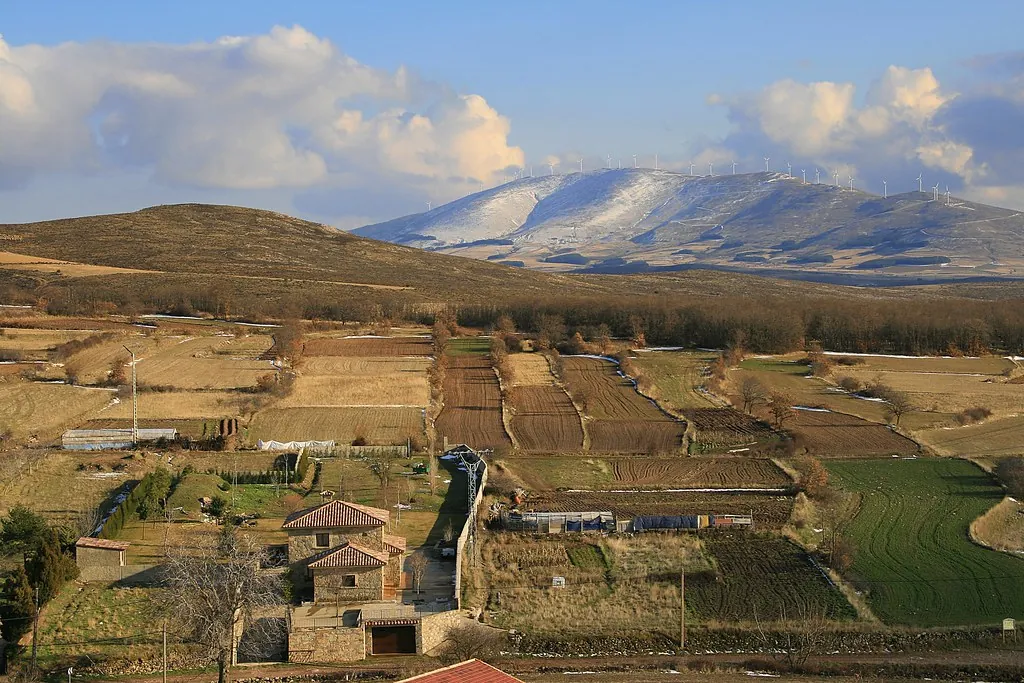
Serious boots can tackle the full Moncayo summit (2,313 m) from the village, but it is a 1,000 m pull with no café until you return. Start early—the sky stays crystal but the afternoon wind can be brutal. In May the slope is polka-dotted with purple Digitalis; by late June the same track crunches with grasshoppers and the odd adder basking on the shale. Mobile coverage is patchy: Vodafone picks up on the ridge, O2 gives up at the first pine.

Winter brings snow that may seal the road for a day or two. The council grades the asphalt up to the last farmhouse, but the final kilometre to the church is untreated. Chains are rarely needed; what you need is patience—the plough arrives when the farmer finishes his livestock. If you are renting a low-slung hatchback, park at the mirador below and walk the last 200 m. The upside is silence so complete you hear your own pulse, and night skies dark enough for Orion to cast a shadow.

What You’ll Eat—and When You’ll Eat It

There is no restaurant. The only bar, La Cantina, opens Thursday to Sunday outside July–August, and even then its hours obey the owner’s harvest schedule. Order the torreznos—inch-long strips of pork belly fried until the rind bubbles like a pork scratching that has spent time in the gym. A ración feeds two, costs €7, and arrives with a plate of local bread sturdy enough to mop the fat. Vegetarians get a plate of piquillo peppers stuffed with wild mushrooms; the flavour is autumn in a bite, though the kitchen will not mourn if you ask for the cheese plate instead.

Beer is Estrella de Galicia on tap, wine is a young garnacha drawn from a five-litre plastic container kept behind the bar. It costs €2 a glass and tastes better than it has any right to. If you want coffee after 9 p.m. you are out of luck; the machine is cleaned and unplugged once the last tractor leaves.

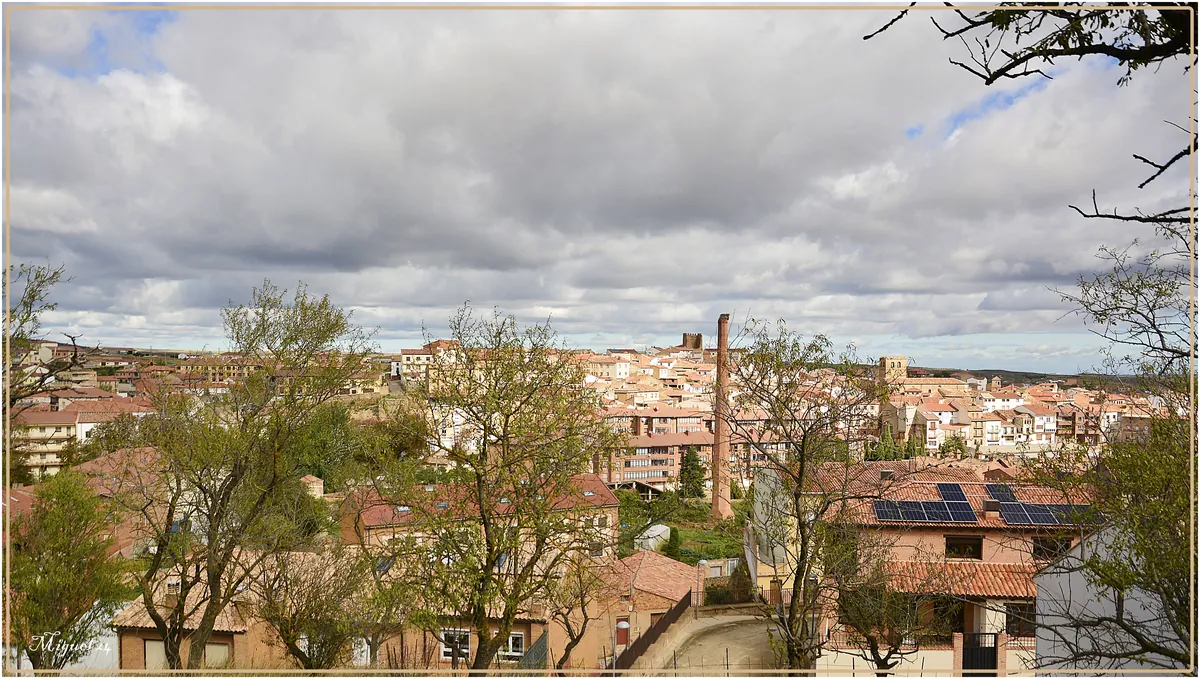
For choice, drive 25 minutes to Ágreda proper, where Mesón del Castillo grills a chuletón for two (€42) over vine shoots and serves it rare unless you specify otherwise. The same family owns the bakery—buy a wheel of cured sheep cheese (€14) before you leave; it is milder than Manchego and travels well in a backpack.

Beds, Bills and Bad Signal

Accommodation is self-catering. Three casas rurales share the village, two with wood stoves and one with under-floor heating that feels decadent at altitude. Expect stone floors, exposed beams, Wi-Fi that flickers every time the microwave starts, and a note asking you not to feed the semi-feral cats. Prices hover around €90 per night for a two-bedroom house, minimum two nights at weekends. The owners live in Tarazona; they will email a gate code and a photograph of the key box—print it, because your phone will be on one bar.

There is no cash machine. The nearest is in Ólvega, 16 km down the sinuous CL-208. The supermarket van takes cards, but the bar prefers cash and the cave centre is euros-only. Fill the tank before you leave the A-2—the village garage closed in 2011 and the pumps in Ólvega close on Sunday afternoon.

Should You Bother?

Cueva de Ágreda will never tick the “bustling market town” box. Teenagers call it boring; walkers call it tonic. If you need museums open six days a week, stop in Zaragoza. If you are happy to swap nightlife for starlight, the village repays the detour. Come in late May for the foxglove bloom, in mid-October when beech woods ignite into copper, or in deep January when snow smooths every roofline and the only sound is the church bell counting the hours you have forgotten.

Book three nights, not one—you need the second day to realise the silence is not absence but presence wearing soft shoes. And when the van toots at 11:02, be on the corner with a bag. Bread, cheese, a bottle of the local red. Enough for lunch on the ridge, where the only other customer is a red kite circling overhead, waiting for you to drop the crust.

Key Facts

Region
Castilla y León
District
Moncayo
INE Code
42073
Coast
No
Mountain
Yes
Season
summer

Livability & Services

Key data for living or remote work

2024
Housing~5€/m² rent · Affordable
Sources: INE, CNMC, Ministry of Health, AEMET

Planning Your Visit?

Discover more villages in the Moncayo.

View full region →

More villages in Moncayo

Traveler Reviews