Rio Anamaza en Devanos 2008.jpg
Manuel Lampre · Public domain
Castilla y León · Cradle of Kingdoms

Dévanos

The church bell strikes noon, yet nobody appears. At 940 metres above sea level, Devanos keeps its own timetable—one dictated by livestock, weather...

72 inhabitants · INE 2025
940m Altitude

Why Visit

Mountain Church of the Virgen del Patrocinio Añamaza Canyon Route

Best Time to Visit

summer

Virgin of Patronage (September) agosto

Things to See & Do
in Dévanos

Heritage

  • Church of the Virgen del Patrocinio
  • Palace of the Counts of Villarrea

Activities

  • Añamaza Canyon Route

Festivals
& & Traditions

Fecha agosto

Virgen del Patrocinio (septiembre)

Las fiestas locales son el momento perfecto para vivir la autenticidad de Dévanos.

Full Article
about Dévanos

Set in the Añamaza river canyon with spectacular rock scenery.

Ocultar artículo Leer artículo completo

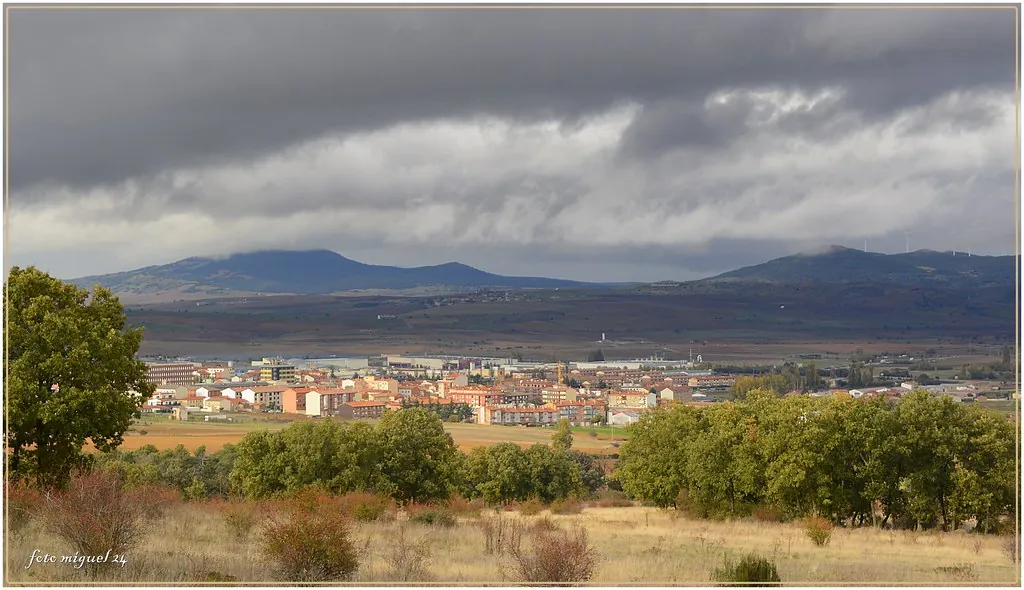
The church bell strikes noon, yet nobody appears. At 940 metres above sea level, Devanos keeps its own timetable—one dictated by livestock, weather patterns, and the seventy-odd residents who remain. The village sits on the lower slopes of Moncayo, the Iberian System's highest peak at 2,314 metres, where Castilla y León nudges against Aragón. From here, the mountain dominates every view, its bulk determining whether grapes ripen, whether roads stay open, whether young people return for Sunday lunch.

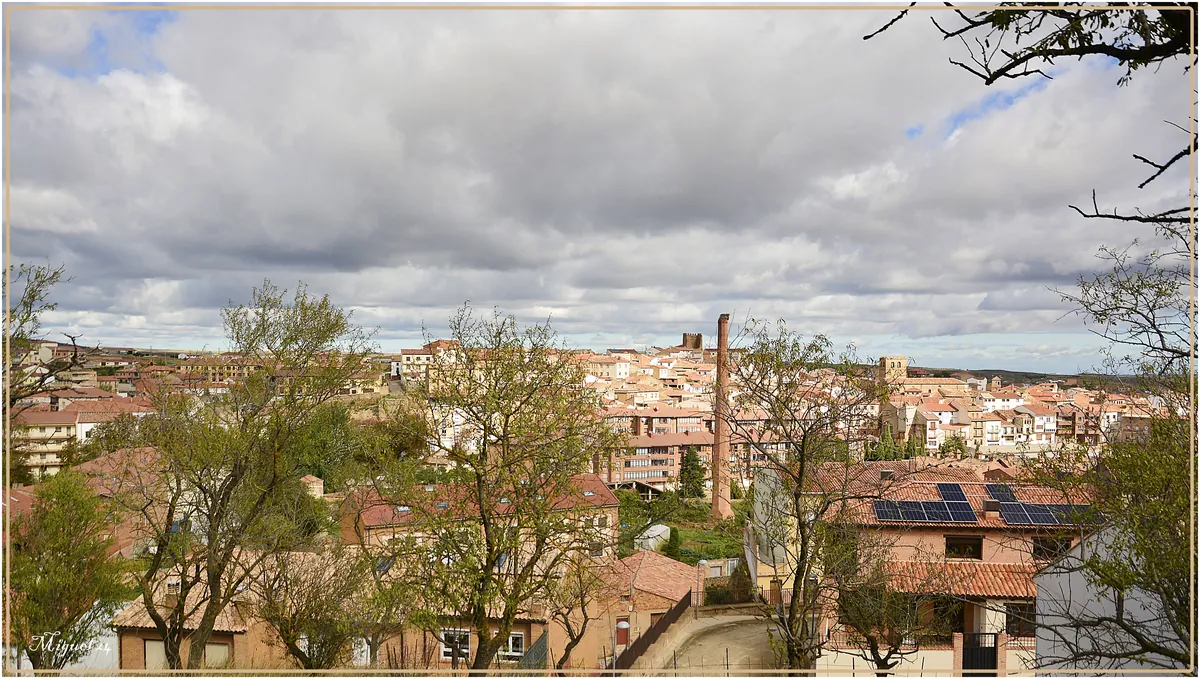
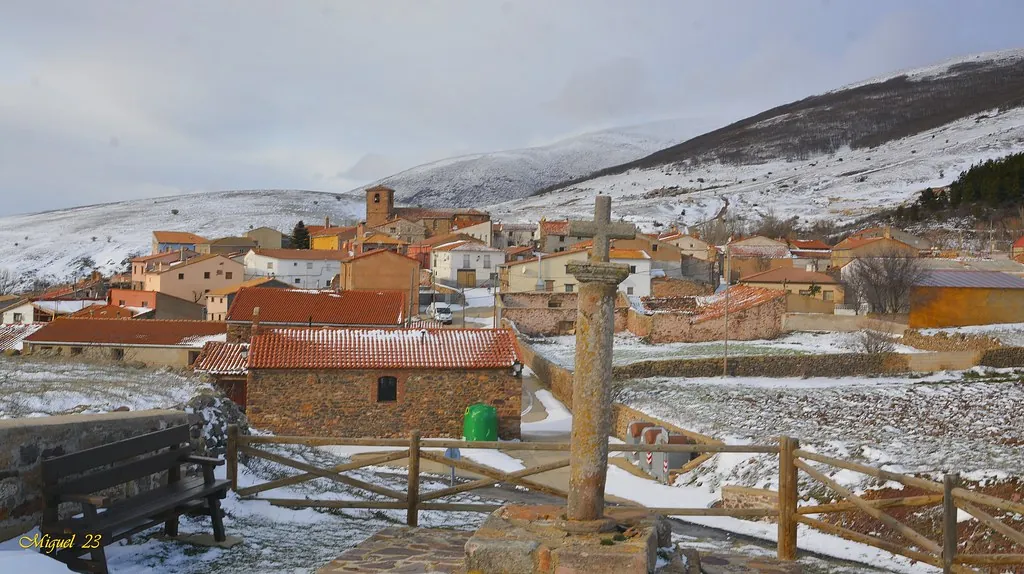
Stone houses climb the hillside at improbable angles. Their walls, thick enough to swallow mobile signals, date from centuries when builders worked with what the mountain provided. Timber doors hang slightly askew on wrought-iron hinges; terracotta roofs sag under the weight of winter snow. There's no museum, no interpretive centre, no gift shop flogging fridge magnets. Instead, the entire village functions as an open-air lesson in high-altitude survival, where every architectural quirk exists for a reason. Chimneys angle sideways to prevent downdrafts. Windows face southeast, maximum light with minimum blast. Streets—some cobbled, some compacted earth—follow goat paths older than any map.

Walking into the Sky

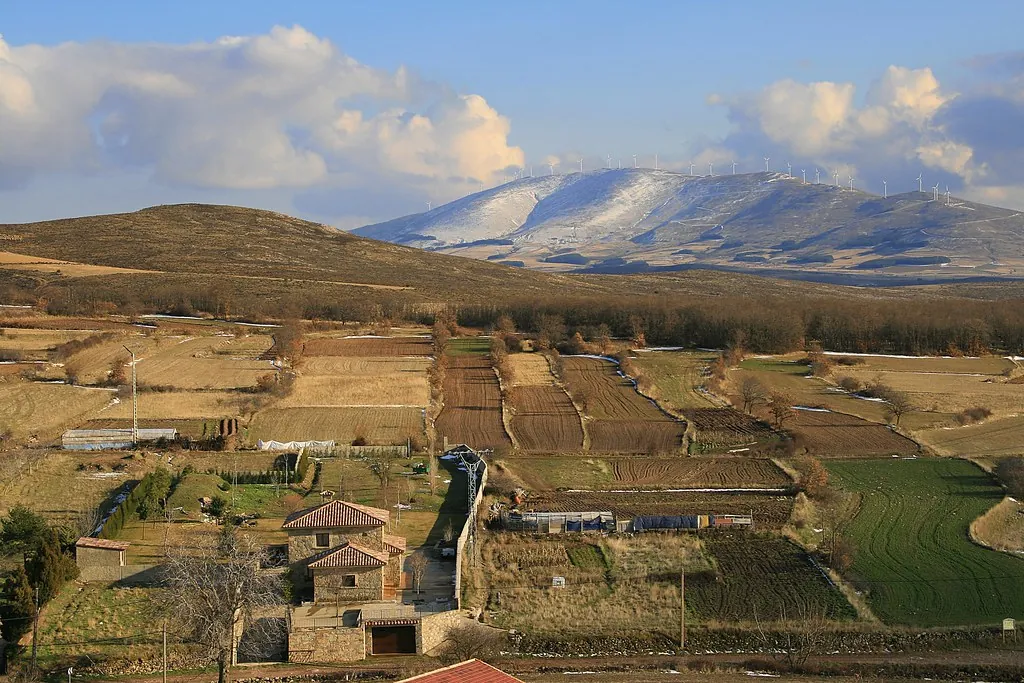
Moncayo's shadow stretches across three provinces, but its soriano flank remains largely empty. The walking starts directly from the village square, where a stone fountain trickles with meltwater. Tracks head upwards through holm oak and into beech forest, though calling them "signposted" would be generous. Yellow paint flashes appear sporadically, then vanish into undergrowth. A downloaded GPX file proves more reliable than expecting waymarks. Distances feel greater than they look: what appears a gentle ridge involves 600 metres of ascent across four kilometres. The reward is a 50-kilometre panorama taking in the Ebro Valley and, on clear days, the Pyrenees.

Summer hikers should start early. By 11am thermals rise from the valleys, carrying buzzards and the occasional griffon vulture at eye level. Autumn brings mushroom hunters who guard territory like Prospectors. Winter transforms the mountain entirely; snow can fall from October to May, and the access road from the N-122 receives only sporadic ploughing. Spring arrives late—wildflowers don't appear until May—but when they do, the slopes erupt with orchids and wild daffodils. Whatever the season, pack layers. Mountain weather shifts within minutes; locals claim Moncayo makes its own clouds.

What Passes for Entertainment

Evenings centre on the Bar Plaza, the village's single drinking establishment. It opens when the owner's television schedule permits, which roughly translates to 8pm weekdays, 7pm weekends, never Monday. Inside, hunting trophies stare down from nicotine-stained walls. The menu offers what the owner shot, supplemented by tinned seafood and tortilla. A caña costs €1.20; payment goes in an honesty box when he's busy grilling. Conversation flows easily if you speak Spanish; attempts at English receive polite nods before the speaker turns back to the football.

Food elsewhere requires forward planning. The nearest supermarket sits 18 kilometres away in Ágreda, a medieval town worth combining with provisions. Local specialities arrive seasonally: wild boar stew in winter, milk-fed lamb in spring, migas—fried breadcrumbs with chorizo—when the bread goes stale. The village matanza still happens each January; families slaughter a pig collectively, sharing cuts according to ancient hierarchies. Visitors staying in self-catering accommodation might find anonymous packages of morcilla hanging on their door handles—gifts from neighbours who remember British tastes run to black pudding.

The Politics of Emptiness

Devanos embodies Spain's demographic crisis with brutal honesty. The school closed in 1998; the last birth recorded was 2012. Yet abandonment hasn't erased community. WhatsApp groups coordinate everything from doctor visits—Tuesday mornings only—to bulk petrol purchases. The ayuntamiento in nearby San Pedro maintains a small budget for cultural events that mostly involve showing vintage films on a bedsheet screen. August's fiestas draw descendants back; population swells to perhaps 200 for three days of brass bands and communal paella. Houses sell for sums that wouldn't buy a London parking space, but buyers must prove residency intentions. The village wants inhabitants, not holiday homes.

This creates a particular visitor dynamic. Tourists arrive seeking solitude, then discover they're participating in an ongoing experiment about rural survival. Walking past abandoned houses with collapsing roofs feels voyeuristic until locals explain which ones await returning grandchildren. The British habit of photographing "quaint decay" meets Spanish pride; ask before pointing cameras at inhabited properties. Most residents appreciate economic input—buying bread from the mobile baker's van, drinking cañas—provided visitors recognise this isn't a heritage theme park but someone's actual life.

Getting There, Staying Put

The drive from Madrid takes two hours forty minutes via the A-2 and N-122, though the final 12 kilometres twist through pine forest where GPS signals die. Car hire essential; public transport doesn't reach closer than Ágreda, and taxis refuse the return journey without pre-booking. Winter tyres become necessary from November onwards; the mountain road ices quickly and the village maintains grit supplies for residents first. Summer visitors face different challenges: parking outside the church accommodates eight cars maximum, after which you're blocking someone's grandfather's gate.

Accommodation options remain limited. One casa rural occupies a renovated stable; it sleeps six across three bedrooms, underfloor heating throughout, €90 nightly with two-night minimum. Booking requires emailing the owner, who responds within 48 hours if her daughter remembers to charge the smartphone. Alternative bases lie 33 kilometres distant in Tudela, Navarre, where chain hotels cater to wine-route tourists. Staying there means losing the mountain nights though—when Moncayo blocks artificial light and stars appear in concentrations most Brits last saw on Greek islands before cheap flights.

When to Cut Your Losses

Devanos rewards particular temperaments. Come seeking nightlife and you'll drive 40 minutes to Soria, watch teenagers circle the plaza on mopeds, then drive back. Expect Instagram moments and you'll photograph mostly sky. The village suits those comfortable with their own thoughts, who find satisfaction in identifying boot prints—wild boar, deer, human with worn heel—and who don't mind restaurants where the menu depends on what froze last winter. Rain lasts days here; fog can swallow the village for weeks. Mobile reception requires standing in the church porch, left foot slightly forward, patience of a saint.

Yet on clear evenings when the setting sun paints Moncayo pink, when swifts dive between houses and somebody's radio plays flamenco across the valley, Devanos offers something increasingly rare: landscape without interpretation. No audio guides explain how shepherds once lived; the shepherd still does, though now he drives a 4x4 and sells cheese online. The mountain remains indifferent to human dramas of departure and return, continuing its slow geological shrug while generations negotiate what it means to belong somewhere altitude makes difficult. Whether that's enough depends entirely on what you're running from, and whether silence feels like absence or space.

Key Facts

Region
Castilla y León
District
Moncayo
INE Code
42075
Coast
No
Mountain
Yes
Season
summer

Livability & Services

Key data for living or remote work

2024
Housing~5€/m² rent · Affordable
Sources: INE, CNMC, Ministry of Health, AEMET

Official Data

Institutional records and open data (when available).

  • CASTILLO DE DEVANOS
    bic Castillos ~0.6 km
  • CASTILLO DE AÑAVIEJA
    bic Castillos ~3.4 km

Planning Your Visit?

Discover more villages in the Moncayo.

View full region →

More villages in Moncayo

Traveler Reviews