Full Article
about Fuentestrún
Village with a tradition of dance and stick-clacking at the foot of Moncayo
Hide article Read full article
Fuentestrún: un pueblo de piedra en la frontera del Moncayo
Fuentestrún se encuentra en la vertiente soriana del Moncayo, por encima de los mil metros de altitud. Tiene unos cincuenta habitantes, una cifra que lo mantiene dentro del patrón de poblamiento disperso y ganadero que durante siglos definió esta parte de la meseta.
Su posición geográfica explica buena parte de su carácter. El pueblo está cerca del límite natural donde confluyen Castilla y León, Aragón y La Rioja. Estas sierras funcionaron históricamente más como corredor y frontera que como centro, y esa sensación de estar al borde de varios territorios aún se percibe en el paisaje.
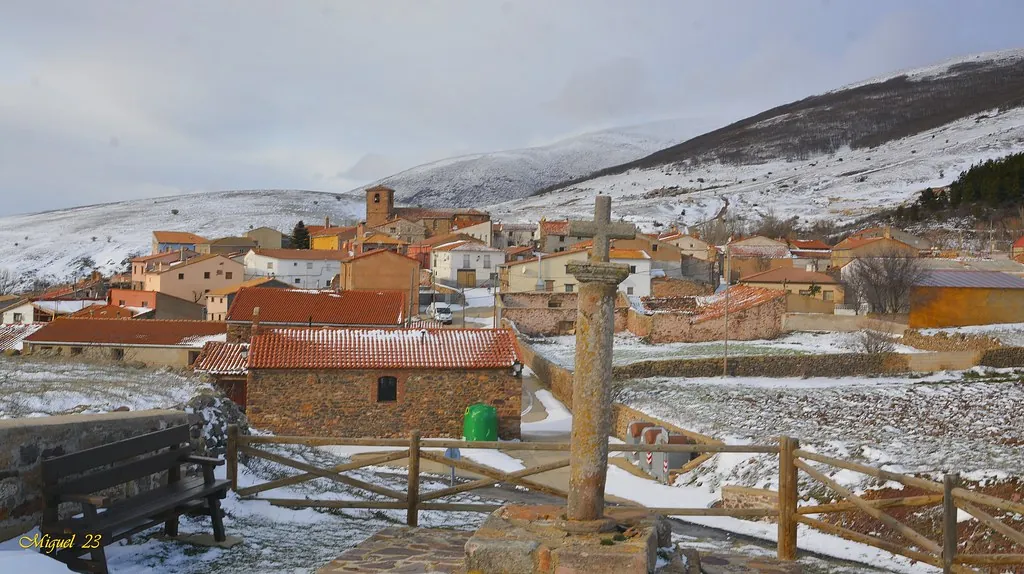
La arquitectura responde a una práctica local de siglos. Las casas son de piedra de la zona, con muros gruesos y tejados a dos aguas pensados para soportar los inviernos a esta altura. En algunas viviendas se conservan los corredores de madera, una solución constructiva típica de los pueblos de montaña que servía para secar productos o proteger la entrada de la nieve.
En el centro del caserío está la iglesia de Santa María Magdalena. La estructura actual parece asentarse sobre una base del siglo XVI, con reformas posteriores, un proceso habitual en las iglesias rurales que se fueron modificando según las necesidades y los recursos. Es un edificio sobrio, acorde con la escala del pueblo, que sigue marcando el centro de la vida cotidiana y el trazado de las calles.
Fuentestrún se recorre en poco tiempo. Su interés no está en monumentos aislados, sino en la continuidad que se observa entre las construcciones, el terreno y los ciclos agrarios.
Paisaje, bosques y la sombra del Moncayo
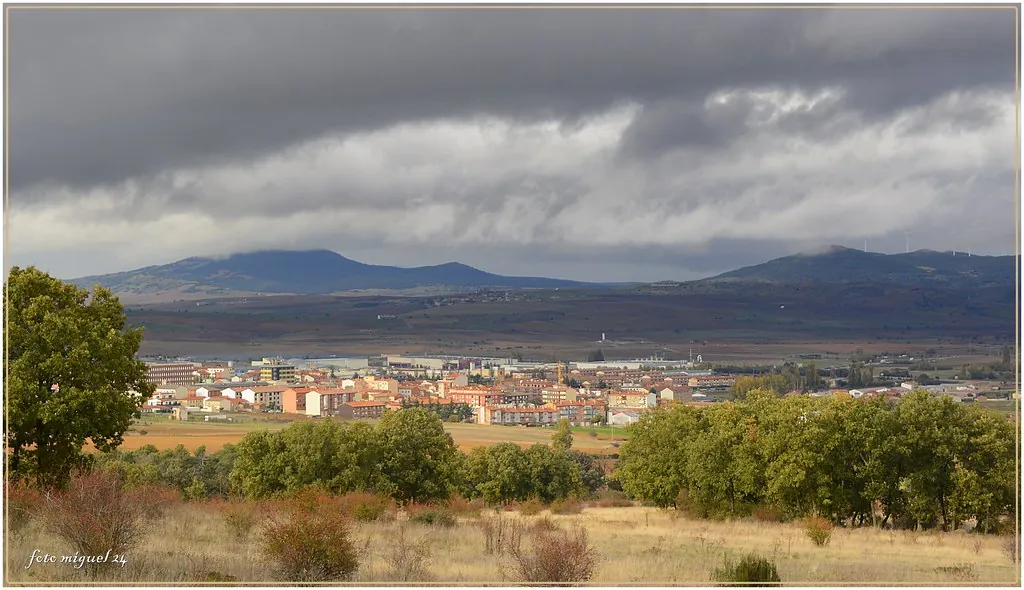
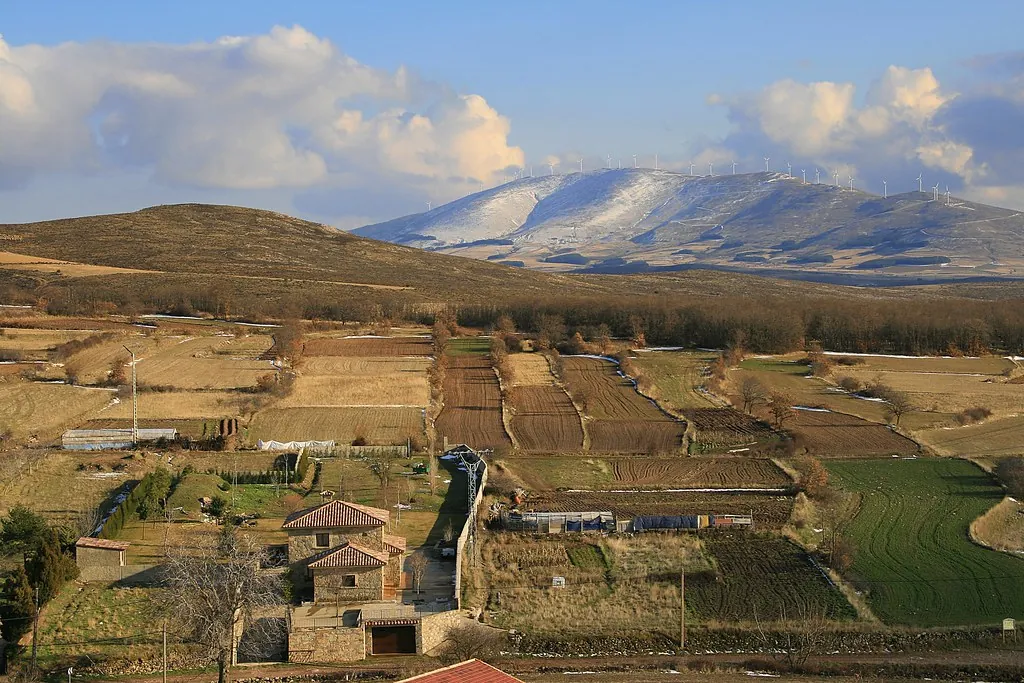
El terreno alrededor de Fuentestrún es el del Moncayo soriano. Las laderas tienen robles y quejigos, con zonas más secas de encina, y hay amplios claros donde se mantiene el pasto para el ganado. No es un paisaje alpino en el sentido dramático, pero resulta inmediatamente reconocible para quien conozca esta franja de Castilla.
Varios caminos agrícolas salen del pueblo y se abren hacia el campo. Durante décadas, los pastores y los vecinos los usaron para moverse entre las tierras de labor, los bosques y las localidades cercanas. No todos están señalizados; conviene llevar mapa o GPS si se quiere explorar con calma. Aun así, muchos trazos son claros en el terreno y siguen líneas lógicas marcadas por el uso prolongado.
La fauna es la propia de estas sierras. Es posible ver corzos al amanecer, los jabalíes se mueven por las manchas más espesas de bosque y las aves rapaces aprovechan las corrientes del Moncayo. En otoño, aparecen setas en los robledales. Para la gente del lugar, su recogida siempre ha dependido de un conocimiento transmitido por la experiencia, no del azar.
El Moncayo domina el horizonte norte. Desde las afueras del pueblo, su perfil es nítido y da la medida de la comarca. La presencia constante de la montaña condiciona tanto el tiempo atmosférico como la manera de percibir el territorio. Incluso en un día cualquiera, su silueta ordena la vista y sirve de referencia.
Este es un paisaje en uso, donde el pasto, el bosque y los caminos aún cumplen una función práctica. La conexión entre el pueblo y el entorno es directa, sin mucha separación entre el espacio habitado y el campo abierto.
Los ritmos del año
Las fiestas patronales suelen celebrarse en verano, cuando muchos antiguos residentes regresan a Fuentestrún desde otros lugares. Durante gran parte del año la población es reducida, así que la llegada de familias y vecinos cambia notablemente el ambiente.
Los actos son sencillos y tienen raíz en la tradición local. Incluyen eventos religiosos, comidas compartidas y largas conversaciones en la calle. En un pueblo de este tamaño, la diferencia entre una semana tranquila y una festiva es notable. El espacio público se llena, y la vida social que antes definía la existencia cotidiana recupera brevemente su intensidad.
Como en buena parte del Moncayo soriano, la vida tradicional ha estado ligada a la tierra y al ganado. Las labores del campo y la trashumancia marcaban el calendario anual. Costumbres como la matanza —el sacrificio tradicional del cerdo en invierno que proveía de carne conservada para meses— o las salidas otoñales a los montes forman parte de la memoria local y, en algunos casos, se mantienen. Su importancia económica ha disminuido, pero su peso cultural perdura dentro de la comunidad.
Estos ciclos ayudan a entender la estructura del pueblo y sus costumbres. Las construcciones, los almacenes e incluso los corredores de madera de algunas casas responden a formas de trabajo que dependían de las estaciones, del tiempo y de la autosuficiencia.
Una pausa tranquila en la comarca
Fuentestrún no es un lugar que requiera un día completo de visita. Funciona mejor como una parada sosegada dentro de una ruta más amplia por los pueblos del Moncayo soriano. El interés está en observar cómo un asentamiento pequeño sigue ocupando su huella histórica con pocas alteraciones.
Quien venga debe hacerlo sin esperar muchos servicios. La escala del pueblo limita lo disponible. A cambio, el entorno es notablemente silencioso y el cielo nocturno suele estar despejado, algo cada vez menos común en muchas zonas de la península.
El silencio aquí tiene una cualidad particular. Sin tráfico denso ni urbanización extensa, los sonidos se transmiten de otra manera: el viento sobre el pasto, el ganado a distancia, algún movimiento ocasional por un camino. De noche, la ausencia de contaminación lumínica hace que el cielo destaque con nitidez sobre los tejados y la línea oscura del Moncayo.
Fuentestrún refleja una forma de vida condicionada por la altitud, la geografía fronteriza y una larga dependencia de la agricultura y la ganadería. Su iglesia de Santa María Magdalena fija el centro, sus casas de piedra hablan de inviernos rigurosos y sus caminos se prolongan hacia bosques y pastos que aún cumplen una función práctica. Para quien recorra Castilla y León cerca del punto donde confluye con Aragón y La Rioja, supone una pausa medida y una visión directa de cómo han persistido estos pueblos de montaña.