Full Article
about Matalebreras
Historic crossroads with heraldic houses and a medieval tower
Ocultar artículo Leer artículo completo
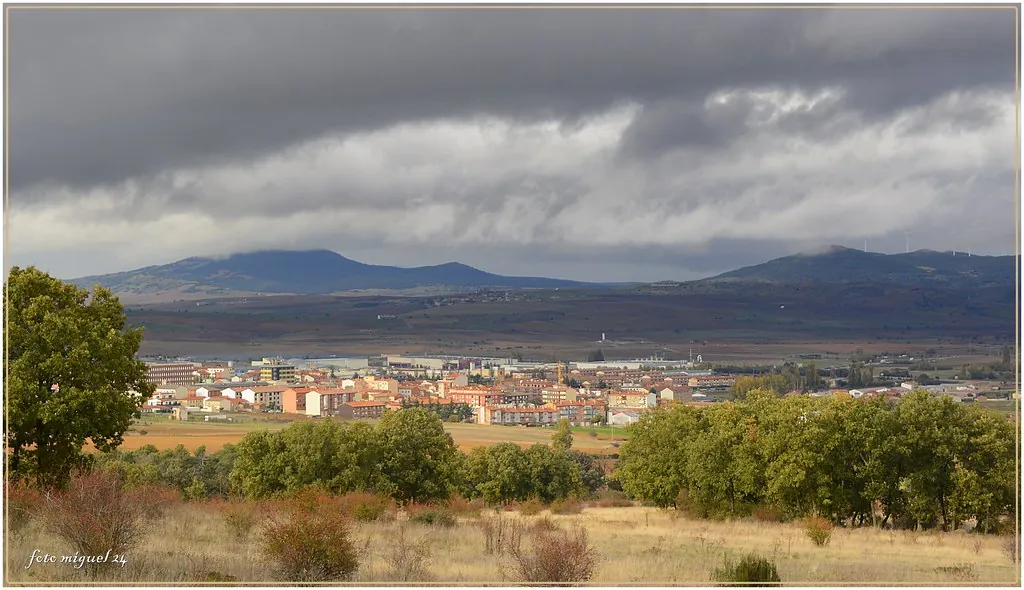
The church bell tolls twice at noon, yet nobody hurries. A farmer in a blue boiler suit leans against a stone wall, rolling a cigarette while his sheep wander past the 16th-century portico of San Pedro. This is Matalebreras, population seventy-three, perched at 965 metres on the southern lip of the province of Soria. From here the land drops away in wheat-coloured waves towards the Duero, and the hulking silhouette of Moncayo – at 2,314 metres the highest mountain in Iberia’s eastern cordillera – fills half the sky.
Most motorists thunder along the N-122 forty kilometres to the north, bound for Zaragoza or the Costas. Those who peel off at the Ólvega junction discover a grid of four streets, two barns, one church and no shop. What the village lacks in monuments it returns in space: the square feels bigger than the electorate, and the horizon keeps retreating the farther you walk.
Stone, Slate and Silence
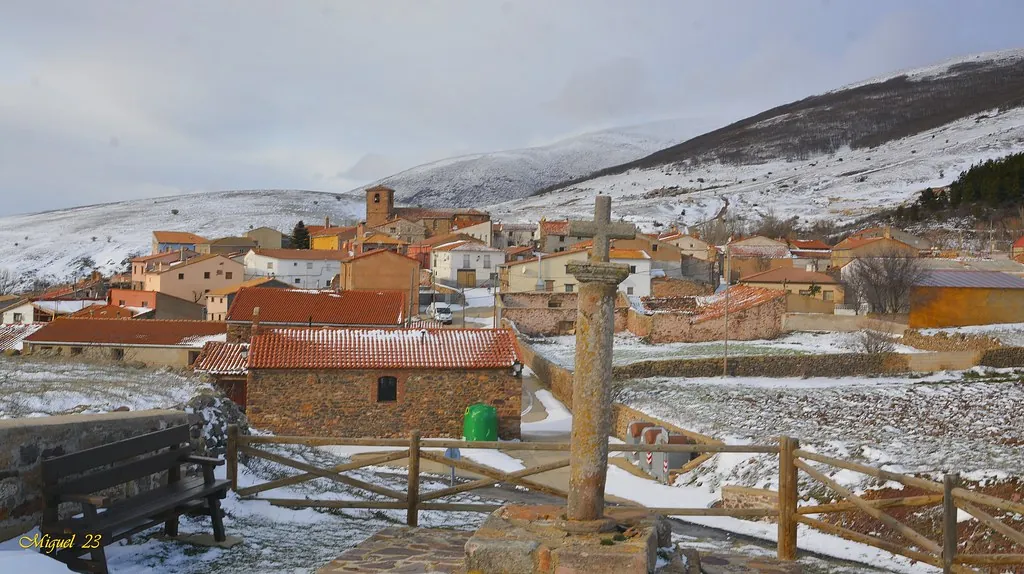
Houses here were built to outlast their builders. Chunky quarried limestone, Arabic tiles the colour of burnt toast, timber doors barely wide enough for a modern car. Corrugated-steel grain stores balance on stilts above the street, a reminder that grain, not tourists, once paid the bills. Inscriptions carved in 1889 still mark one lintel; another reads “Ave María” in letters eroded to a whisper. The overall palette is biscuit and rust – no whitewash, no geraniums, none of the Andalucian theatre British visitors half expect. Instead there is wind, and the smell of wet earth after rain.
Phone reception flickers in and out like a bad lightbulb. Download an offline map before you leave Soria city, because Google’s blue dot will spend most of the day guessing. Cash is equally capricious: the nearest ATM is twenty minutes away in Ólvega, so fill your pocket with coins if you want coffee in the next village.
Walking the Borderlight
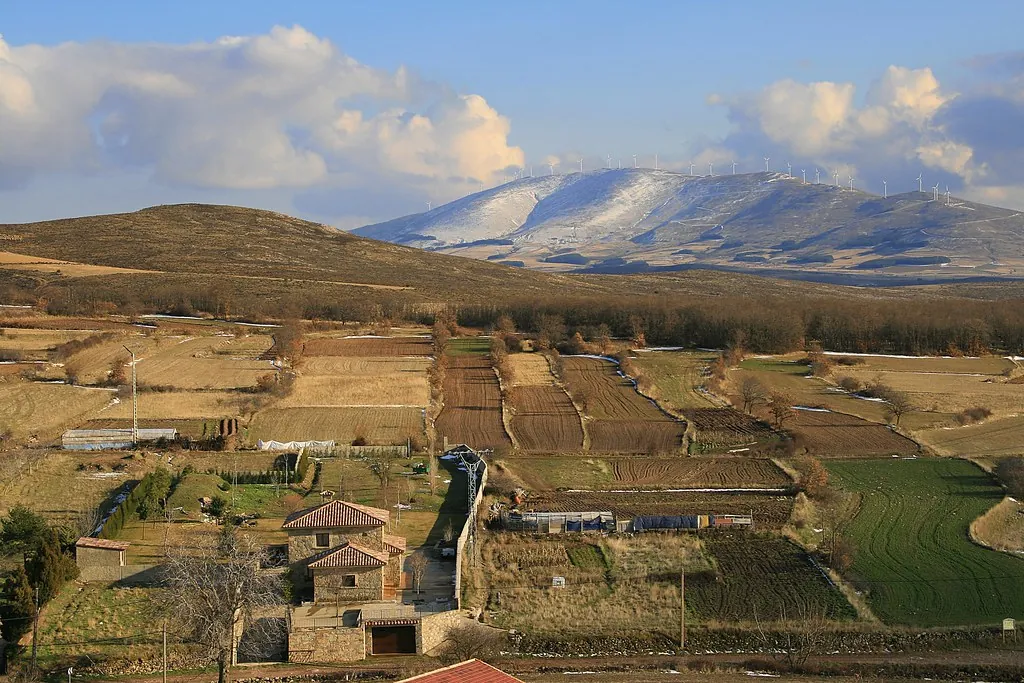
Matalebreras sits on the old fault line between Castile and Aragón, and the paths still behave like frontier tracks. They snake off between cereal plots, then dissolve into scrub oak without warning. A thirty-minute loop south of the church keeps you on wide farm tracks and delivers views across the pancake-flat Aragonese plain; if Moncayo is wearing its winter coat of snow, the contrast is almost absurd. For something longer, follow the signed footpath towards the ruined watchtower of La Castilleja – three kilometres of gentle climb, then a scramble through boulders the size of garden sheds. From the summit you can pick out the slate roofs of your starting point, no bigger than a Monopoly house.
Spring arrives late at this altitude; crocuses appear in April, and the wheat stays green until mid-May. September is the sweet spot: mornings crisp enough for a fleece, afternoons warm enough to eat outside. August belongs to the fiestas – Virgen del Rosario on the 14th, San Roque on the 16th – when the population quadruples with returning emigrants and their Manchester-registered cars. Expect a paella the diameter of a satellite dish, plus brass-band rehearsals that echo off the church walls until two in the morning. After the 18th the village exhales and goes back to sheep.
What Passes for Gastronomy
There is no restaurant, no pintxos trail, no Michelin wish-list. Self-catering is the norm, and the local casa rural will stock the fridge if you WhatsApp a list the day before. Breakfast tends to be Soria bread – a dense, thick-crusted loaf – plus local honey and olive oil pressed in Tarazona. For lunch you drive to Ólvega, where Bar Emilio serves a three-course menú del día for €12 including wine. Order the garlic soup first: it arrives scalding, capped with a poached egg and shards of jamón, and tastes like something a Spanish grandmother would prescribe for a chest infection. Lamb is the regional obsession; the chops are small, sweet and usually grilled over vine cuttings, giving them a faint smoke that lingers on your jacket all afternoon.
If you prefer to cook, stock up in Soria city before you arrive. The Saturday market in Plaza de San Agustín sells pimientos del piquillo, river eels from the Duero and thick white beans that demand eight hours of gentle simmering. Pair them with a bottle from the nearby DO Arlanza and you have a dinner that costs less than a London sandwich.
A Room with No Postcard
Accommodation is limited to two rural houses, both converted farmsteads. The better known, El Gato Encantado, keeps its original threshing floor and a stone manger now filled with garden tools rather than oats. British guests praise the underfloor heating and the host’s tolerance of muddy dogs, though language is patchy. Download a translation app and be prepared to act out “Where can I buy chorizo?” with hand gestures. Prices hover around €90 per night for the whole house in low season, rising to €140 during fiesta week. Either way, you will probably be the only guests.
Check-out time is negotiable. The owner once admitted he had no bookings the following day, then offered a cup of coffee and a demonstration of how to light the wood-burning stove without smoking out the bedroom. Such moments matter more than thread-count.
When to Cut Your Losses
Matalebreras will not entertain anyone who needs constant stimulation. If the wind is from the north the temperature can drop ten degrees in an hour; if the harvest is late, tractors kick up dust that gets in your eyes and your camera. There are no museums, no gift shops, no boutique olive-oil tastings. Nightlife is whatever you bring with you, plus the occasional owl.
Yet the village excels at subtraction: fewer people, less noise, almost no light pollution. On a clear winter evening you can stand in the middle of the lane and see the Orion Nebula without squinting. The silence is so complete you start to hear your own pulse. For travellers who measure value in breathing space rather than box-ticked sights, that may be worth the detour. Fill the tank, pack walking boots and a sense of temporal elasticity, then drive south until the meseta breaks and Moncayo fills the windscreen. Just remember to top up the cash in Soria – the sheep don’t take cards.