Full Article
about Noviercas
Town linked to Bécquer with an Arab tower and a museum
Hide article Read full article
Some villages grab your attention in five seconds flat. Noviercas does not work like that. Tourism in Noviercas feels more like arriving at a friend’s house in the countryside: at first everything seems almost too quiet, nearly empty. After a while, details begin to stand out.
The village sits in the province of Soria, in the comarca of Moncayo, more than a thousand metres above sea level. The wind here is not poetic exaggeration. It leaves its mark on worn façades, heavy doors and streets that rise and dip without much logic. Noviercas has just over a hundred inhabitants and it shows. There is silence, only a handful of cars and a great deal of sky.
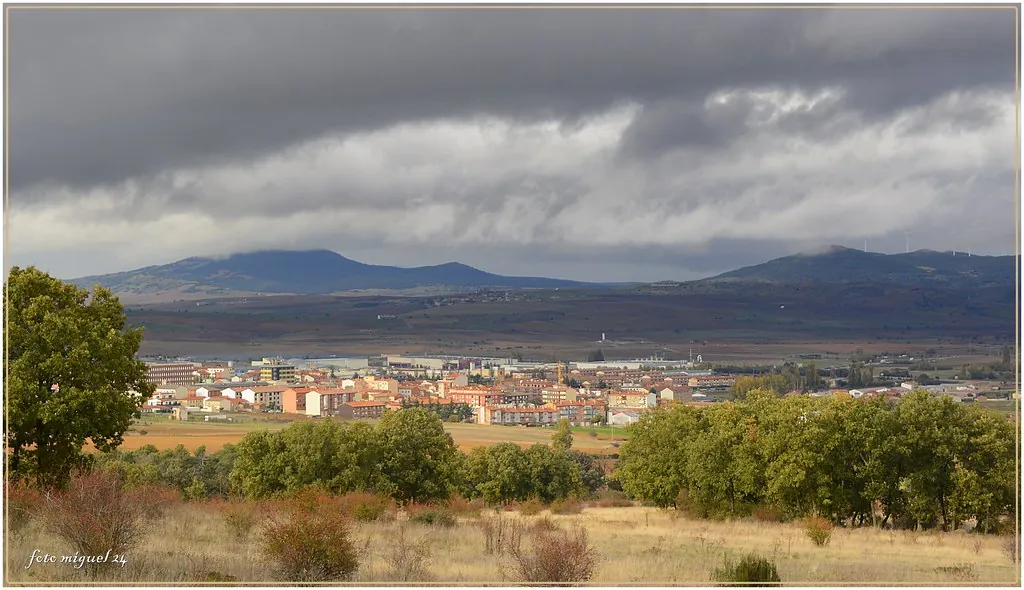
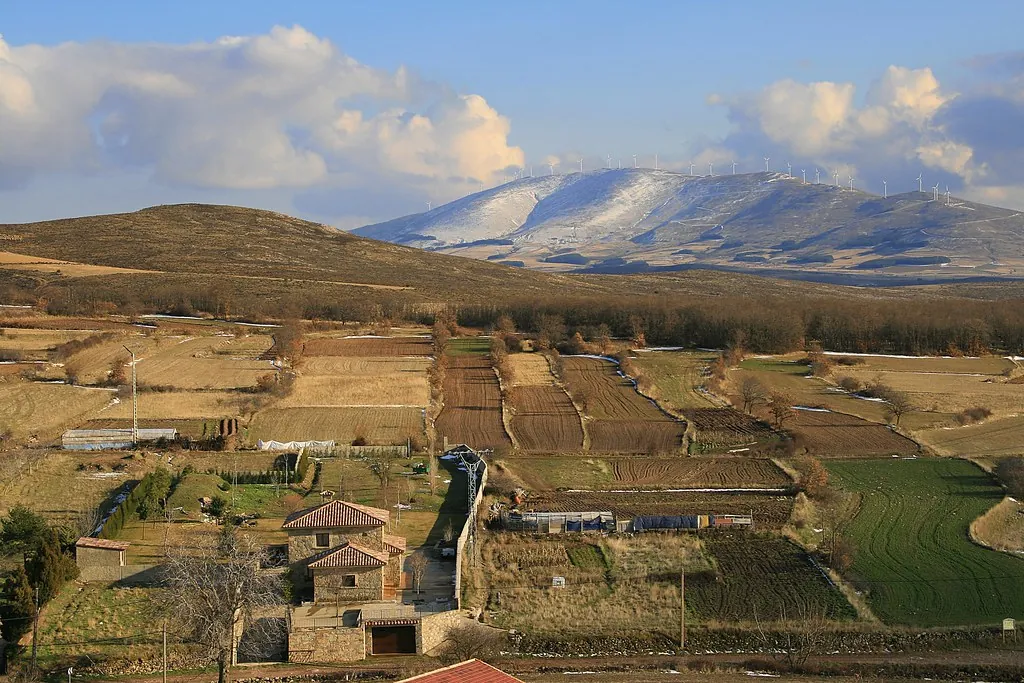
Cereal fields dominate the surroundings. Depending on the month, the landscape shifts as though someone has adjusted the colour settings: green in spring, golden when summer tightens its grip, brownish tones towards the end of the year. On clear days, Moncayo appears on the horizon, sharply outlined in the distance.
The church and the small heart of the village
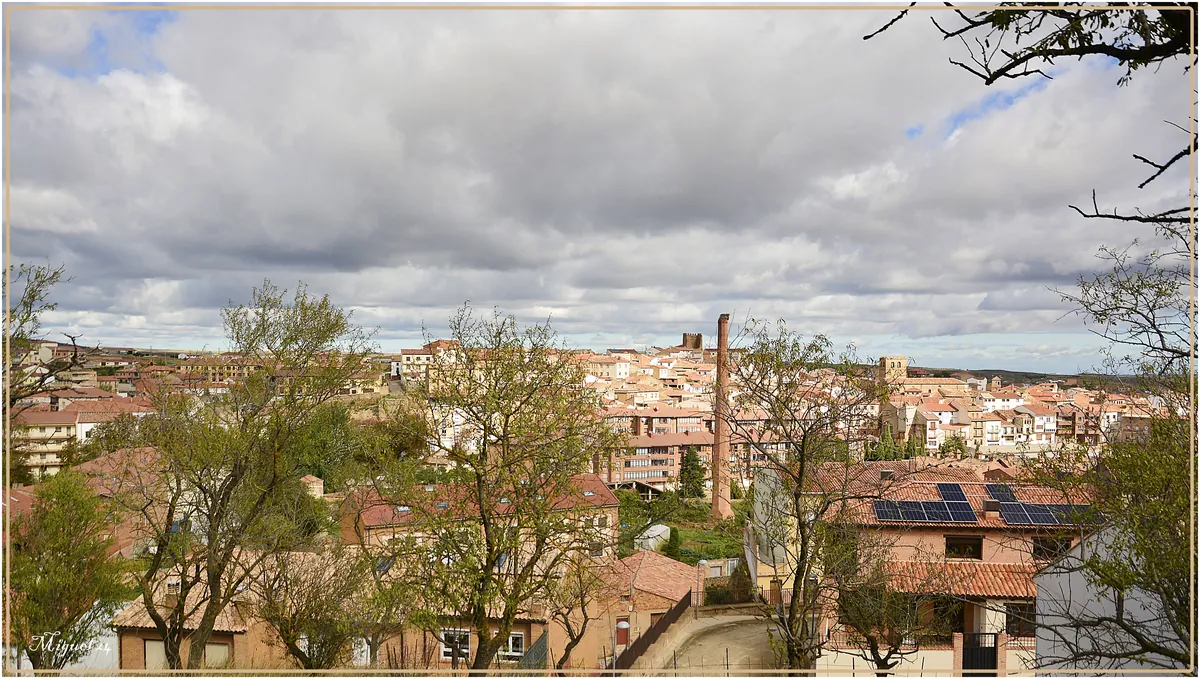
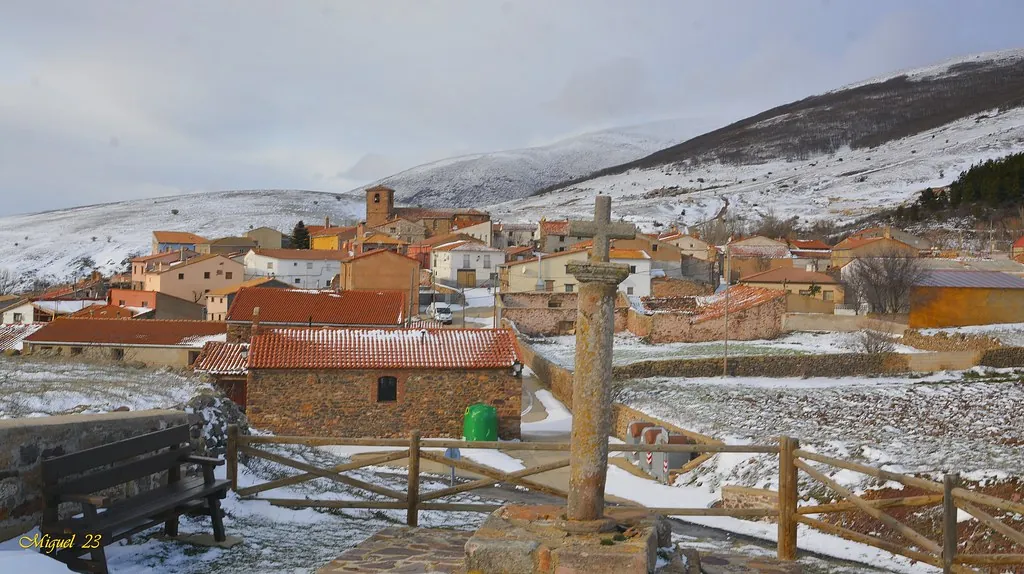
Life in Noviercas revolves around the square and the parish church. The building has medieval origins, although it has clearly undergone several alterations over time. Its tower is the first thing you notice on entering the built-up area and acts as a natural point of reference.
Around it stand a number of older houses, with thick stone walls and small windows typical of this part of Castilla y León. This is not architecture designed for display; it is architecture built to endure long winters. When temperatures drop and smoke starts rising from chimneys, it becomes easier to imagine what daily life here was like a few decades ago.
Not everything has been restored. Some houses remain closed, walls show the passage of time and large wooden doors have not been opened in years. That roughness forms part of the character of the place.
There are also wine cellars dug into the rock or set into small hillsides. Traditionally they were used to store wine or preserve food, as they maintain a very stable temperature. Some are still used today for family gatherings or meals with friends.
Walking the tracks around Noviercas
For those who enjoy walking without much planning, the area around Noviercas suits that approach. There are no dramatic ascents or technical mountain routes. Instead, you find agricultural tracks and old drovers’ paths that connect fields and nearby hamlets.
It is the sort of walk where you leave the village, continue for half an hour and hear nothing but the wind and perhaps a tractor somewhere in the distance.
From several points there are clear views of Moncayo, which forms a constant backdrop. On bright days it appears closer than it really is, one of those visual tricks of the meseta, the high central plateau of Spain, when the air is especially clear.
Open skies and simple photographs
The plains of this part of Soria can seem empty at first glance. Stand still for a while and movement begins to reveal itself. Larks and crested larks are common across these open stretches, along with other birds typical of this terrain. In spring, swallows and swifts cross the sky in large numbers.
For photography, what stands out here are the wide horizons. A sunrise over the cereal fields or a sunset with Moncayo in the background does not require much else.
After dark there is very little artificial light. When the sky is clear, the stars are visible with striking clarity.
Eating the way rural Soria eats
Food follows the logic of the climate. Winters are long and cold, so dishes tend to be hearty and based on simple ingredients. Lamb features prominently, as do embutidos from the area. Migas, a traditional dish made from fried breadcrumbs, appear when the cold sets in. It is straightforward, rural cooking.
In season, mushrooms from nearby pine forests also find their way onto the table. Foraging for them is a well-rooted habit in many households across the province.
August: when the village fills up
For much of the year Noviercas remains quiet. In August, the atmosphere changes. Many former residents who now live elsewhere return during these weeks, and the village becomes livelier.
There are usually traditional dances, shared meals and activities organised by the neighbours themselves. It is not a programme built around large stages or big-name acts. Instead, it is the kind of celebration where everyone knows each other, or soon does.
A place that does not try to please everyone
Noviercas is not heavily promoted as a destination, nor does it attempt to attract attention. It has a slightly austere quality that feels distinctly Castilian: wind, open countryside and houses that have weathered many winters.
At first it may seem too quiet. Spend some time here and the place begins to make sense on its own terms. By the time you leave, that silence can feel less like emptiness and more like something that had more to say than expected.