Full Article
about Ólvega
Industrial engine of the province and gateway to Moncayo, full of energy
Ocultar artículo Leer artículo completo
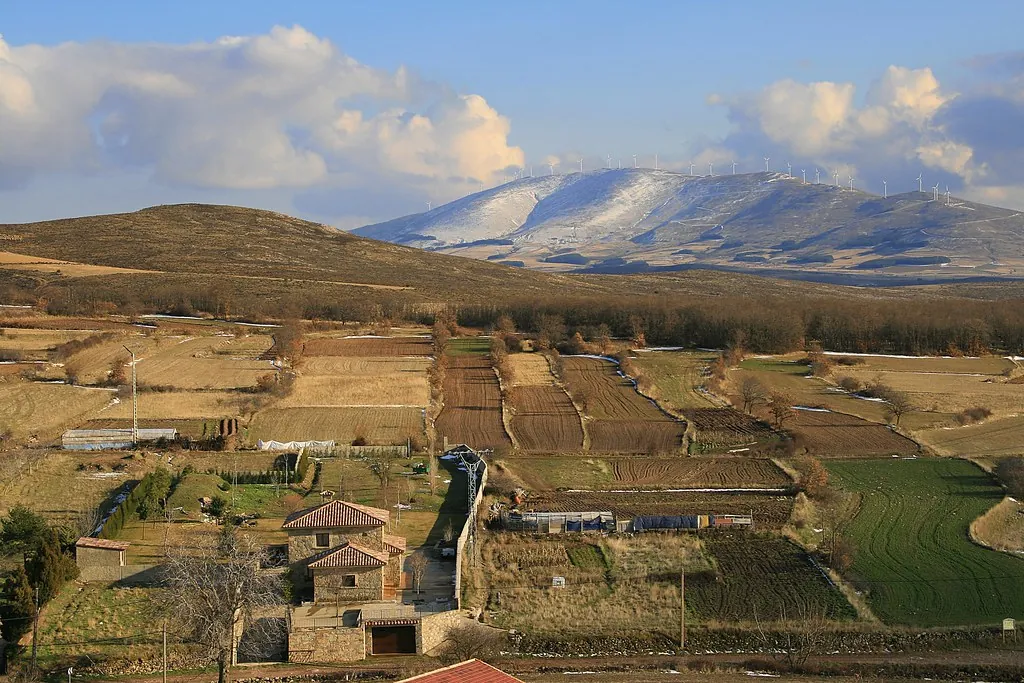
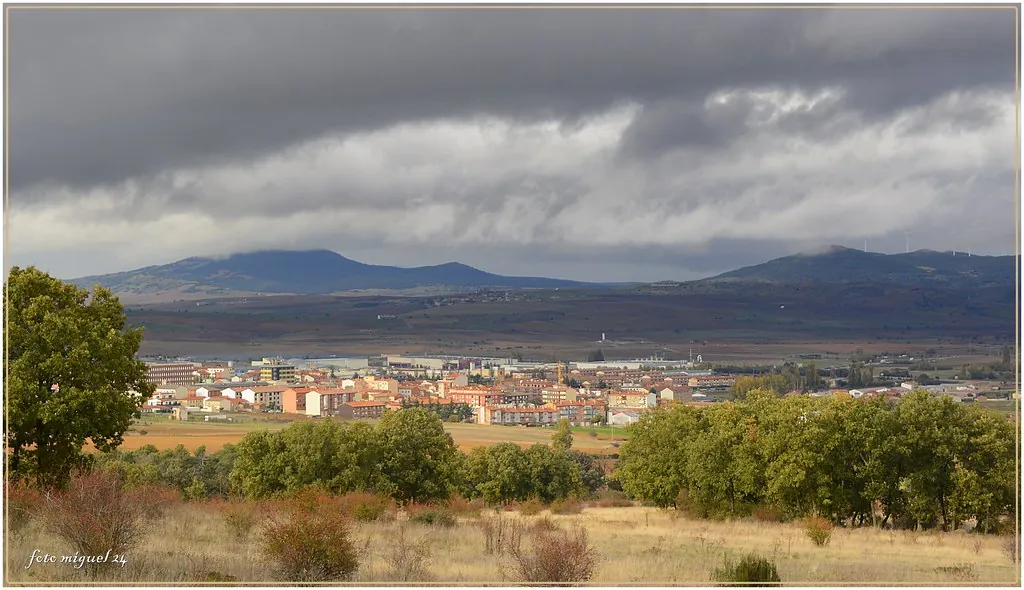
At 1,050 metres, Olvega’s Tuesday market happens under a sky that feels higher than the one over London. Stallholders lay out pimentón-dusted chorizos next to pyramids of local peaches, and the air carries a faint chill even in August. This is the western edge of Soria province, where Castilla y León bumps against Aragón and the Moncayo massif drags the first wrinkles of altitude onto the flat meseta. The mountain isn’t backdrop here; it’s weather forecast, compass and local gossip rolled into one.
A Town That Forgot to Shrink
Most villages this far from the coast lose their young and close their schools. Olvega clings on—barely—at just under 5,000 souls. There’s still a dentist, a secondary school and a branch of Cajamar whose cash machine actually works on Fridays. Walk Calle Mayor at 11 pm and you’ll hear murmurs from the bar terraces; walk it at 3 pm and the only sound is your own feet on the stone, plus the odd tractor heading out to cereal fields that stretch north towards the Ebro.
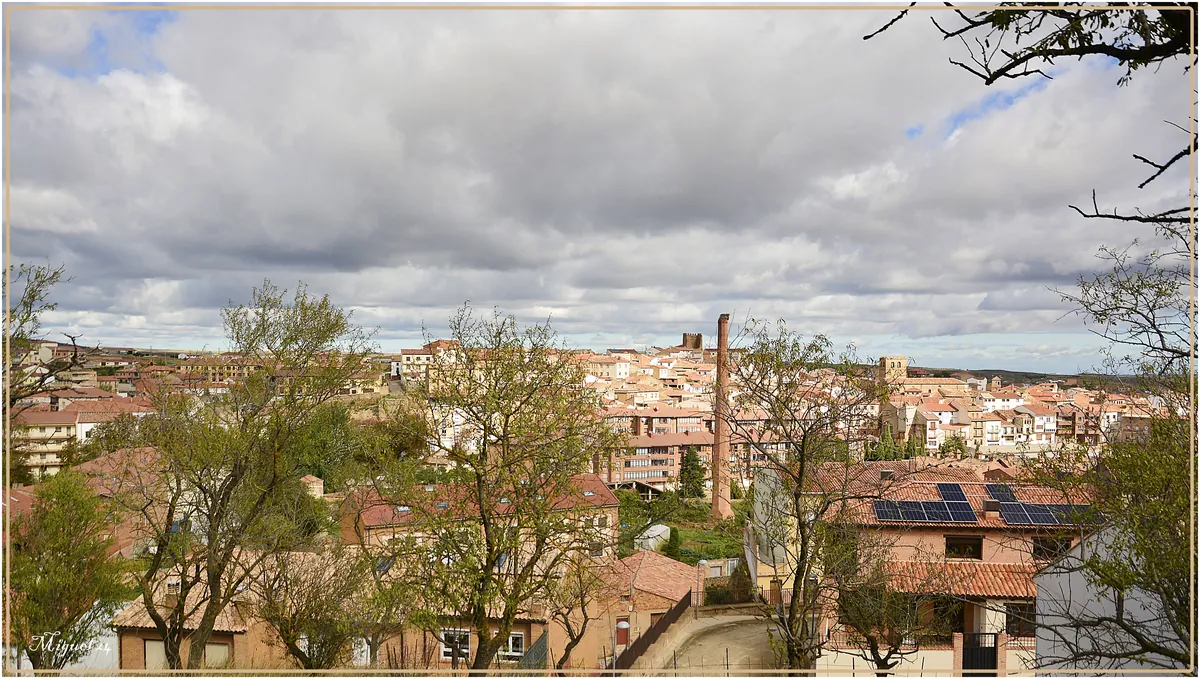
The built fabric is honest rather than pretty: granite on the ground floor, brick above, roofs the colour of burnt toast. Manor houses with chipped coats-of-arms sit next to 1970s apartment blocks painted the exact shade of hospital corridor. Nothing is “restored” for visitors, which means you can still buy a cortado for €1.20 and the bakery will slice yesterday’s loaf for toast without rolling its eyes.
Church, Convent and the View that Costs Nothing
The Iglesia de Nuestra Señora de la Asunción squats at the top of a short, calf-stretching hill. Inside, a 16th-century Flemish panel of the Deposition hangs next to a baroque altarpiece gilded so enthusiastically it feels like looking into a kicked beehive. The tower is open most evenings; climb the 102 steps and the reward is a 360-degree map of contrasts: wheat plains to the east, oak scrub climbing towards charcoal-coloured summits to the west. Bring a jacket—wind up here has a habit of forgetting it’s midsummer.
Below, the Convento de las Clarisas keeps its grille shut to casual visitors, but ring the bell between 10 am and noon and a nun will sell you almond polvorones through a wooden turntable. The biscuits come wrapped in plain white paper and taste of nothing more exotic than butter, sugar and decades of routine.
Boots, Binoculars and the Smell of Savin
Olvega is a rare place where hiking trails start at the edge of the municipal swimming pool. Follow the signposted PR-S-10 and within twenty minutes the tarmac gives way to a dirt track that corkscrews up through holm oak and juniper. Black redstarts flick between the branches; if you walk quietly you’ll hear the rubber-band call of the Sardinian warbler. The path joins a forestry road that climbs to the Puerto del Moncayo at 1,350 m; from here a rougher trail continues to the Santuario de la Misericordia, a stone refuge that serves as an informal viewpoint over the cereal-steppe sea below. Allow three hours there and back, carry a litre of water per person—there’s no bar, no fountain, no phone signal.
Spring brings carpets of Fritillaria lusitanica, a chequered purple lily that looks too delicate for the cold nights. Autumn is mushroom territory; locals head out at dawn with wicker baskets and the certain knowledge that the Guardia Civil can demand to see your permit. Picking is banned above 1,200 m; ignorance is not accepted as an excuse.
Calories You’ve Already Earned
Back in town, lunchtime starts at 2 pm sharp. Mesón El Cazador hangs its latest hunt from a hook by the door—usually a roe deer, sometimes a wild boar. Order the chuletón al estilo Soria: a T-bone that arrives sizzling on a terracotta tile, seasoned only with rock salt and a squeeze of lemon. One steak feeds two hungry walkers and costs €28. Vegetarians survive on patatas a la importancia, thick slices of potato dipped in egg, fried, then dunked in saffron broth. Pudding is optional; the house tinto from Ribera del Duero is not. Most places close the kitchen by 4 pm and won’t reopen until 8.30 pm—plan accordingly or you’ll be eating crisps in your room.
When the Mountain Turns White
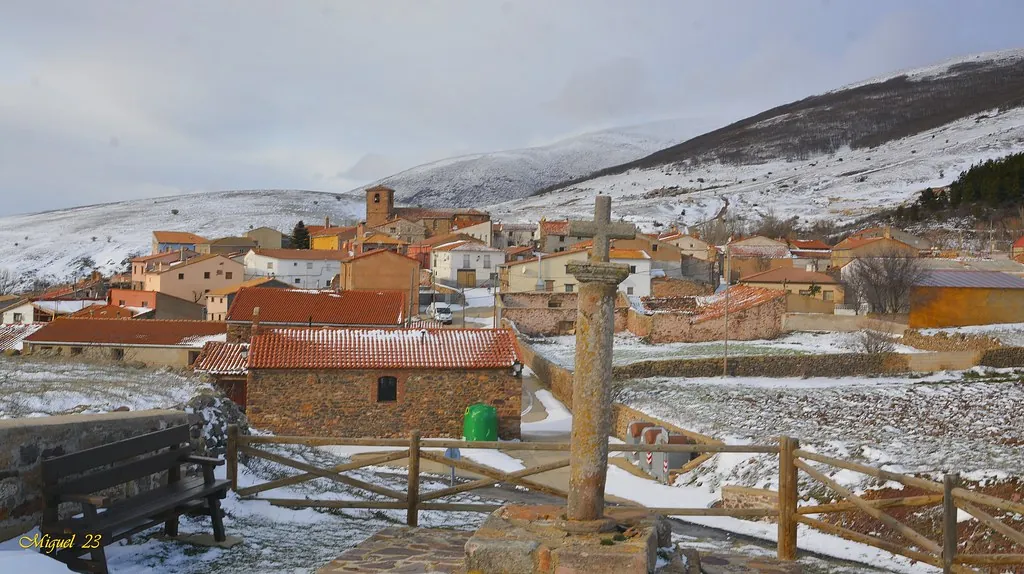
Winter arrives overnight, usually between 15 October and 15 November. The Moncayo’s first snowline can drop to 1,600 m, turning the peak into a giant barometer visible from every street corner. Daytime temperatures hover around 6 °C but night frosts are hard; pipes burst, the outdoor pool drains itself and the municipal gritter becomes the most popular vehicle in town. Roads stay open—just—yet the Tuesday market halves in size and the last bus back from Soria leaves at 6 pm instead of 9. If you want atmospheric photographs, January delivers hoar-frost on the thistle fields and clear pink dawns. Pack micro-spikes; pavements ice over quickly and the town owns exactly one snow shovel.
Beds, Buses and the Cash Drought
Accommodation is limited to two hostales and a handful of private lets. Hostal Los Infantes has eighteen rooms, all en-suite, €45 a night with breakfast—toast, jam and a cafetera that actually gets the coffee hot. Rooms at the front overlook the main road; ask for the back if you’re a light sleeper. Weekend karaoke in the bar downstairs finishes by midnight, but the bass travels.
Public transport exists in theory. There are three weekday buses from Soria (55 km, 55 minutes, €4.10). The Sunday service is cancelled more often than it runs; a taxi from the city costs €70, so hiring a car at Madrid airport is the sane option. Fill the tank before you arrive—the nearest petrol is ten kilometres away on the A-15 and the town’s single garage closed in 2019. Cards are accepted at the hotel and the pharmacy; everywhere else wants cash, preferably in small notes. The Cajamar ATM runs dry on Friday afternoons when the council workers get paid; queue early or bring enough euros to last the weekend.
Leaving Without the Gift-Shop Bag
Olvega won’t make anyone’s list of “Spain’s Most Beautiful Towns”. It has no souvenir stalls, no horse-drawn carriages, no boutique anything. What it offers instead is continuity: bread that tastes of wheat rather than additives, a mountain that still decides the weather, and bars where the television stays off because the barman would rather argue about last night’s football score. Come for the hiking, stay for the Tuesday market breakfast of churros dipped in thick chocolate, and leave before the siesta shutters slam shut. You won’t tick off world-class sights, but you will remember how Spain tasted before guidebooks got involved.