Full Article
about San Felices
Agricultural village near the border with La Rioja
Hide article Read full article
A village that moves at its own pace
Some places appear almost by accident. A short detour to stretch your legs can turn into something else entirely, a village where time seems to follow a different rhythm. That is the feeling in San Felices, a small settlement in the Moncayo area.
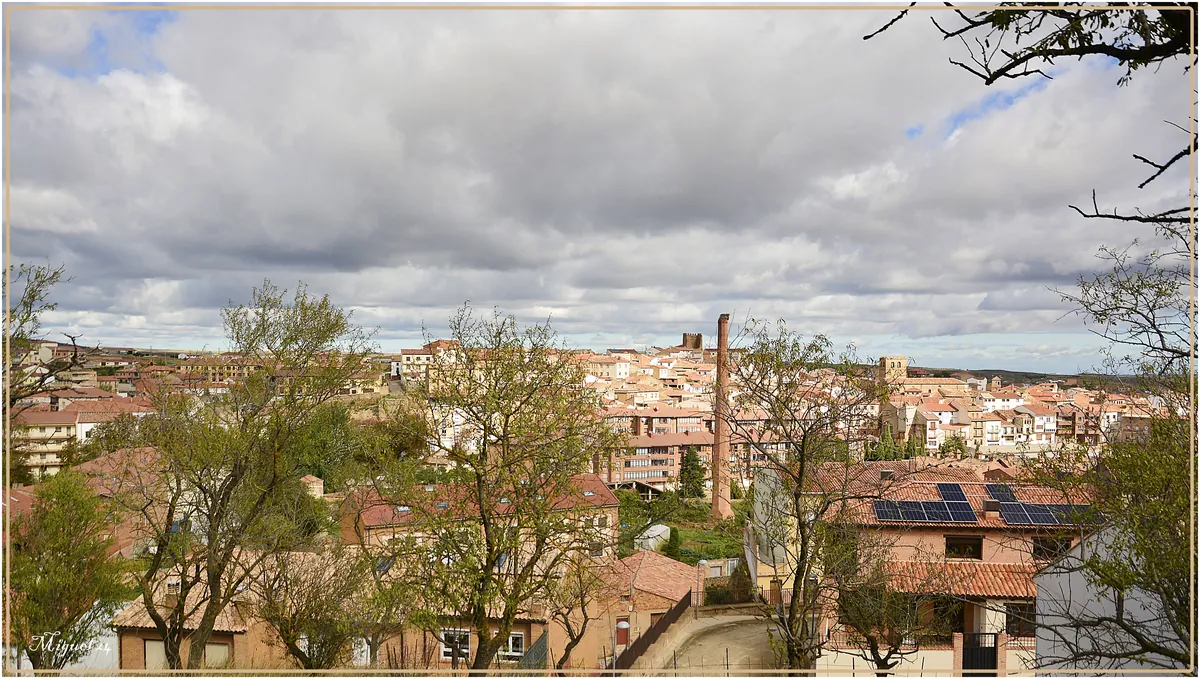
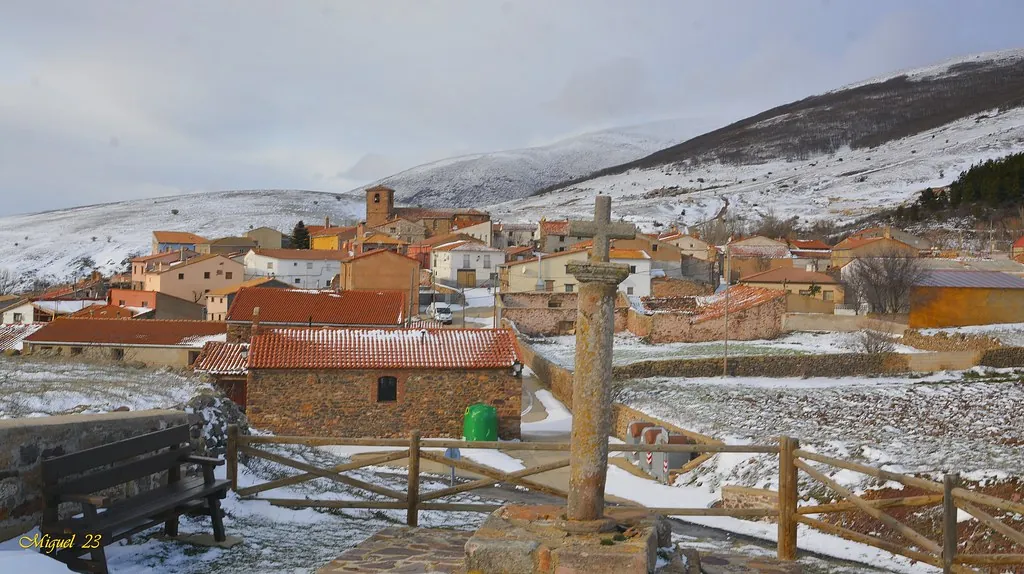
With around 55 residents, San Felices does not try to present itself as anything other than what it is. There are no museums or carefully staged streets designed for photos. Instead, you find irregular stone houses, thick walls and a road that bends slightly as it follows the slope of the land. Daily life is still visible here: neighbours stopping to talk, doors left half open, cars parked wherever there is space. It does not take long to recognise how things work.
The church and the village centre
At the heart of the village stands the parish church dedicated to San Félix. Its origins are described as medieval, although what can be seen today reflects changes and repairs carried out over centuries.
It is not a grand building. The structure is simple, with plain walls and a restrained interior. The impression is of a place shaped gradually by the people who lived here, rather than designed in a single moment. Inside, decoration is minimal, with no large altarpieces or elaborate features.
The rest of the village reveals itself quickly on foot. Within ten minutes, it is easy to get your bearings. The interest lies in small details: wooden beams supporting slightly uneven balconies, animal pens attached to houses, and large doors that were likely used for storing tools or livestock.
Walking without a plan
A walk through San Felices is less about doing and more about observing. Clues to how the village has functioned over decades appear in everyday features: barns that have been adapted for new uses, walls repaired time and again, courtyards where animals are still present.
Some houses are lived in throughout the year, while others open mainly at weekends or during holidays. That contrast is noticeable. Newer doors sit beside façades that have clearly been waiting for attention for some time.
It is not a place that fills an entire day with activities. What it offers instead is the quiet curiosity of a small village where each corner can reveal something if you pause long enough to look.
The landscape around San Felices
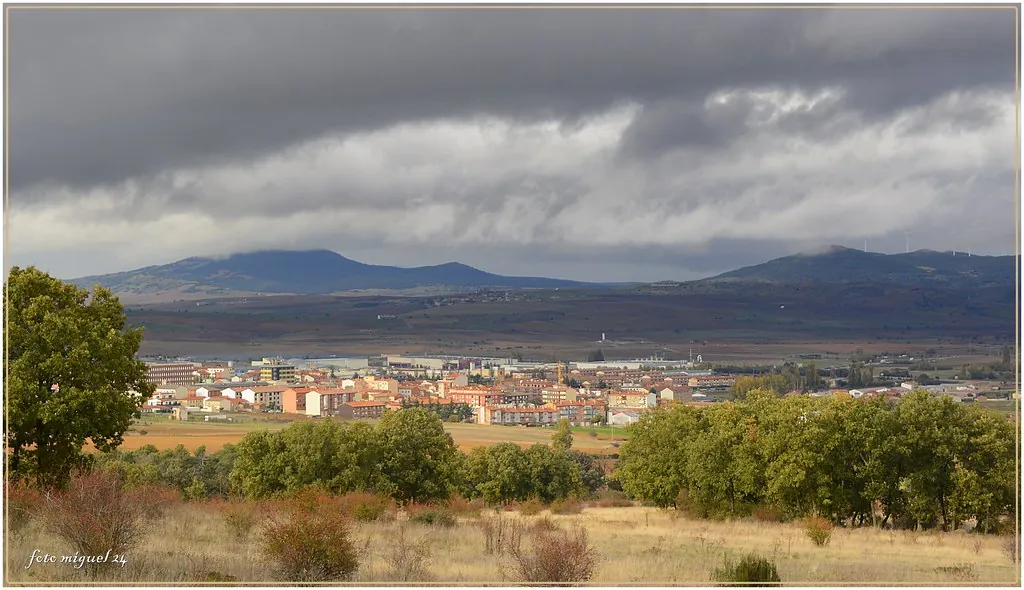
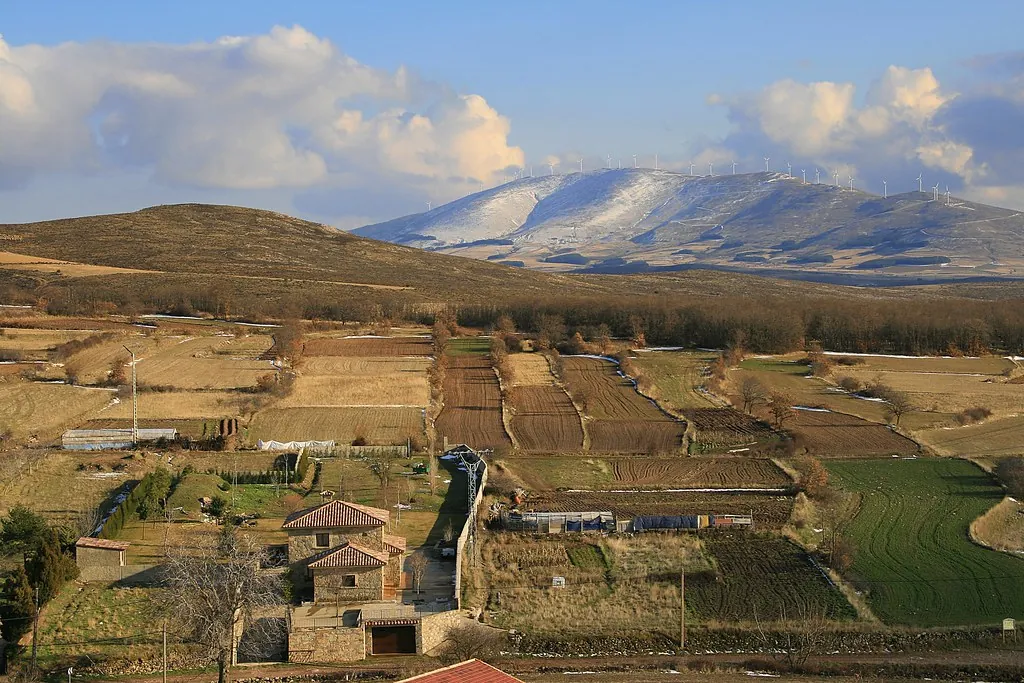
The surroundings are the main reason to come this far. The Moncayo mountain lies relatively close, and the landscape has a transitional character between higher ground and open fields.
Tracks and paths extend out from the village, used by locals to move between plots of land. These are straightforward routes without steep gradients, the kind that can be walked without much preparation.
The terrain shifts gently between low hills, grassy areas and patches of oak or holm oak trees. The look of the area changes noticeably with the seasons. Spring brings a strong green colour across the fields, summer turns the land drier and more golden, and autumn adds deeper tones in the wooded areas.
With a bit of patience, it is possible to spot wildlife. Roe deer may move through the scrub, and birds of prey can often be seen gliding above the valley.
Eating in the area
San Felices itself has very few services aimed at visitors, which is typical for a village of this size.
For a proper meal, people usually head to larger towns in the surrounding area or nearby villages where there are places to eat. The local cooking reflects what has long been available in this region: lamb, cured meats, filling dishes and, in season, mushrooms.
It is not elaborate food, but it suits the setting, especially after time spent walking through the countryside.
When to come
San Felices changes quite a bit depending on the time of year.
Spring and autumn are generally the most comfortable seasons for walking in the surrounding landscape, with mild temperatures and a more active natural environment. Summer brings long, dry days, although evenings tend to cool down. Winter can feel quite harsh, and when the Moncayo is covered in snow the atmosphere becomes noticeably more austere.
The village holds its local festivities towards the end of September. Many families who live elsewhere return for a few days. These are not large-scale events, but rather gatherings among residents, with small processions and shared meals.
Is it worth the visit?
San Felices is not a destination built around a checklist of attractions. It works better as a quiet توقف on a route through the Moncayo area.
A short walk through the streets, time spent looking out over the landscape, and a brief pause are enough to understand how life has unfolded here across generations. Approached with that expectation, without looking for organised plans or major sights, the place has its own appeal.