Full Article
about Valdegeña
Literary village tied to Avelino Hernández in the sierra
Ocultar artículo Leer artículo completo
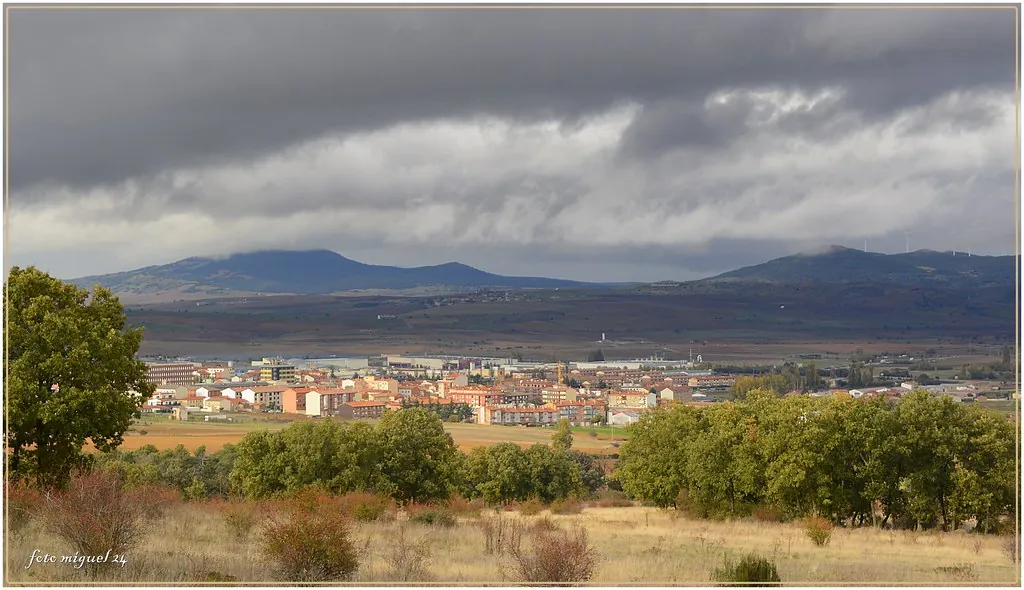
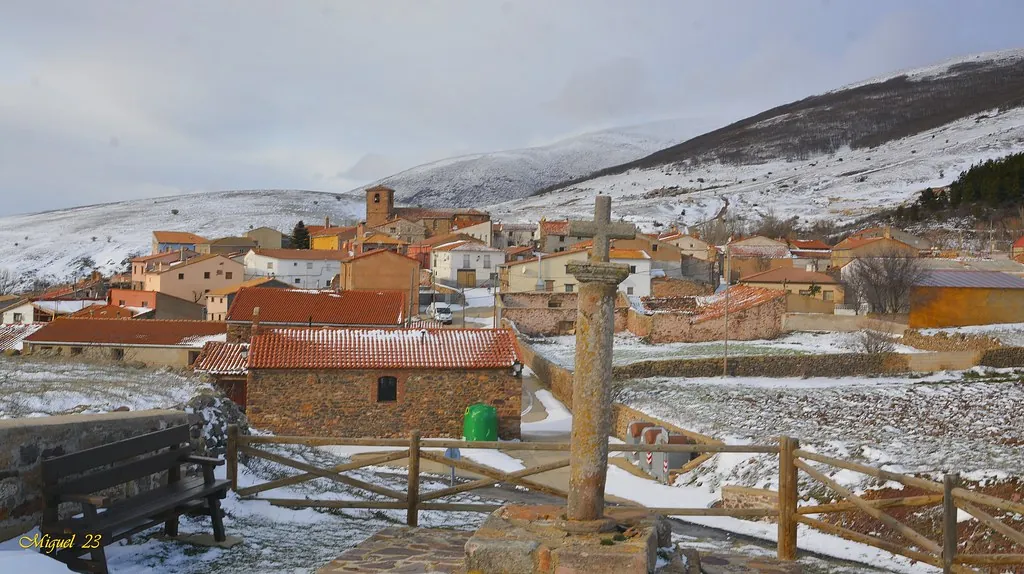
The road signs give up three kilometres short of Valdegena. After that it’s guesswork: a left at the stone shepherd’s hut, straight past the abandoned threshing circle, then up until the tarmac thins and the engine begins to sound breathless. At 1,068 metres the village appears—thirty-seven stone houses, one working fountain, and a church whose bell still rings only for funerals.
The Air Changes Here
Summer in most of Soria means dust and 35-degree heat. In Valdegena the thermometer forgets to rise above 26 °C; nights slide down to 12 °C even in July. The altitude knocks the edge off the Spanish sun, which is why shepherds once brought their flocks up from the Duero valley every June and why Madrid families now keep second homes further down the slope. What they gain in coolness they lose in convenience: the nearest shop, bar or petrol pump is 17 km away in Tarazona, and the single bus from Soria arrives on Tuesday, turns round and leaves again twenty minutes later.
Winter is a different contract. Atlantic storms hit the Moncayo first; snow can cut the village off for two or three days at a time. The council grades the access road as “prioridad B”, meaning the plough reaches Valdegena only after the potato trucks to Tarazona are moving. Bring chains between November and March, or simply park at the bottom and walk the last kilometre—locals do.
Stone, Slate and the Smell of Oak Smoke
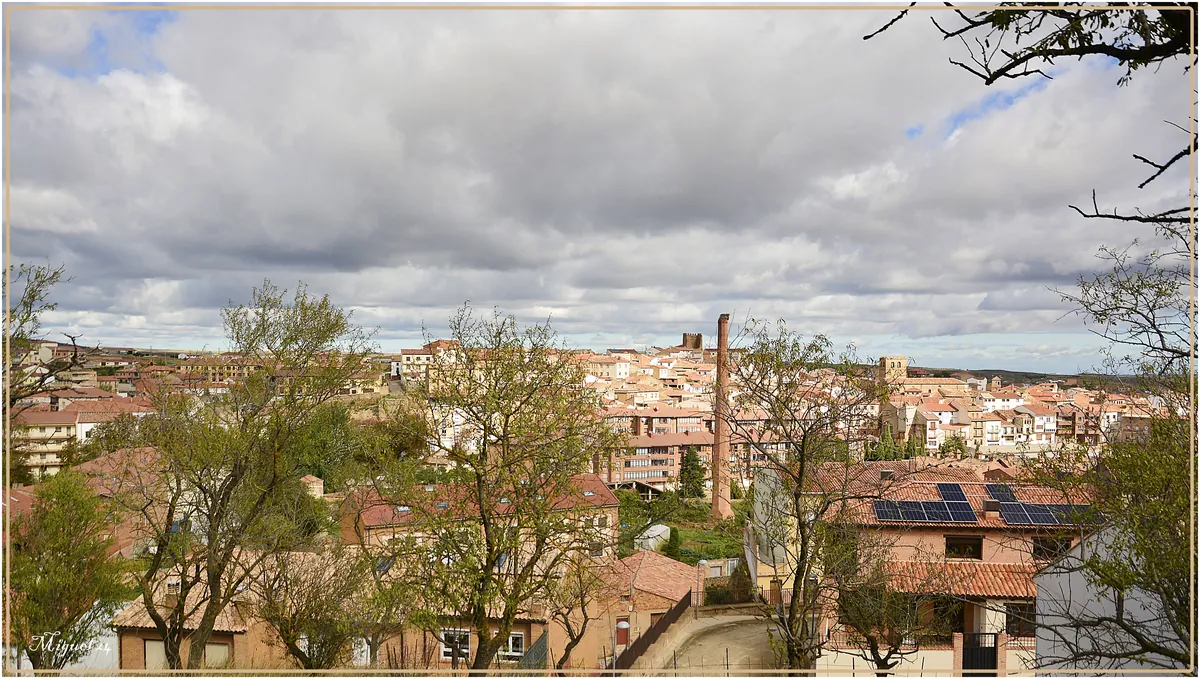
No one would call Valdegena pretty in the postcard sense. Houses are square, roofs steep enough to shed snow, walls the colour of the surrounding slate. What catches the eye is continuity: every lintel is oak, every hinge hand-forged, every chimney puffs the same incense of encina and roble. The parish church of San Pedro—rebuilt in 1786 after a lightning fire—has only one ornament worth noting: a Romanesque capital of uncertain origin wedged into the north wall like an afterthought. Stand inside at noon and the building acts as a sundial; a shaft of light slides across the plain plaster until it touches the altar, a trick the priest insists is coincidence, not design.
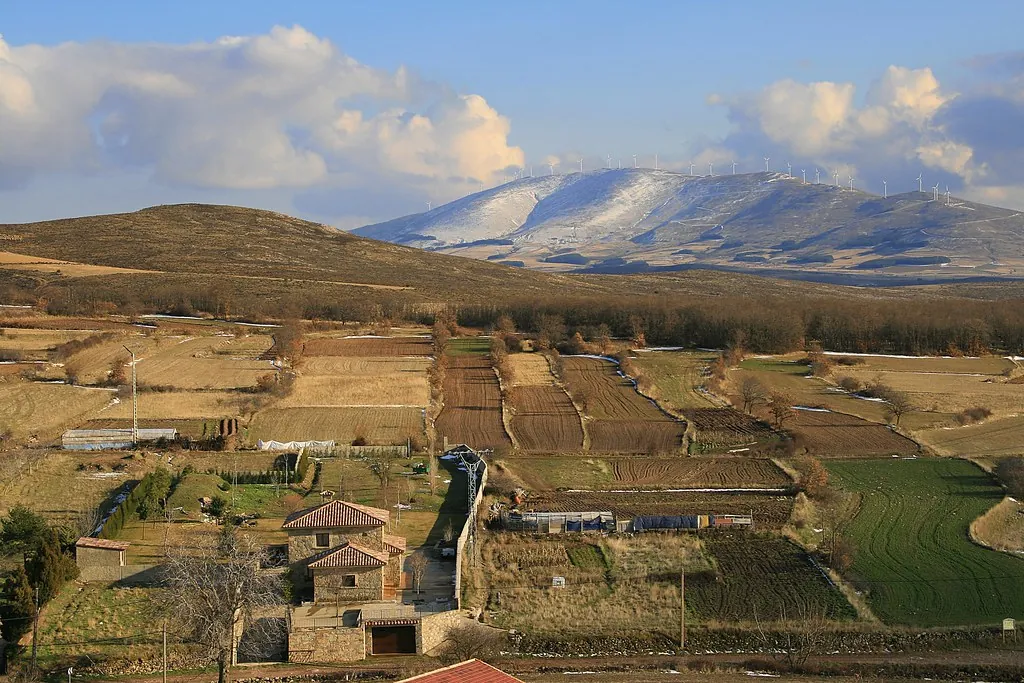
Leave the village by the upper track and the human scale dissolves quickly. Within ten minutes the only sounds are wind in the hawthorns and the odd clink of a distant cowbell. Mixed woodland—sessile oak, Portuguese oak, a few veteran junipers—covers the southern flank of the Moncayo up to 1,400 m. Roe deer prints appear in any patch of mud; wild-boar rootlings scar the banks of the seasonal stream. The ridge directly above Valdegena tops out at 1,620 m, an easy two-hour pull on a sheep path that later links into the GR-90 long-distance trail. From the crest the view stretches north across the Ebro depression; on a clear evening you can pick out the Pyrenees 130 km away, still wearing last week’s snow.
Where to Eat, Sleep and Refuel—Elsewhere
Accommodation does not exist in the village itself. The sensible base is Tarazona (25 min by car) or, for something livelier, Ólvega on the main N-122, where the Hotel Moncayo does double rooms for €55 including garage space. If you want to wake up in the mountains, the nearest rural houses are in Vozmediano, 12 km east, where Casa Rural La Tejera charges €90 for two, fireplace included.
Food works the same way. Valdegena has no bar, no shop, no Saturday-morning baker in a van. Pack water and whatever lunch survives in a rucksack; afterwards drive down to Tarazona’s Plaza de España and try Casa Bances for roast lechal (milk-fed lamb, €24) or the simpler Bar Deportivo where a mountain-sized plate of migas—fried breadcrumbs with grapes and chorizo—costs €9 and undoes any calories burned on the hill.
Tracks for Boots, Tyres and Hooves
Walking options radiate like spokes. Westward, an old cattle drift drops 600 m in 5 km to the masonry remains of the Roman bridge over the Río Queiles; allow three hours return. Eastward, a gravel road once used by resin workers climbs gently to the abandoned village of Fuentes de Magaña, roofless but still walled, where storks now nest in the church tower. For something longer, start at dawn and follow the GR-90 south-east to the summit of San Miguel (2,045 m), the highest point hikers can reach without ropes; six hours there and back, plus time to peer over the edge into Aragón.
Mountain-bikers with thighs to spare can loop Tarazona–Valdegena–Vozmediano–Cueva de Ágreda—62 km, 1,100 m of ascent, almost zero traffic. The asphalt is rough and cattle grids are not always signed, but the payoff is a 12 km descent through holm-oak forest where griffon vultures circle below your eye-line.
Horse riders are not forgotten. The local riding centre in Alcala del Moncayo (open weekends only) will trailer horses up to Valdegena and guide day rides along the shepherd paths for €60 pp, minimum four riders. They bring the sandwiches; you bring the knees.
A Festival That Fits in a Barn
The patronal fiesta happens around 15 August, date movable depending on when the emigrants can get days off. For forty-eight hours the population swells to maybe 120. The programme is proudly low-key: Saturday evening mass followed by migas cooked in a cauldron, Sunday morning football match on a slope so steep the goalposts are level with the crossbar, then a disco that consists of one speaker, one generator and whatever playlist the mayor’s daughter downloaded that morning. Accommodation in the village is offered spontaneously—people open spare rooms and refuse payment—but most visitors sleep in cars or pitch tents among the walnut trees. Fireworks are banned; the risk of setting the mountain ablaze is too high. No one seems to miss them.
When to Go, What to Take, What to Leave
April–May and mid-September to early November give the kindest weather: daytime 15–22 °C, cold enough at night to justify a fire, unlikely to snow. Wildflowers peak in May; mushroom hunters arrive in October with baskets and a licence from the Soria provincial website (€15/day, strictly enforced). Mid-summer is doable if you crave solitude—most days you will share the village only with the postman and three retired shepherd brothers who meet at the fountain at 11 a.m. to argue about football.
Essential kit: walking boots with ankle support (slate shards are slippery), OSM map downloaded offline (phone signal dies in every hollow), litre of water per person for half-day walks, lightweight fleece even in July, snow chains or 4×4 in winter. Leave drone batteries at home; Moncayo is a natural park, flying banned below 600 m above ground.
Parting Shots
Valdegena will not change your life. It offers no souvenir shop, no sunrise yoga platform, no Michelin mention. What it does provide is a calibration point: a place where Spain still measures time by church bells and weather by the direction of the wind roaring up from the Ebro. Turn up expecting nothing more than thin air, stone tracks and the smell of oak smoke, and the village quietly delivers. Forget to fill the petrol tank or check the weather forecast, and it will remind you—usually 2 km before the nearest phone signal returns.