Full Article
about Valdelagua del Cerro
Small village with panoramic views
Hide article Read full article
A Handful of Houses Beneath Moncayo
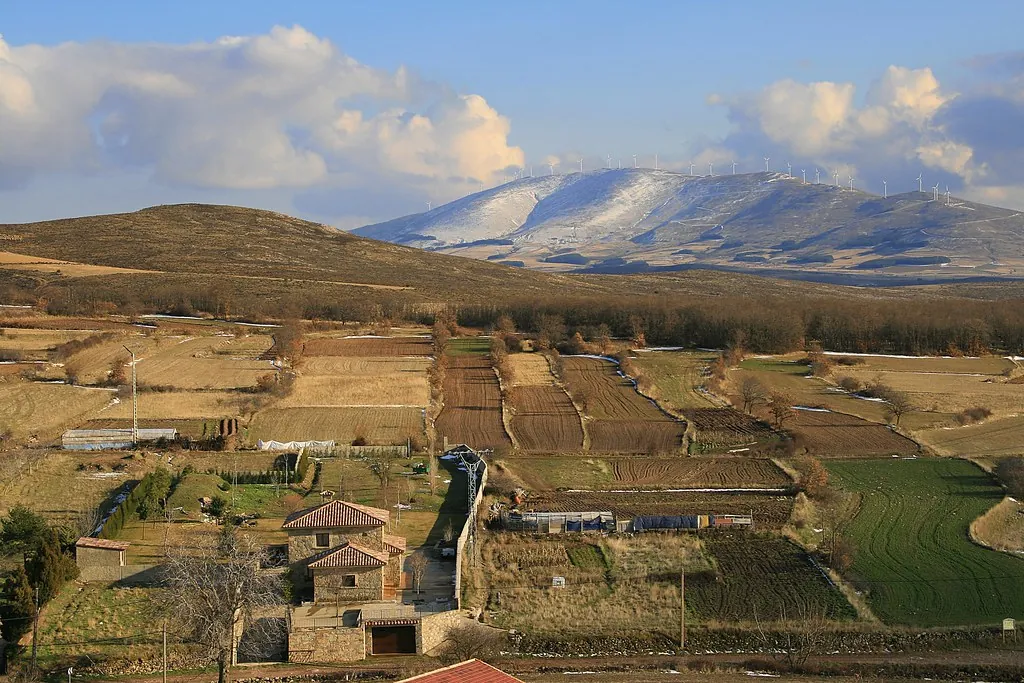
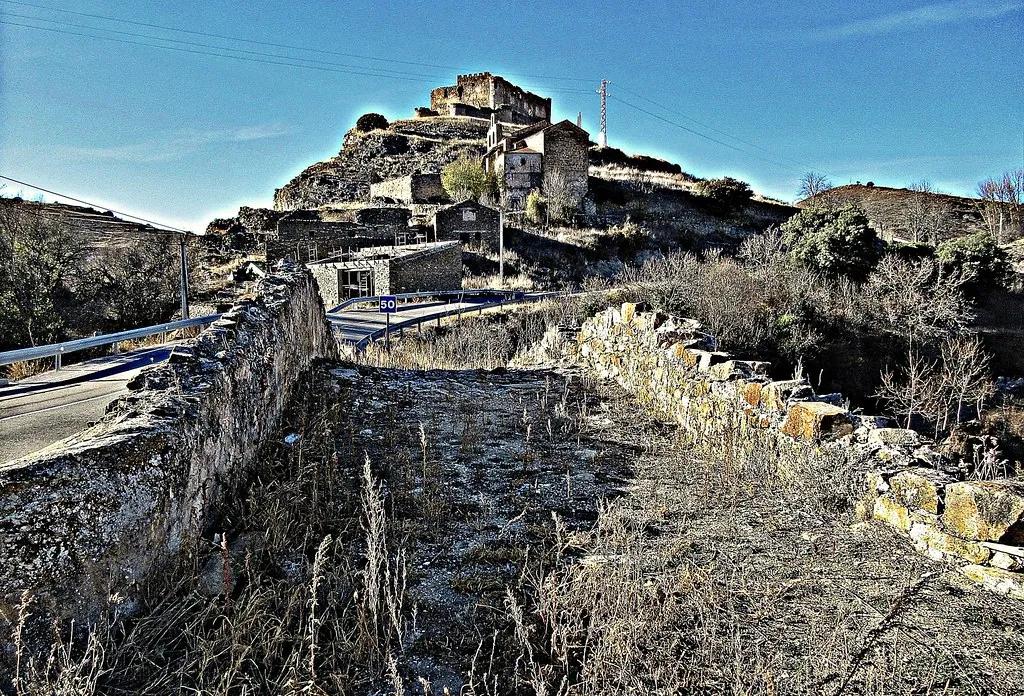
On the Soria side of Moncayo, close to the border with Aragón, Valdelagua del Cerro is one of those tiny settlements that still appears on the municipal map despite having barely any residents left. This small village in the Moncayo comarca has around a dozen inhabitants and sits at over 1,000 metres above sea level, in a landscape of gentle hills and scrubland that has changed very little in recent decades.
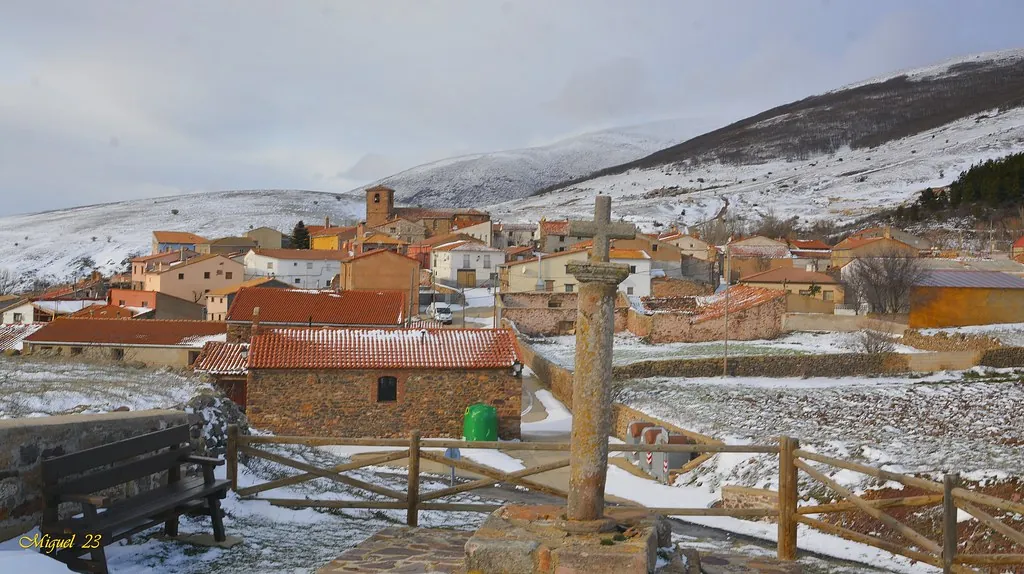
The name describes the terrain with some accuracy: small hills, cerros, and the presence of water in shallow valleys and seasonal streams. Around the village there are Pyrenean oak woods and meadows traditionally used for livestock. Stone houses with tiled roofs cluster together without much apparent planning around a small square. In summer there is a little more movement as families return for a few days. For the rest of the year, life here is very quiet.
Valdelagua del Cerro is less a conventional tourist destination and more a place that offers a clear sense of what has become of many villages in the Sorian mountains. There are few permanent neighbours, many houses remain closed for much of the year, and the surrounding land still sets the pace.
Stone, Fields and a Parish Church
The main landmark is the parish church, a modest building whose origins are usually placed in the 16th century, with later alterations. Its outline rises slightly above the rest of the houses and becomes the point of reference when arriving along the access tracks.
Rather than individual monuments, the real interest lies in the domestic architecture. Many homes retain thick masonry walls and small adjoining yards or corrals. It is easy to picture how the village once functioned when livestock played a greater role and each household needed space for animals, firewood or tools.
There are also threshing floors and low stone walls marking out former fields. Some buildings have been restored in recent years, while others remain empty, which is common in this part of Soria.
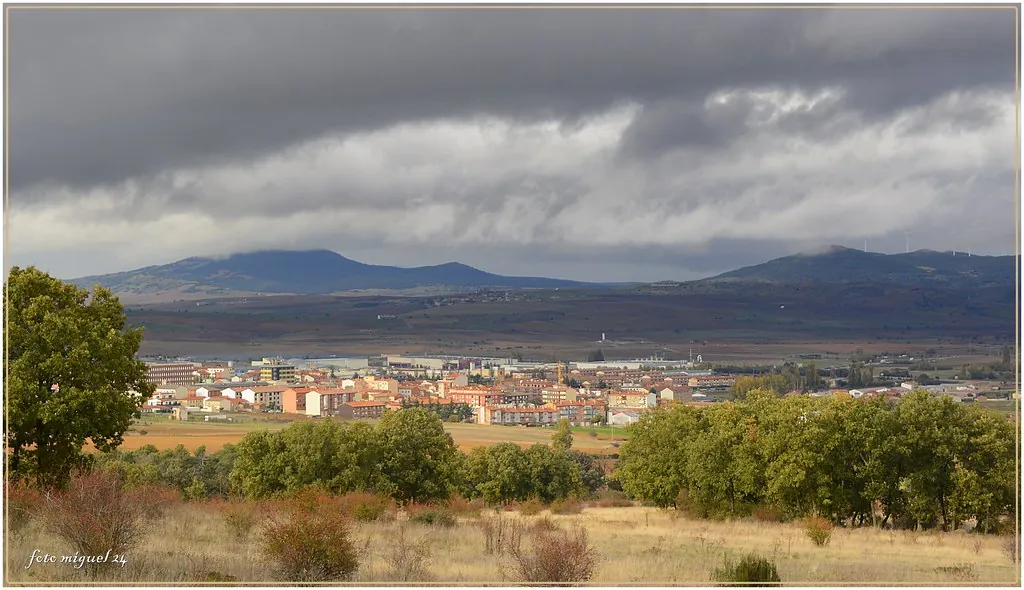
The immediate surroundings probably explain the place better than any structure. The oak woods encircling the village change markedly with the seasons. In autumn the hillsides turn ochre, while in spring an intense green returns. On clear days the outline of Moncayo appears to the east, a constant presence across the comarca.
Birdlife is part of the scene. Birds of prey often circle above the slopes, with vultures and kites seen regularly. With patience, other species typical of these sierras can also be observed.
Tracks Across the Sierra
Several agricultural tracks and footpaths leave from Valdelagua and connect with other villages in the area. Many follow ancient routes used for centuries to move livestock or reach small plots of land.
Signage is limited, so it is advisable to rely on a map or a previously downloaded track. The terrain is not usually difficult, yet the weather in the sierra can change quickly and the wind makes itself felt in more exposed stretches.
Some of these routes cross oak woods and pasture where remains of walls and corrals are still visible. These are straightforward walks, valued more for landscape and silence than for specific landmarks. The appeal lies in the continuity of the terrain and the sense of space rather than in major sights.
Early in the day and towards evening, the light is particularly suited to landscape photography. Low sun brings out the textures of stone and scrub, and the subdued tones of the hills become more pronounced.
Summer Gatherings and San Antón
As in many very small villages, activity in Valdelagua del Cerro concentrates in summer. Patron saint festivities are usually held then, coinciding with the temporary return of families who still maintain a house in the village.
Events tend to be simple. Neighbours gather in the square, there may be a religious service, and activities are organised by the residents themselves. The scale reflects the size of the community.
There is also a continued reference to San Antón in January, traditionally associated with the protection of livestock. Today the observance has mainly symbolic value, yet it recalls the role animals played in the local economy for generations.
These moments in the calendar punctuate a year that is otherwise defined by calm. The rhythm of life remains closely tied to the seasons and to the gradual changes in the surrounding hills.
Reaching Valdelagua del Cerro
Valdelagua del Cerro lies in the north-east of the province of Soria, within the Moncayo area. Access is via regional roads and stretches of local lanes, so it is generally best reached by car.
The final kilometres follow narrow, winding roads, which is typical in this part of the sierra. Driving with care is advisable, especially in winter or in poor weather conditions. There is no direct public transport to the village.
For those who do make the journey, Valdelagua del Cerro offers an unembellished view of rural life in the Sorian mountains. The houses, the oak woods and the outline of Moncayo form a setting where little has altered, and where the landscape remains the dominant presence.