Full Article
about Santibáñez de la Peña
Municipal seat in the Montaña Palentina; known for the Santuario de la Virgen del Brezo and mountain trails.
Ocultar artículo Leer artículo completo
At 1,100 metres, Santibáñez de la Peña sits high enough for your ears to pop on the final approach. The road from Aguilar de Campoo corkscrews upwards through beech woods so dense that even July afternoons feel refrigerated. Leave the car window open and the scent changes from hot resin to something colder and metallic—half leaf-mould, half old railway sleeper. It is the first reminder that this was mining country long before it became a walking waypoint.
Stone, Timber and the Sound of No Cars
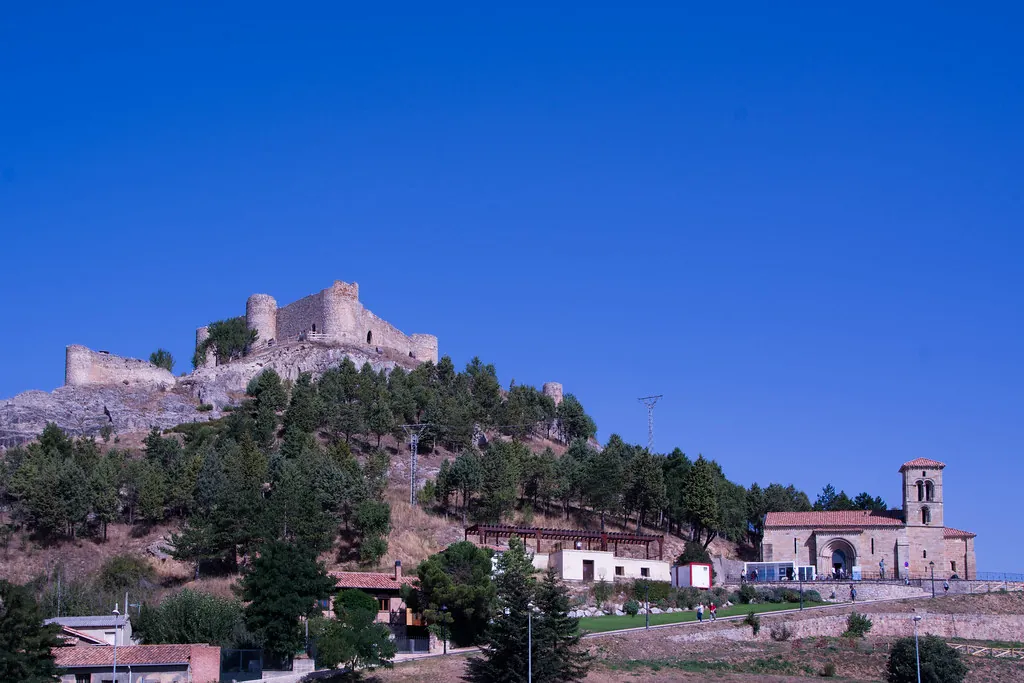
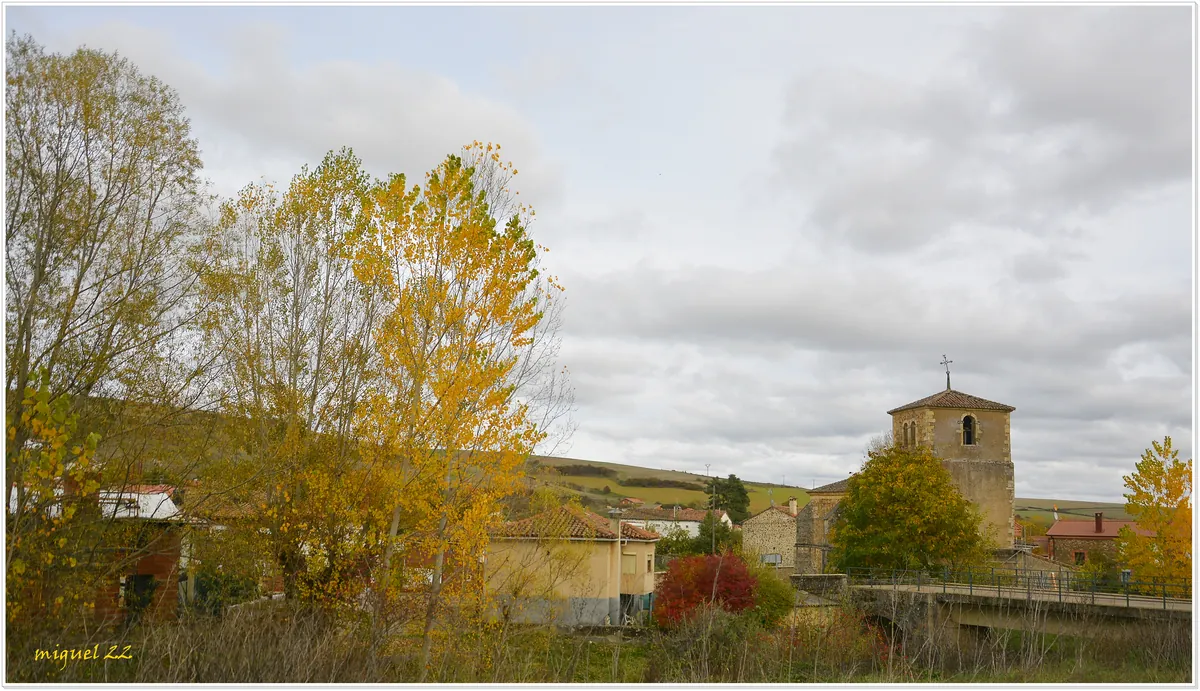
The village spills across a ridge like something tipped out of a cart. Limestone houses shoulder each other for warmth; balconies are painted the ox-blood red you see all over Palencia’s northern fringe. There is no ornamental plaza mayor, just a widening in the lane where the Iglesia de San Juan Bautista plants its square tower. The church door is usually open—push and you’ll catch a swirl of incense frankincense and floor-wax that hasn’t altered since the 1950s. Inside, the font is genuinely Romanesque; the parish priest will point out the carved lions if you ask, though he’ll do it in rapid Castilian and expect a donation for the roof fund.
Wander downhill and you pass shielded mansions whose coats of arms have been sand-blasted almost smooth. One still shows a boar chained to an oak tree—evidence that somebody here once had enough clout to tax the forests. Between these houses run alleyways barely two metres wide; delivery vans scrape their wing mirrors and tourists instinctively breathe in. Mobile coverage disappears at every second corner. Vodafone gives up entirely; EE flickers between “E” and nothing. Movistar users fare better, but only just. The digital detox is involuntary, and complete by the time you reach the old livestock trough where village women once did the weekly wash.
Walking Tracks that Start in the Pasture and End Above the Clouds
Santibáñez is a gateway rather than a destination. Five minutes from the last streetlamp you are on cattle tracks that double as pilgrim paths. Head north-east and the gradient stiffens through abandoned threshing circles; within an hour the beeches give way to dwarf juniper and the horizon opens to the limestone wall of Fuentes Carrionas. On a clear morning you can pick out Picos de Europa fifty kilometres away, a faint white saw-blade above the haze. What the tourist office calls “senderismo de altura” is really just honest mountain walking: 900-metre ascents, weather that can flip from T-shirt to fleece in twenty minutes, and snow patches lingering on north-facing slopes well into May.
Maps are essential. Waymarking is sporadic—yellow dashes fade faster than the council repaints them—and the fog can drop like a theatre curtain. Local riders still use the paths; if you meet one, step to the uphill side and wait. The horse will be grateful, and the rider will usually point you the right way. For something less committing, follow the signed 6 km loop that circuits the village pastures. It passes an old manganese adit now gated against bats, and returns via the fuente de San Roque, a spring that never freezes. Fill your bottle; the water is cold enough to make fillings ache.
Calories You Have to Replace
Food is mountain-plain: soup thick enough to hold a spoon vertical, lamb that tastes of thyme and wild marjoram, and T-bones the size of a laptop. Bar La Plaza—really the only game in town—fires its grill with holm-oak branches. Order the chuletón “bien hecho” if you dislike the sight of blood; otherwise you’ll get it still mooing. A half-kilo portion serves two and costs €24. Vegetarians can fall back on menestra, a slow-cooked vegetable medley that arrives in a clay bowl with a poached egg on top. Pudding is either tarta de queso (baked cheesecake with a burnt top) or arroz con leche scented with lemon peel. Lunch is served until 15:30; turn up at 15:31 and the kitchen is closed until 20:00. Monday is shutdown day—both bar and shop pull steel shutters across their doors. Plan ahead or you will be opening tins in your hostel kitchen.
The supermarket, Ultramarinos Cruz, stocks UHT milk, tinned tuna and surprisingly good local honey. It shuts 14:00–17:00, so if you hike back at three thirty expecting crisps and a Coke you’ll be staring through metal bars. There is no cash machine. The nearest is in Cervera de Pisuerga, twelve kilometres back down the mountain. Contactless works in the bar, but the shop prefers notes and gets sniffy about €50s.
Beds and the Race for Them
Accommodation divides into two categories: the municipal albergue on the Camino de la Reina, and three private casas rurales. The albergue opens at 13:00 and costs €8. It has twelve bunks, one shower, and no heating after 22:00. Between May and September it fills by 14:30 with German and Dutch walkers who started at dawn in Cervera. Arrive late and you will be knocking on farmhouse doors waving a credit card. Casa Rural El Robledal, half a kilometre out on the Potes road, has warmer rooms and its own bakery van each morning—double €55, including sheets that actually fit the mattress. Wi-Fi exists but limps; expect 3 Mbps on a still night.
Winter brings a different rhythm. Snow can block the road for half a day, and the albergue closes from November to March. The village drops to 450 souls, most of them over sixty. Bar La Plaza reduces its hours to weekends only. If you want silence, you’ll get it in industrial quantities—the kind that makes your ears ring. Bring chains or winter tyres, and be prepared to dig yourself out of the car park.
When to Come, When to Leave
Spring is brief and sharp. Wild narcissus appear in April, and the beech buds open like green popcorn. By mid-May the high paths are mostly clear of snow, but you can still meet a drift in the shade of a limestone crag. September gives the best bargain: settled weather, empty accommodation, and cattle being brought down from summer pastures—an excuse for a fiesta that involves free stew and cider poured from height. August is hotter than you expect at this altitude (30 °C is common) and the village doubles in size with returning emigrants. Processions, brass bands and all-night bingo are fun once; after three nights the drums begin to echo.
Leave early on your final morning and you may see Cantabrian brown bears—almost certainly not the bears themselves, but the carabinero tracks left where one crossed the tarmac during the night. The guardia patrol at first light, noting prints the way other villages check football scores. Spotting the real thing requires patience, binoculars and a willingness to sit motionless in freezing pre-dawn mist. Most visitors settle for the story, and the paw-mark pressed into the dirt is souvenir enough.
Practicalities, then: fill the tank in Aguilar de Campoo; carry cash; download offline maps; and pack a fleece even in July. Santibáñez de la Peña will not flatter you with postcard perfection, but it repays curiosity. Walk its tracks, eat its steak, and accept that the mobile signal dies for a reason. The silence is the point—broken only by church bells, clanking cowbells and the wind that once drove miners deeper into the mountain.