Full Article
about Cubilla
Small town surrounded by forests at the entrance to the Cañón de Río Lobos
Hide article Read full article
A small village among the pines
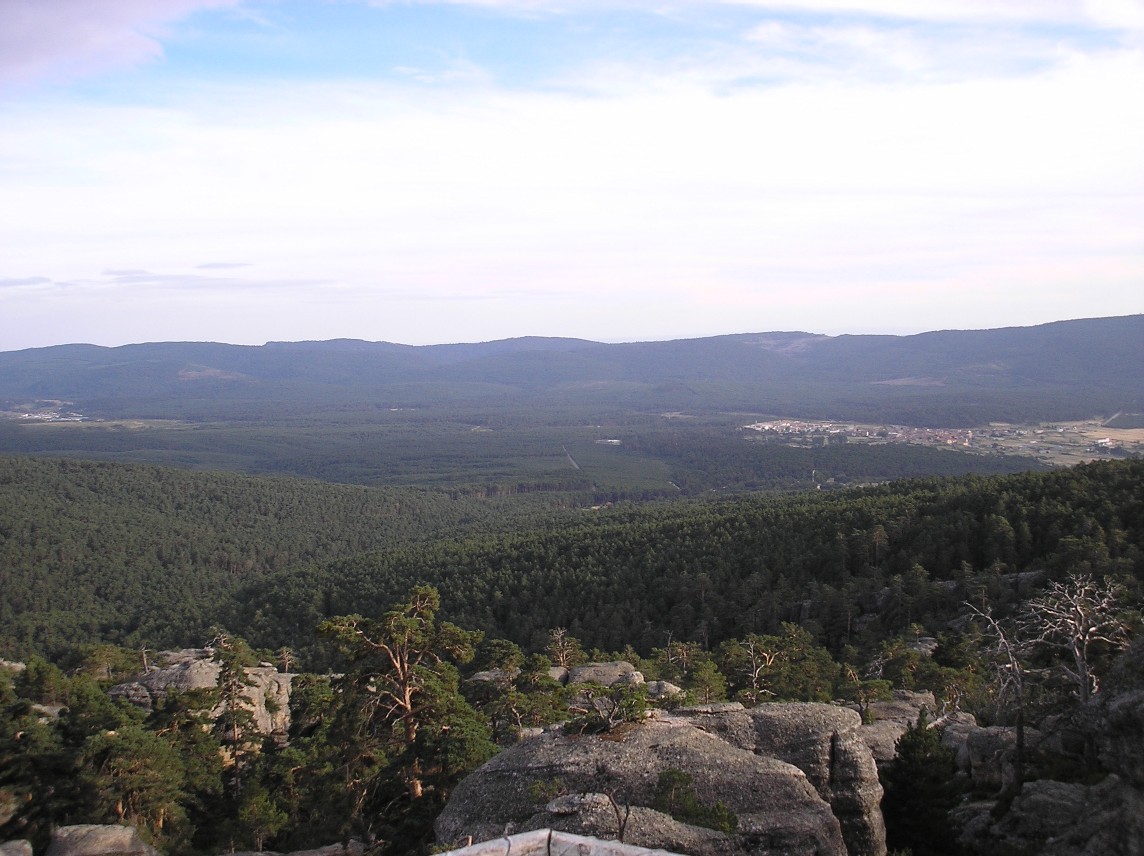
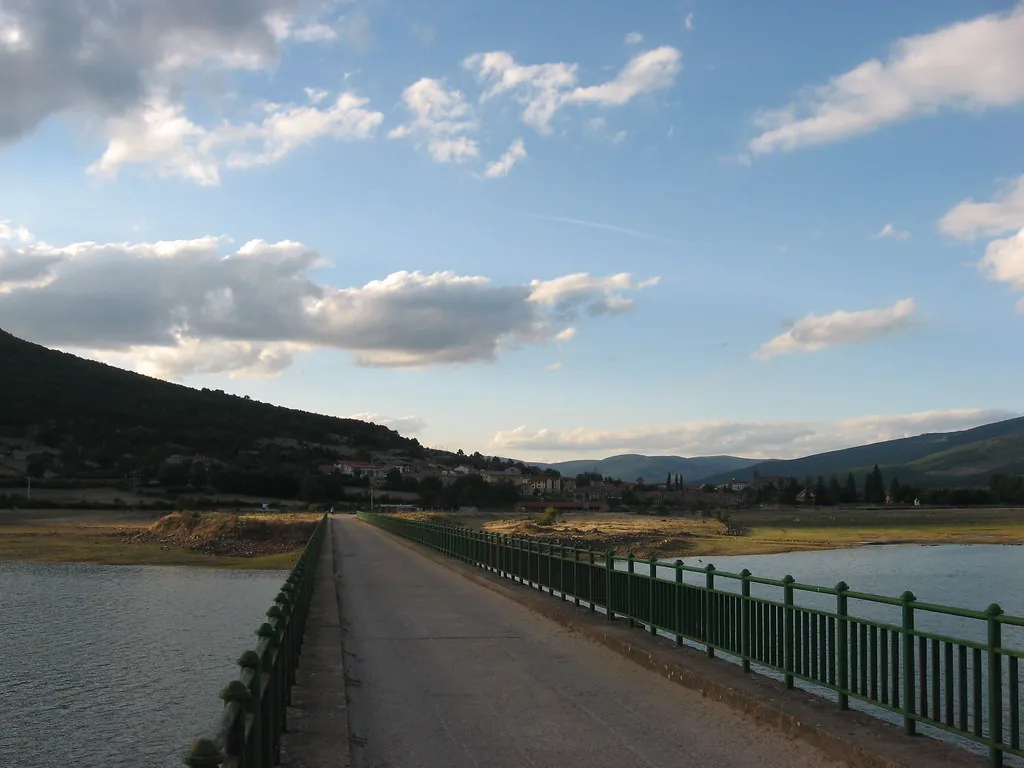
Cubilla sits in the Soria section of the Pinares region, a very small settlement that has endured in the higher part of the province. It lies at around 1,090 metres above sea level, surrounded by extensive stands of Scots pine that form one of the most continuous forest landscapes in this area of Soria. Tourism in Cubilla revolves around that setting and the modest scale of the place itself. There are only about twenty registered residents and a compact cluster of houses typical of the Pinares villages.
This is not a destination shaped by attractions in the usual sense. Its appeal comes from its size, its quiet rhythm, and the presence of the forest that defines both the landscape and daily life.
A settlement shaped by the forest
For centuries, local life depended on the surrounding woodland and on livestock. Across the Pinares region, timber held as much importance as grazing land, and that balance helps explain how villages such as Cubilla developed and were built.
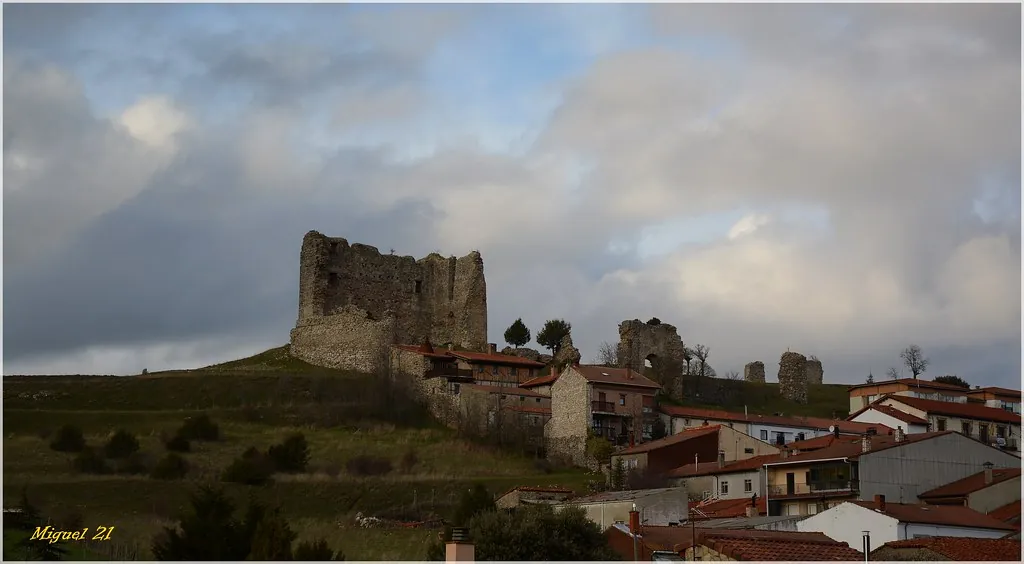
The houses reflect this relationship. Masonry walls, curved roof tiles and practical auxiliary buildings form the core of the village layout. These include corrals, haylofts and small stables, all integrated into the same compact space. The result is not a monumental ensemble, but it does preserve the proportions of a place that never expanded beyond its original scale.
At the centre stands the parish church of San Juan Bautista. It appears to date back to the 16th century, although, as with many rural churches, later alterations have been made over time. The structure is plain, with thick walls designed to withstand the harsher conditions found at this altitude. Its purpose has always been practical rather than decorative.
A brief walk through the village
Cubilla can be explored in a short amount of time. A handful of streets and a small square organise the village, and traces of past agricultural work are still visible in these shared spaces.
Many of the houses now serve as second homes, while others remain closed for much of the year. Even so, there are signs that life has not completely faded. Vegetable plots can be seen on the outskirts, and some small-scale livestock activity continues.
The atmosphere reflects a place that has changed slowly rather than abruptly. There is no sense of reinvention or tourism-driven transformation, just gradual adaptation to a reduced population and seasonal use.
Forest tracks and the wider landscape
The real weight of Cubilla lies beyond the built area. The surrounding pinewoods are part of the defining landscape of the Pinares region, where the forest dictates how the land is used and experienced.
Several forest tracks branch out from the village. These routes were traditionally used for forestry work and to connect neighbouring settlements. They are wide and generally easy to follow. In denser sections of pine forest, junctions can look very similar to one another, so carrying a map or a simple track is a sensible precaution.
A walk through these woods offers insight into the long-standing relationship between the villages and their environment. Timber has always been central, resin extraction played a role in the past, and today mushrooms are another key resource.
Silence often defines the experience here. A short distance from the village is enough for the sounds of daily life to fade, replaced by the stillness of the forest.
Autumn and the mushroom season
Autumn brings a noticeable change to the pinewoods. The forest floor often fills with sought-after species, particularly níscalos and various types of boletus. Mushroom picking forms part of local culture, though it is also regulated across much of the province.
Anyone interested in collecting mushrooms should check the current rules and respect any permits or limits that apply. Correct identification is essential, as not everything found in the forest is safe to eat.
This seasonal activity draws attention to the continuing connection between people and the land. It is one of the clearest ways in which traditional practices remain present in everyday life.
Wildlife in the pinewoods
The forests around Cubilla are home to a range of wildlife. Tracks of roe deer and wild boar are not unusual to find, and birds typical of woodland environments can often be seen overhead.
Wildlife sightings are never guaranteed. They depend on time, quiet and a degree of luck, particularly in the early part of the day or towards evening. There are no designated viewpoints or observation facilities here, so encounters with nature tend to be direct and unstructured.
This absence of infrastructure reinforces the character of the area. It is a place where the environment has not been adapted for visitors, and where observation happens on the landscape’s own terms.
Before setting off
Cubilla has no tourist services or shops. Eating, shopping or staying overnight requires travelling to larger villages in the surrounding area.
Preparation matters, especially for time spent in the forest. Carrying water and some food is advisable, and it is worth keeping an eye on the weather. At this altitude, temperature changes can be noticeable even on otherwise calm days.
The village itself is small, but the pine forest around it is extensive. A short walk is enough to leave the built area behind, and the quiet of the woods quickly takes over.