Full Article
about Montenegro de Cameros
Only Sorian village on the north slope (Cameros) with alpine scenery
Ocultar artículo Leer artículo completo
The only thing open at half past midnight is the sky. Street lamps click off, the temperature slips below five degrees even in late April, and the LR-113 that brought you here becomes a ribbon of black between empty fields. Welcome to Montenegro de Cameros—population forty on a busy Sunday—where the name promises Adriatic romance and delivers Castilian silence instead.
Why the map insists you keep driving
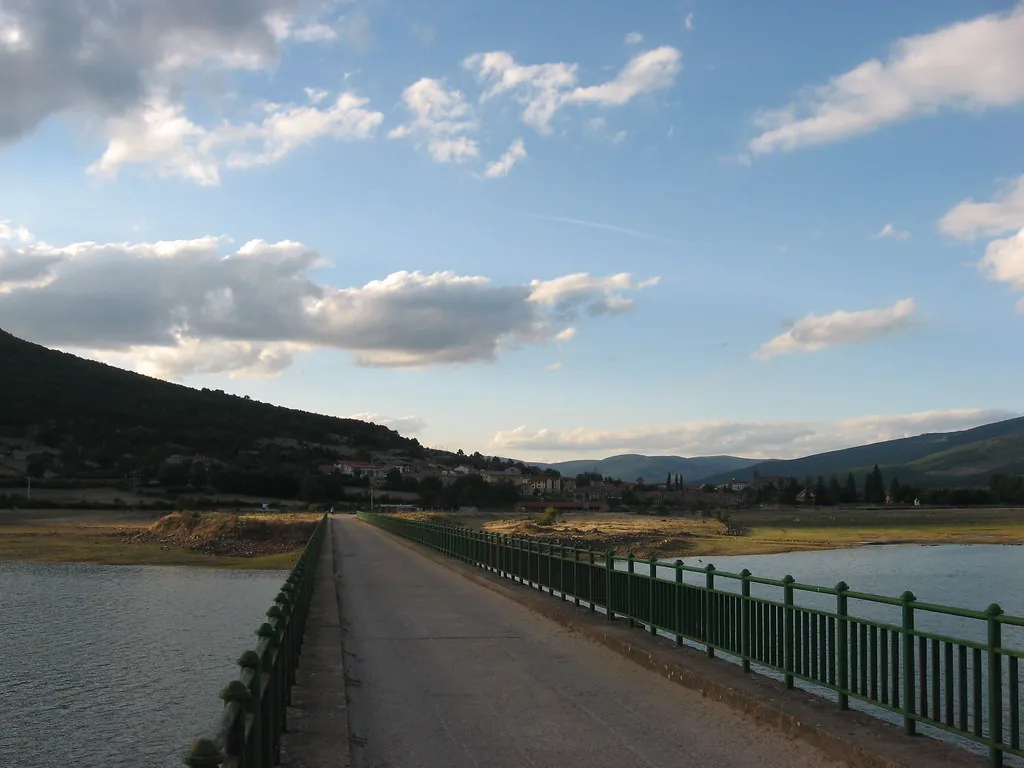
Most Sat-Navs give up two kilometres short of the village. Phone signal collapses to a single bar of 3G, Google Maps spins uselessly, and the pine woods close in like a tunnel. Keep going: the road crests at 1,235 m, then drops abruptly into a bowl of stone houses huddled against a wind that smells of snow and resin. There is no petrol station, no cash machine, no souvenir shop—just a single hotel, one restaurant that shuts at ten, and a church bell that still marks the hours the way it did in 1920.
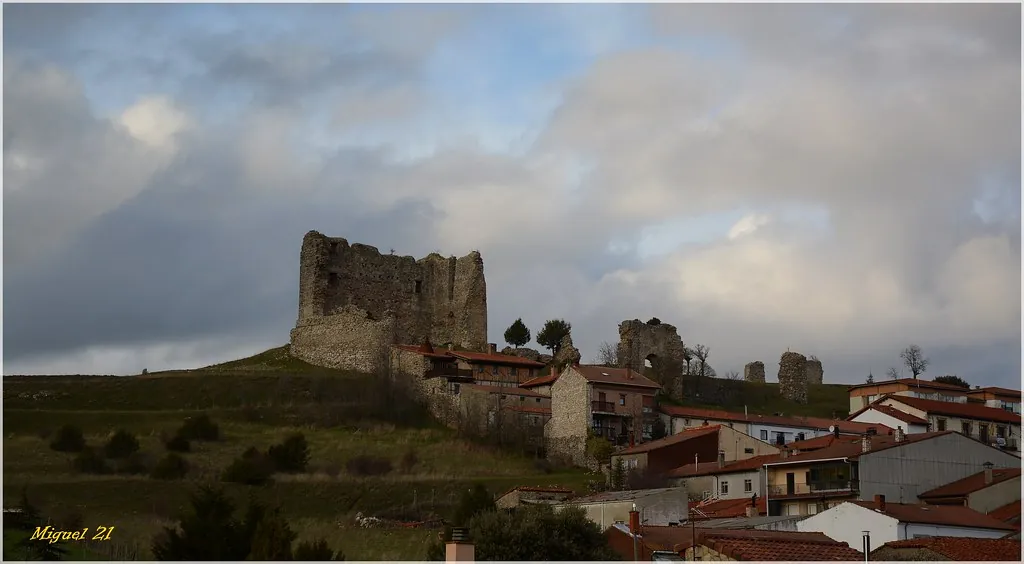
Architecturally the place is a textbook of mountain problem-solving. Granite walls half a metre thick blunt the winter cold; windows are arrow-slits rather than picture frames; chimneys fat enough to swallow a loaf of bread pump out smoke from fires lit in October and left to smoulder until May. Renovations are patchy—some façades freshly pointed, others wearing 1970s concrete like a rash—so the village feels lived-in rather than prettified.
Forests that swallow sound
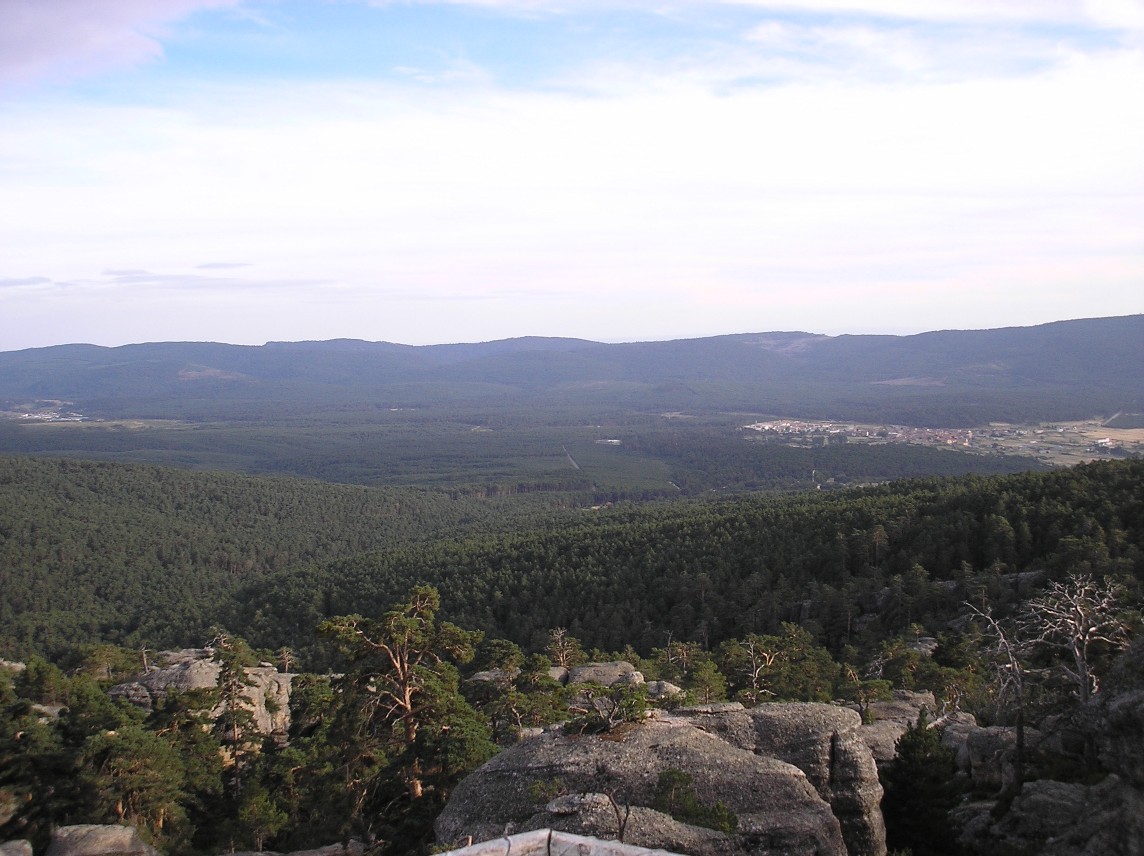
The real geography begins where the tarmac ends. Tracks strike north towards the Urbión massif, threading Scots pine and relict beech whose leaves turn the colour of burnt toast by mid-October. Way-marking is sporadic: a splash of yellow paint here, a cairn there, then nothing for two kilometres. Download the GPS track before you leave Soria—paper maps sold in the provincial capital are 1:50 000 and show contours like stacked plates, but omit the newer logging roads that can dump you two valleys east of where you intended.
Walkers who come prepared are rewarded with a silence so complete it feels like altitude sickness. Roe deer step onto the path, stare, then melt back into the trees; wild-boar diggings scar the verges; if you start early enough you may hear the soft whistle of a red deer stag from the beech belt below the snow-line. Do not expect safari numbers—some mornings you get tracks, some mornings a glimpse of retreating rump, nothing more.
Winter sharpens the deal. Snow can arrive overnight in late October and still lie in north-facing gullies come May. The LR-113 is officially “all-weather” but the first five centimetres close it to anything without chains; after fifteen the Guardia Civil simply hang a red disc on a rope and turn you back. Cross-country skiers use the logging roads when powder lies, but the village itself has no rental kit—bring your own or continue 30 km to Valdezcaray’s small alpine lifts.
Eating what the woods provide
Meals are built around what can survive a freezer that never fully thaws. At La Almazuela the set menú (£14) opens with garlic soup thick enough to stand a spoon in, followed by roast kid that tastes of thyme and wood-smoke. Vegetarians get a plate of migas—fried breadcrumbs with grapes—filling but hardly light. Ask for the “menú inglés” and you’ll receive grilled chicken and chips, but the kitchen needs 24 hours’ notice: the freezer is across the road and they’d rather not open it for one order. House red is young Rioja served at 14 °C; if you want it warmer say “temperatura ambiente” or accept the chill.
Breakfast is easier. The hotel La Costanilla lays out local cheese, membrillo (quince paste) and coffee strong enough to etch the cup. They speak enough English to explain checkout, but not to discuss the finer points of Brexit—mercifully. Rooms start at €55, including Wi-Fi that flickers each time the microwave downstairs kicks in. Evening meals aren’t offered; by 21:30 the owners are in their own kitchen watching Cuatro.
When the village doubles in size
August fiestas turn the clock back to 1975. Returnees from Logroño and Madrid inflate the census to 200; the plaza hosts a mass followed by paella for anyone who can claim a cousin. A brass band—three trumpets, two trombones and a sousaphone held together with gaffer tape—marches up the main street at midday, echoing off stone like a military tattoo heard through a drainpipe. Outsiders are welcome but not essential: this is family business, not folklore for hire.
Outside fiesta week the social scene ends when the bar closes. Last orders are 22:00 sharp; the owner mops round your feet at 22:02. After that the only light comes from the church, left on for nocturnal worshippers who rarely appear. Bring a torch—the lanes drop sharply and medieval gutters wait to snap an ankle.
Getting here without the drama
Fly to Madrid or Bilbao; hire a car with winter tyres between November and March. From Madrid take the A-2 to Medinaceli, then the N-234 north to Soria; turn onto the LR-113 at Abejar and climb for 45 minutes. Total drive time is 2 h 15 min unless fog parks itself on the pass—in which case double it and follow the cat’s-eyes like breadcrumbs. The nearest railhead is Soria, but trains from Madrid arrive at awkward hours and the station has no UK-card-friendly ticket machines; book onward seats on Renfe.com before you leave Britain.
Petrol is the critical worry. The village pump vanished years ago; the nearest 24-hour station is back in Soria, 35 km of thirsty mountain road. Fill up when you still have half a tank and you can explore side valleys without the yellow warning light pulsing like a heartbeat.
So, should you bother?
Montenegro de Cameros offers no souvenir fridge magnets, no sunset yoga platforms, no craft-beer taproom. What it does offer is a read-out of how much of Spain still lives at the pace of seasons rather than smartphones. If that sounds like your sort of boredom, come in late May when the hay-scent drifts up from the meadows, or in mid-October when beech woods burn copper under the first snow. Pack chains, a paper map and a sense of how quiet 1,235 metres can feel when the wind drops and even the church bell forgets what hour it is.