Full Article
about Navaleno
Important tourist hub in the heart of the pine forest, with a strong mushroom-hunting tradition
Hide article Read full article
Among the Pines of Pinares
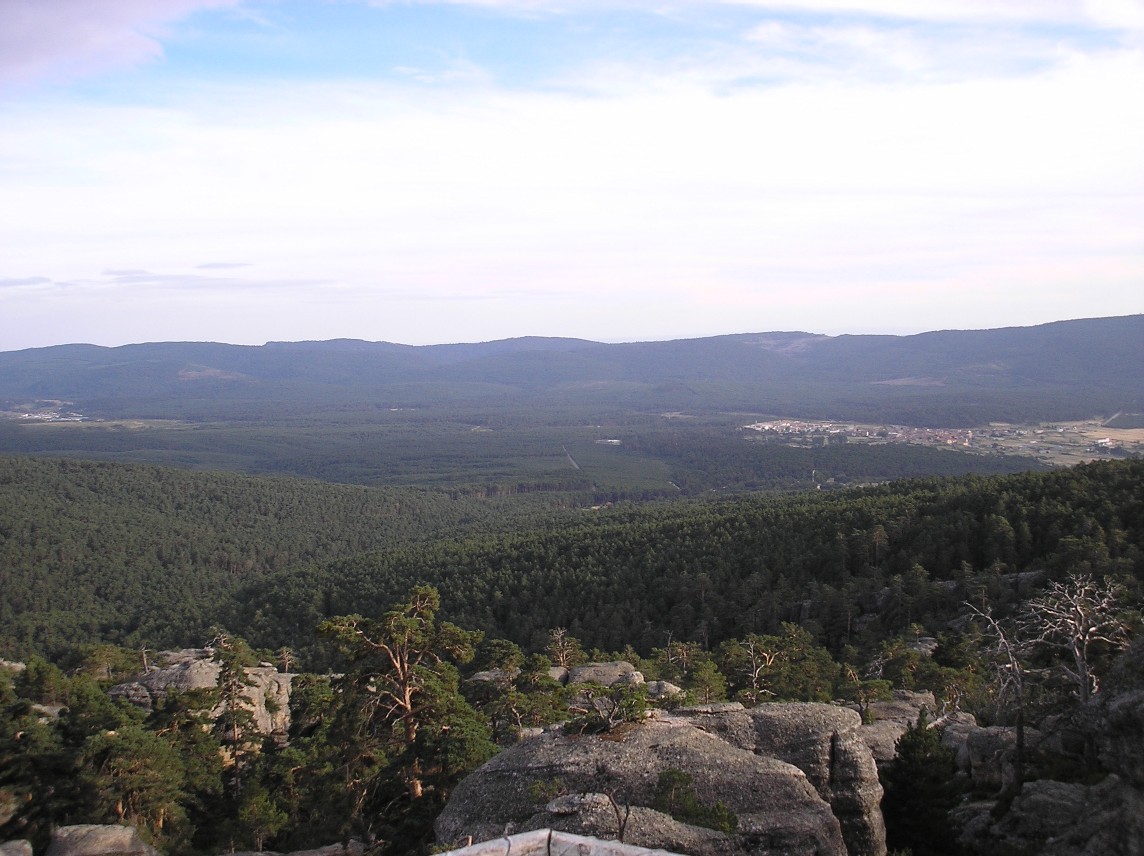
Early in the morning, when the sun still slips low between the straight trunks of the pine forest, the ground gives a faint crunch underfoot. Pine needles form a dry carpet that softens each step and leaves a resinous scent hanging in the air, the sort that clings to clothes long after you leave. In this part of the comarca of Pinares, Navaleno lives surrounded by woodland. Scots pine above all, tall and straight, arranged with the order of a landscape tended over decades.
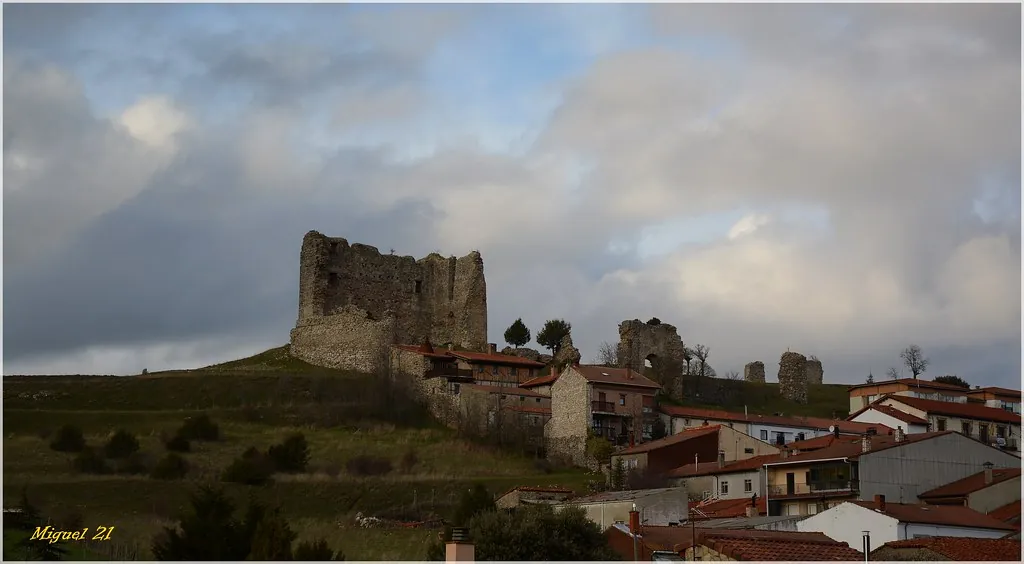
The village emerges from this expanse of pale trunks with stone and timber houses built according to the logic of a place where winter bites hard. Here, the forest is not a backdrop. It is work, history and, still today, a source of livelihood.
Navaleno has around 700 inhabitants and maintains a close, practical relationship with the land that surrounds it. For decades the local economy revolved around timber. That link remains visible: lorries loaded with logs pass through, and sheds where pine is processed sit on the edge of the village. On certain working days, the air carries a clear scent of sawdust.
The Path to La Fuentona
A few kilometres from Navaleno lies La Fuentona, a karstic spring where water rises from a deep cavity and forms a dark blue lagoon. The colour shifts with the light, sometimes almost opaque, sometimes reflecting the sky. The path that leads there runs for much of the way through pine forest. At times there is birdsong in the canopy overhead; at others, only the wind stirring the needles.
Wooden walkways allow visitors to approach without stepping on the most fragile areas. When the surface is still, the water mirrors the trunks in a dark reflection. It is not a noisy place. Most people lower their voices without really thinking about it.
It is worth arriving early if visiting in summer or at weekends in autumn. The trail itself is straightforward, but the space around the spring is limited and fills up easily.
A Village Shaped by Timber
The heart of Navaleno is its Plaza Mayor, where the town hall stands alongside the church of San Pedro Apóstol, built in grey stone. It is not a monumental church. Instead, it has something of a refuge about it, a building conceived to endure and to shelter from the cold. Thick walls and a single nave reinforce that feeling when stepping inside from the street.
The surrounding forest has never been wild in a romantic sense. It is a worked landscape. Many of these pinewoods have been used for generations and continue to be managed for timber today. Forestry tracks cut for kilometres through the trees, creating long corridors of light between the trunks.
On foot or by bicycle, these routes open up very quiet areas. At certain times of year, forestry machinery also uses them, which is worth bearing in mind. Signs of wildlife are common among the pines: wild boar tracks pressed into mud, roe deer moving through undergrowth, or the slow flight of a buzzard circling above a clearing.
Forest Trails and Autumn Mushrooms
The area around Navaleno offers several straightforward walking routes that pass through pine forest and alongside small seasonal streams. These are not high mountain paths. The typical outing here is longer and gentle, with moderate gradients rather than steep ascents.
Autumn brings a different rhythm to the woods. Damp ground, the smell of earth and people walking slowly with their eyes fixed on the forest floor signal mushroom season. Boletus, níscalos and trompetas amarillas tend to appear when the year has been favourable. In the comarca there is mycological regulation, so it is important to check the rules before heading out with a basket.
The forestry tracks are also suitable for mountain biking. Climbs are rarely long, though there are stretches of loose soil and exposed roots where a steady pace makes sense. The sense of space remains constant: long lines of trunks, filtered light, and the muted sound of tyres or footsteps on needles.
Before Setting Off
In several natural spaces in the area, clear rules apply. Visitors are asked not to leave marked paths, to avoid driving along certain tracks and to respect protected zones. The environment around Navaleno may look open and extensive, but it is carefully managed.
If planning a walk in the forest, it helps to think through distances. Many trailheads lie a few kilometres from the village itself and require driving closer before setting out on foot.
Navaleno is not a place built for haste. It works better at a slower pace: a stroll as evening falls, the smell of timber lingering in a quiet street, and the silence of the pine forest beginning just beyond the last houses.