Full Article
about Salduero
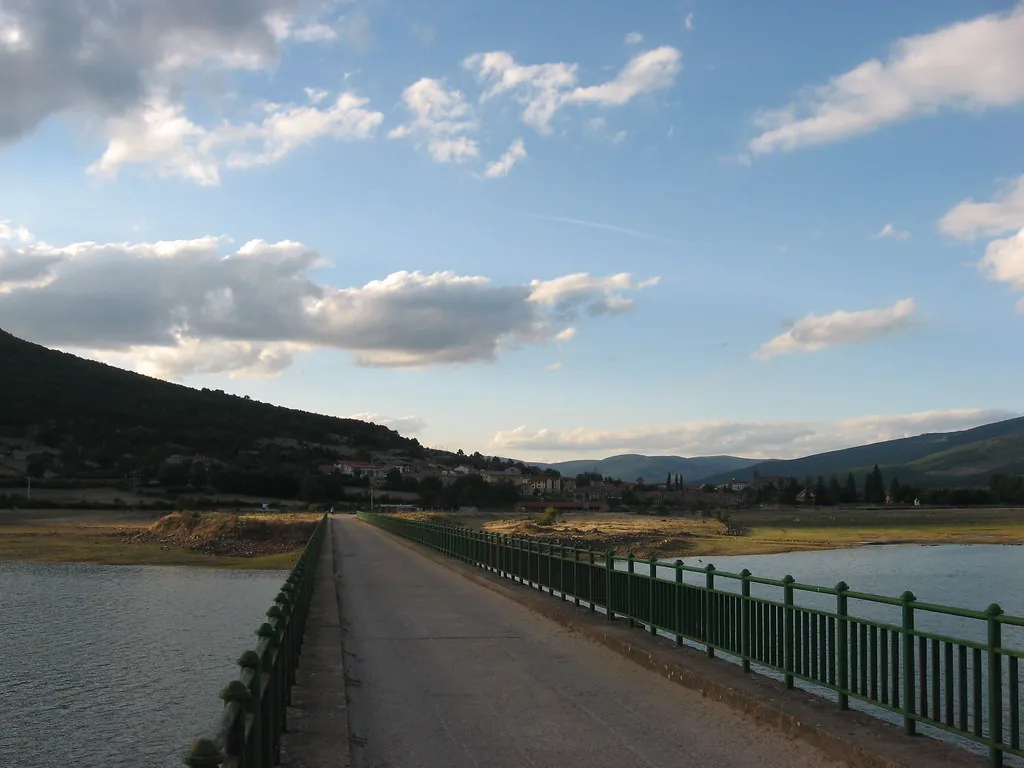
Pretty stone-house village among pine forests on the banks of the Duero.
Hide article Read full article
A Change of Pace in the Pinares
Some places feel like turning down the car radio after a long stretch on the motorway. The noise fades, your shoulders drop, and everything seems to move more slowly. Tourism in Salduero works in much the same way. You arrive along roads lined with pines and, almost without noticing, your pace shifts down a couple of gears.
Salduero is a small village in the comarca of Pinares, in the province of Soria, more than 1,000 metres above sea level. At this altitude the air feels sharper, and the most constant sound is often the wind moving through the tops of the pines or the dry needles crunching underfoot. It brings to mind a large park in autumn, multiplied many times over and without traffic in the background.
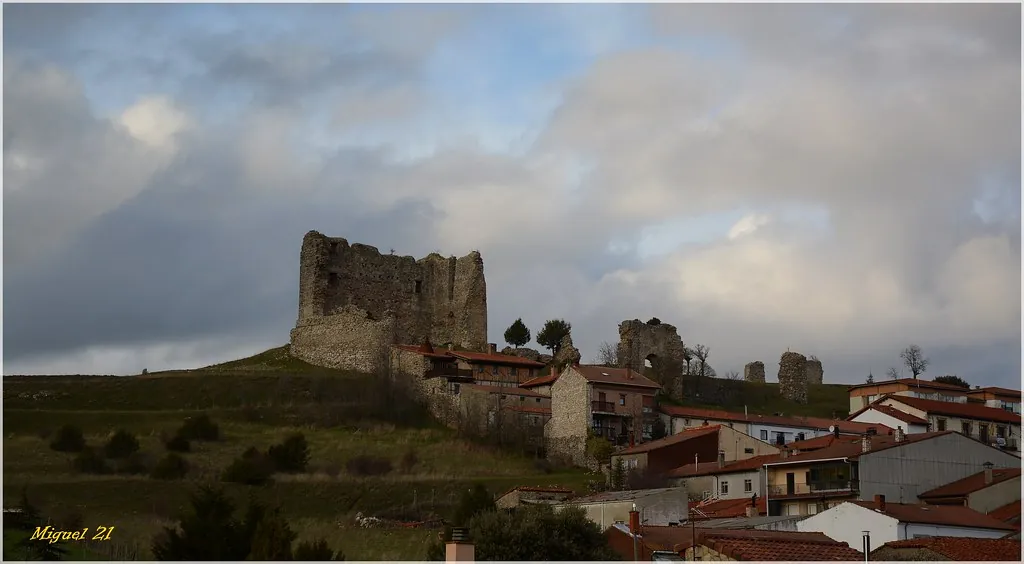
The houses combine stone and wood, many of them with decades behind them. There is nothing elaborate about the architecture. Buildings look as if they were constructed with what was close at hand, the way mountain cabins are imagined in storybooks, except here they are real homes. In the centre stands the church of San Pedro, a clear point of reference when entering the village and an easy way to get your bearings.
The Sea of Pines
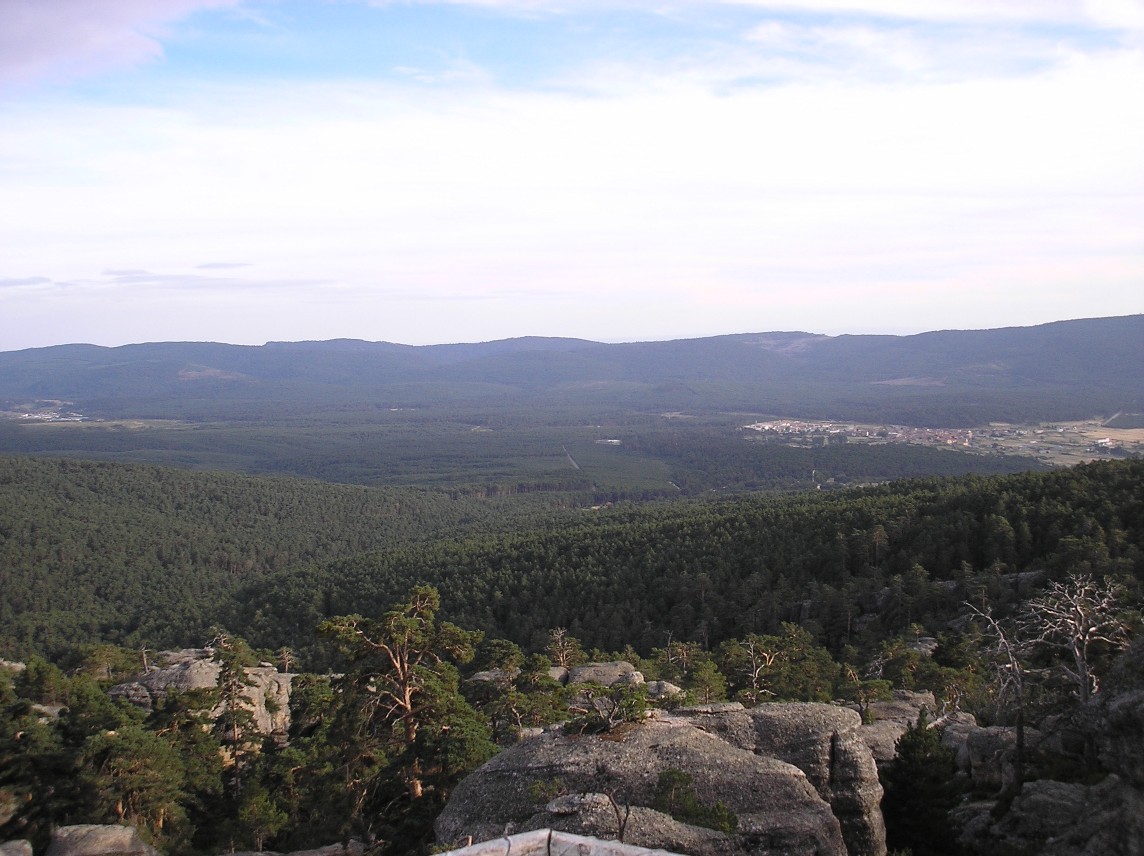
For many visitors, the real reason to come to Salduero lies beyond the built-up area. The pine forests of the comarca de Pinares surround the village on all sides. Walking through them has a pleasant rhythm, like watching waves roll in and out until you lose track of time.
In autumn the ground turns ochre and the scent of resin becomes more noticeable. Winter alters the scene again. When snow falls, sound is muffled, as though a vast carpet has been laid across the forest floor. At these times it is not unusual to come across animal tracks. Deer and roe deer move through this landscape, although spotting them requires patience and a measure of luck.
Early morning and dusk bring further changes. Woodpeckers drum against trunks and birds of prey glide above clearings. Nothing is staged. The experience is closer to sitting quietly on a bench and watching what unfolds around you.
Paths Through Forest and Meadow
Tracks leave the village and head into the woods or cross open meadows. Following them recalls the kind of simple walks many people have done in upland areas: clear paths, the persistent smell of pine, and the sense that there is always more forest beyond the next bend.
In certain clearings the land opens up and reveals the sierra in the distance. As the sun lowers, the shadows of the pines stretch across the grass, lengthening slowly as if the trees themselves were growing taller by the minute.
Autumn introduces another familiar sight in this part of Soria. People wander with baskets in hand, eyes fixed on the ground. Mushroom picking has long been part of life in these forests. Níscalos, known in English as saffron milk caps, are among the most sought-after varieties. There is regulation in place in the area, so it is wise to check the rules before heading out into the woods.
When the Cold Sets In
Winter changes the atmosphere noticeably. Snow appears with some frequency, and forest tracks take on the look of long, white corridors of silence. Think of a city park covered in snow where everyone walks more carefully, then imagine that on a much larger scale.
In nearby villages there are usually areas set up for cross-country skiing or for moving through the snow with rackets, known as snowshoes. There is no need for elaborate plans. Sometimes a short walk through a snow-covered pine forest is enough to understand why this comarca has a reputation for cold weather.
The altitude plays its part. At over 1,000 metres, temperatures drop and the seasons make themselves felt. Each time of year reshapes the same landscape without altering its essential character.
Hearty Food for a Harsh Climate
The local cooking follows the climate. Dishes are substantial, the kind that leave you feeling as though you have just finished a long winter family lunch. Game meats such as partridge or hare appear regularly, often accompanied by mushrooms from the surrounding woods.
The tradition of the matanza, the annual pig slaughter that has shaped rural cooking across much of inland Spain, is still evident in sausages and homemade preparations that continue to be made by some families. This is not decorative cuisine. It leans towards stews and slow-cooked recipes, food designed to warm rather than impress.
The flavours reflect the setting: direct, robust and closely tied to what the land provides. Forest and table remain connected in a very literal way.
Simple Celebrations, Steady Rhythm
Village festivities follow a pattern common in the province of Soria. In June, San Pedro is honoured with religious events and gatherings among neighbours. The church dedicated to the saint becomes the natural focus of these days.
August usually brings the liveliest period of the year, when those with family homes in Salduero return for the summer. The population swells, the square fills up in the evenings, and conversations stretch late into the night.
There are no vast stages or packed programmes of activities. The mood resembles a traditional neighbourhood fiesta: music, familiar faces and a sense that most people know one another.
Is It Worth the Detour?
Salduero is not a destination for ticking off a long list of sights. It works differently. The appeal lies in unplanned walks that last longer than expected, in stretches of forest where very little seems to happen and yet time slips by.
For anyone drawn to the pine forests of Soria, this is one of those villages that lives side by side with the woods. Distractions are few. The surrounding countryside takes centre stage. Days feel unhurried, shaped more by light and weather than by schedules.
Sometimes that is enough.