Full Article
about Talveila
Pine-forest village with an ethnographic museum and fountains
Ocultar artículo Leer artículo completo
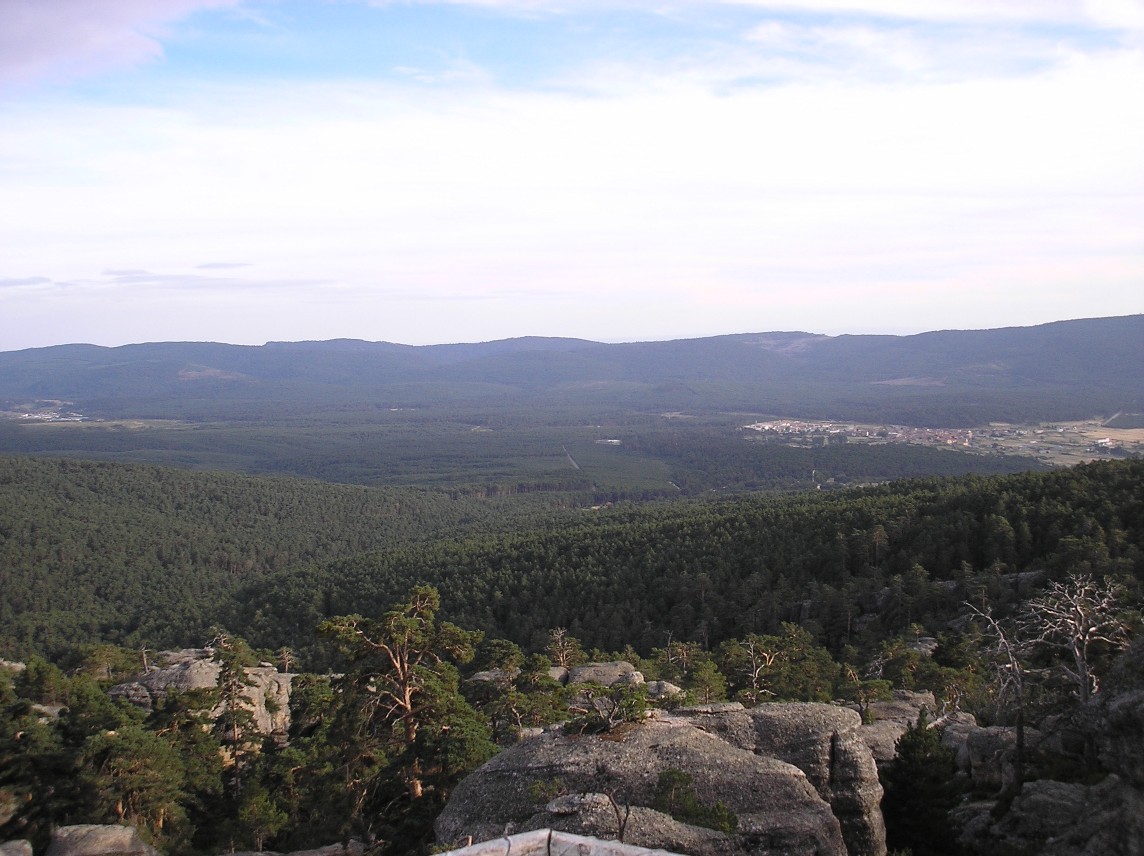
The morning mist clings to the pine forests at 1,064 metres, and Talveila's stone houses emerge like they've grown from the mountain itself. With 102 permanent residents, this Sorian village has more trees than people—a ratio that becomes immediately apparent when the only sounds are your boots on gravel and the occasional bark of a distant dog.
The Architecture of Necessity
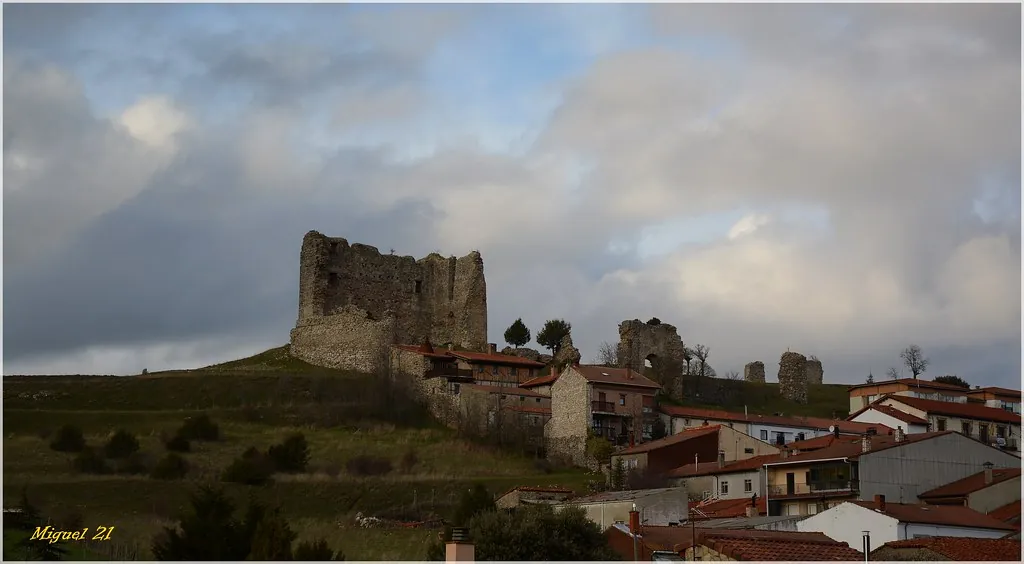
There's nothing picturesque about Talveila's buildings, and that's precisely their virtue. The stone masonry walls, thick enough to swallow window frames, weren't designed for Instagram—they're fortifications against winter winds that sweep down from the Sierra de Urbión. Wooden beams, cut from the same pine forests that surround the village, support roofs angled to shed snow rather than catch the perfect light.
Walk the single main street and you'll notice chimneys protruding at improbable angles, each one a testament to generations of practical problem-solving. The parish church's bell tower dominates the skyline not through grandeur but through necessity—when you've only got one proper church, it needs to be heard across the valley. Traditional houses cluster together for warmth, their adjoining walls creating a honeycomb of insulation that modern eco-developers would envy.
The real architecture lies in the details: hand-forged iron door handles worn smooth by centuries of use, stone thresholds dished from countless footsteps, wooden balconies that sag with the weight of honesty rather than architectural pretension. These aren't heritage features—they're simply what works at this altitude, in this climate, with these materials.
Forests Older Than Memory
Step beyond the last house and civilisation ends abruptly. The Pinares de Soria stretch endlessly, a sea of Spanish black pine that has fuelled the local economy since Roman times. Unlike the manicured forests of Britain's National Trust, these woods remain fundamentally unmanaged—fallen trees lie where they drop, creating habitats for the wild boar and roe deer that you'll almost certainly hear but probably never see.
The forest tracks leading from Talveila aren't marked with reassuring wayposts or interpretive panels. They're working paths, created by timber carts and mushroom hunters, that branch and divide according to logic rather than tourist convenience. Local wisdom suggests downloading the Wikiloc app before setting out, though even GPS can prove unreliable when the canopy closes overhead.
Spring brings a brief, almost violent burst of colour as wildflowers exploit the short growing season. By summer, the forest floor becomes a brown carpet of pine needles that muffles every footstep—ideal for wildlife photography if you've got the patience to sit motionless for hours. Autumn transforms everything as mushroom hunters arrive with their woven baskets and closely-guarded knowledge of productive spots. The níscalo (saffron milk cap) appears first, followed by more exotic species that locals identify with botanical precision but explain only to family.
The Seasonal Rhythm
Winter arrives early at this altitude—often by late October—and stays late. Snow can cut Talveila off for days, though the main road usually remains passable with chains. This isn't romantic winter wonderland territory; it's serious mountain weather that requires proper gear and contingency planning. The village's few services adapt accordingly—the single bar might close early if the forecast threatens, and nobody apologises for putting survival ahead of commerce.
Summer brings relief and visitors. Former residents return from Soria, Madrid, even London, transforming the demographic overnight. The population might swell to 300 during August fiestas, when the plaza hosts verbenas (open-air dances) that continue until sunrise. These aren't tourist events—they're family reunions where outsiders are welcome but not essential.
The shoulder seasons offer the best compromise for visitors. May and September provide clear, crisp days without summer crowds or winter hazards. Temperatures range from 8°C at night to 20°C by midday—perfect walking weather if you pack layers. September particularly rewards the observant: stags roar in the distant valleys, mushrooms push through forest litter, and the light achieves that golden quality photographers chase across continents.
Eating What the Forest Provides
Forget Michelin stars and tasting menus. Talveila's food reflects what grows locally and keeps through winter. The village's single bar serves migas—fried breadcrumbs with garlic and chorizo—that originated as shepherds' fuel for long days in the hills. A plate costs around €8 and arrives sizzling, the chorizo's paprika staining the breadcrumbs red.
Local families still practise the annual matanza—pig slaughter—though it's increasingly ceremonial rather than essential. The resulting embutidos (cured sausages) appear in every kitchen: morcilla (blood sausage) spiced with local oregano, chorizo dried in mountain air, and jamón cured in stone cellars that maintain perfect temperature year-round. If you're offered any, accept gratefully and don't mention cholesterol.
Mushrooms dominate autumn menus when conditions are right. The níscalo appears simply sautéed with garlic and parsley, while more prized species might flavour rice dishes or accompany local lamb. The cordero asado (roast lamb) deserves special mention—milk-fed animals cooked in wood-fired ovens until the meat falls from the bone. It's not cheap at €18-22 per portion, but nothing else tastes quite like mountain-reared lamb seasoned with resin-scented air.
Getting There, Staying Sensible
Talveila sits 45 kilometres north of Soria city along the N-234 towards Burgos. The final approach involves several kilometres of regional roads that demand concentration—Spanish drivers treat these mountain routes like personal racetracks. Car hire from Madrid (2.5 hours) or Zaragoza (2 hours) provides the only practical access; public transport involves multiple changes and arrives at times that suit nobody.
Accommodation options remain limited. The village has no hotel, though several houses offer rooms to let—enquire at the bar and someone will make a phone call. More comfortable bases exist in nearby villages like Navaleno or Covaleda, both within 20 minutes' drive. Expect to pay €50-70 for a basic double room, breakfast optional and usually worth accepting.
Bring cash—card machines remain unreliable and nobody accepts excuses about contactless limits. Fill your petrol tank before leaving the main road, pack walking boots with proper ankle support, and download offline maps. Most importantly, adjust expectations: Talveila offers no attractions, no entertainment, no curated experiences. It simply provides space to walk, time to think, and the rare privilege of being irrelevant to the landscape that surrounds you.