Full Article
about Aranda de Duero
Capital of the Ribera del Duero, known for its underground wine cellars and roast suckling lamb; a leading wine hub.
Ocultar artículo Leer artículo completo
The temperature drops twelve degrees as you descend the stone steps beneath Calle Valdivia. One moment you're on a quiet Castilian street, sun beating down at 798 metres; the next you're in a cathedral of rock, surrounded by 700-year-old wine cellars that stretch seven kilometres under the town. This is Aranda's real map: a subterranean city carved for wine, where locals still lower bottles through trapdoors in their kitchen floors.
Underground and Overground
The bodegas began as family trenches in the 12th century, dug to keep wine at a constant 12 °C without firewood. Over centuries they merged into a labyrinth wide enough for ox-carts, thick enough to survive even the Spanish Civil War bombing raids above. Today you can walk three separate circuits; Tierra Aranda and Don Carlos run English tours if you e-mail the day before (£12, 90 minutes). Turn up without a reservation and you'll get rapid-fire Castilian Spanish, plus the distinct feeling you've missed the joke.
Back at street level the town behaves like any provincial service centre: pharmacies, school satchels, Saturday queues at the cashpoint. The difference is the smell of oak smoke that leaks from roasting rooms behind the main square. Lechazo—milk-fed lamb less than 35 days old—arrives at dawn, spends three hours in a clay oven, then emerges so tender the waiters carve it with the edge of a side plate. A quarter lamb each is plenty; insist on sharing or you'll be rolled back to your hotel. Casa José and Los Huertos de Roque fill up for Sunday lunch by Friday night; book or you'll eat tortilla in a bar that smells of disinfectant.
River, Plain and Sky
The Duero slips past the southern edge, ignored by most visitors who cross the medieval Puente de las Tenerías without realising they're on it. Follow the riverside path west and the traffic fades behind poplars and allotments. In April the banks glow with white poppy; October brings the grape harvest and the smell of crushed skins drifting from loading bays. Cyclists can follow the converted towpath to Peñafiel 28 km away—flat, quiet, and punctuated by herons rather than service stations.
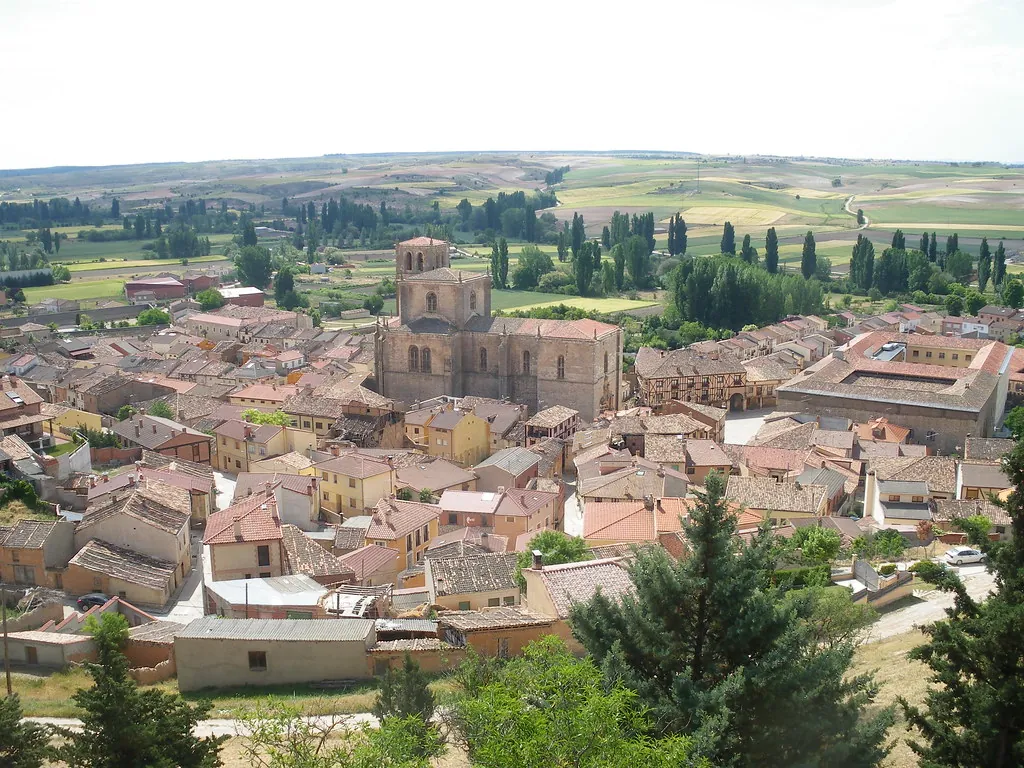
Aranda sits on Spain's northern plateau, meaning winters bite. Night frost in January is routine; snow closes the AP-1 autovia every couple of years. Summer compensates with dry heat and thirties temperatures, but the altitude stops it feeling like Seville. August empties the centre—shop shutters roll down, restaurant owners head for the coast—so aim for late April to early June or mid-September to October. Easter processions are spectacular, but rooms sell out six months ahead and prices jump 40 per cent.
Wine That Refuses to be Optional
Ribera del Duero is not a marketing add-on here; it's tap water with alcohol. House reds appear without asking, and the measure is closer to 150 ml than the cautious Rioja pour. If the local tannins feel aggressive, start with Verdejo whites from nearby Rueda—still Castilian, but lighter and half the headache. Serious tastings happen outside town: Pesquera, Protos and Vega Sicilia lie within 35 minutes' drive. A Designated Driver is non-negotiable; public buses to villages are sparse and taxis back from isolated bodegas cost €40.
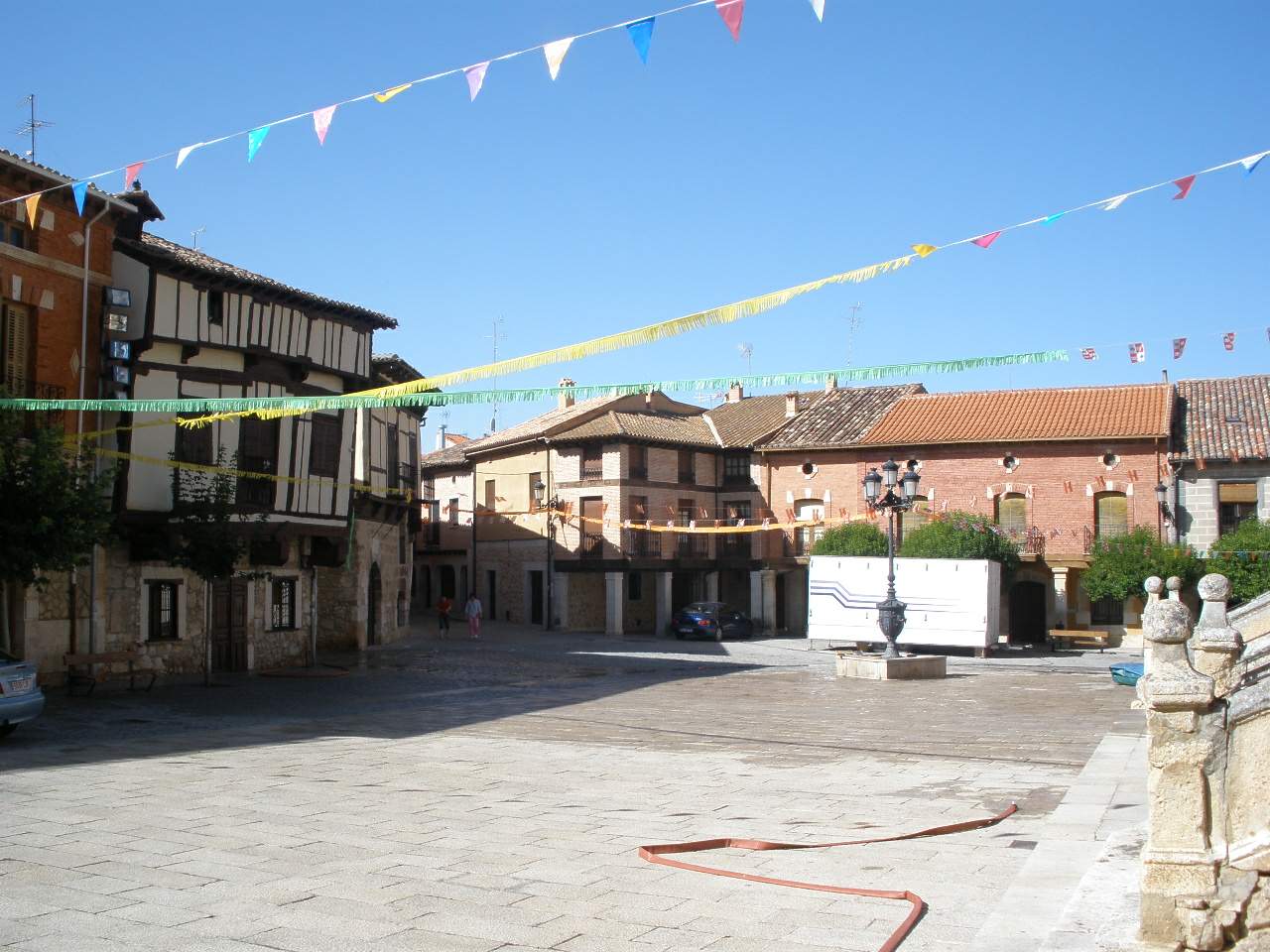
The Wednesday market in Plaza Constitución shows the region on a plate: purple onions the size of cricket balls, chorizo threaded with pimentón that actually tastes of pepper, and tortas de Aranda—thin, oily bread the locals tear apart for breakfast. It's held 9 am–2 pm sharp; pack a tote bag and arrive before eleven or the farmers have already sold out of perretxiku mushrooms.
What the Brochures Don't Mention
Aranda is not postcard-pretty. Much of the centre was rebuilt in concrete during the 1960s wine boom, and you'll walk past bricked-up windows and graffiti you can't politely translate. English is limited outside hotels; pointing and smiling works, but don't expect cocktail-bar chat. Monday morning feels like a hangover—most cafés open at ten, if at all—and if you need a pharmacy after 22:00 you'll drive to the 24-hour one by the hospital ring-road.
Yet the payoff is authenticity. Foreign accents are rare enough that children still stare, and barmen will top up your glass with something they're ageing for their daughter's wedding. Stay at the Hotel NH Palacio de Borgoña (converted 16th-century palace, doubles from €85) or the simpler Acosta Ciudad de Pie de Conde (€55, free parking) five minutes' walk south. Both are close enough to roll home after a five-course lunch that started at 3 pm.
Come with time, not an itinerary. Aranda rewards the unhurried: a second coffee while the church bells strike quarter hours, a detour down a cellar corridor that wasn't on the map, a conversation with a retired vintner who remembers the year your birth vintage was bottled. Leave space for the lamb, the labyrinth and the lingering after-taste of tempranillo that seeps from the stones themselves. You won't leave with a tan, but you might understand why Castilians say the best soil is the kind you can drink.