Full Article
about Caleruega
Birthplace of Santo Domingo de Guzmán; a major historic religious complex.
Hide article Read full article
Caleruega: un pueblo en la Ribera, una orden en el mundo
La historia de Caleruega está escrita en piedra caliza y en los archivos de la Orden de Predicadores. Aquí nació, a finales del siglo XII, Domingo de Guzmán. El hecho, que pudo haber quedado en una nota a pie de página, determinó la evolución de este pueblo de la provincia de Burgos. Su trazado, su arquitectura y su razón de ser durante siglos giran en torno a ese origen.
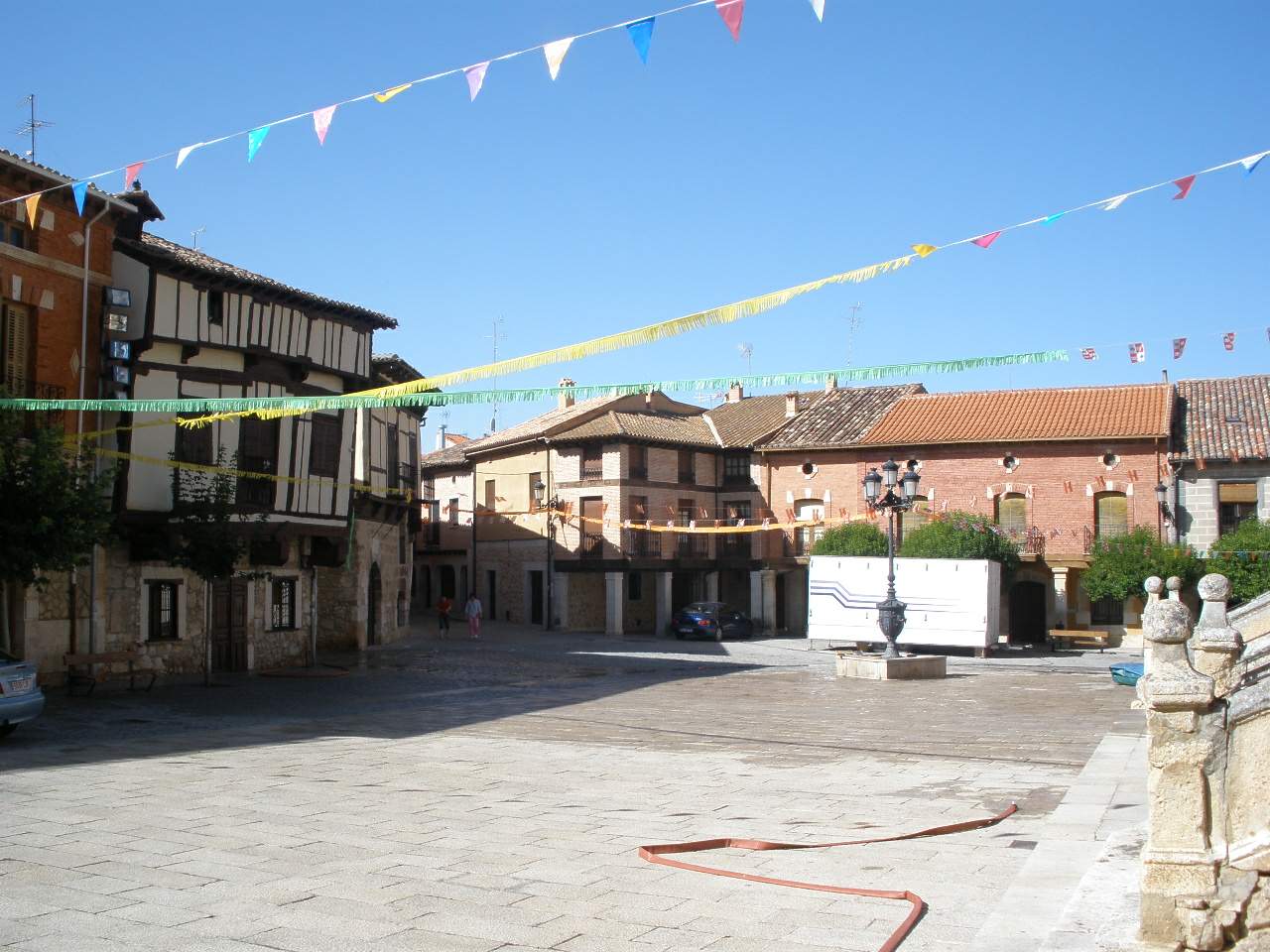
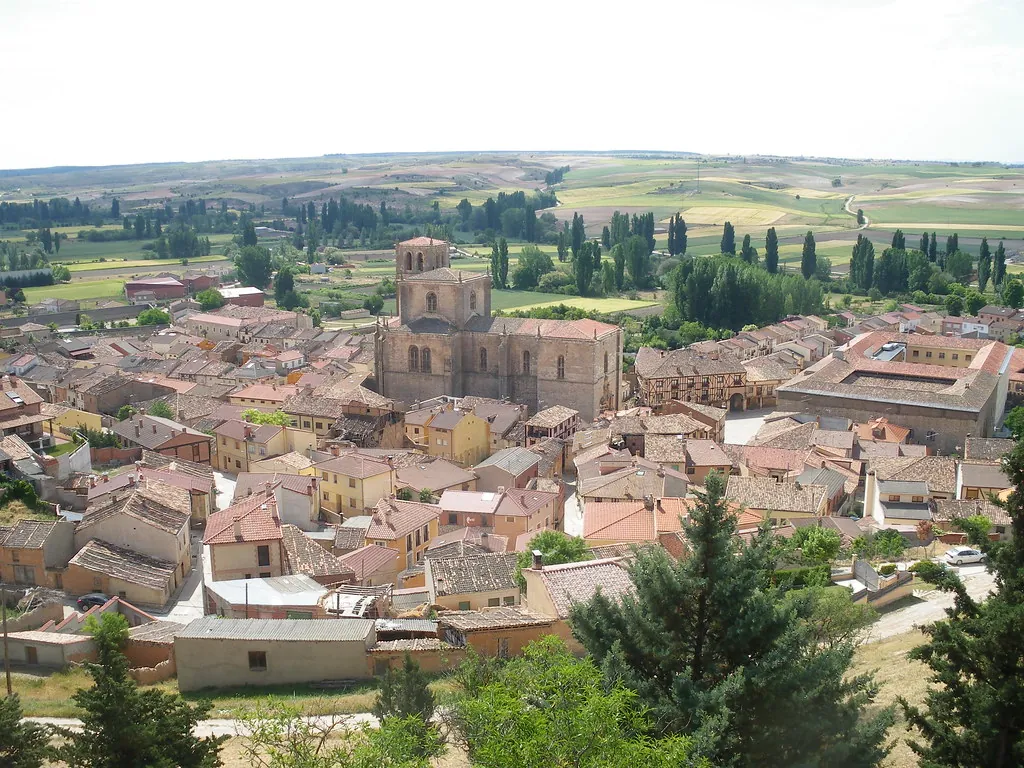
Con menos de cuatrocientos habitantes y situado por encima de los novecientos metros, el ritmo en Caleruega es el de la Ribera del Duero. Pausado, marcado por el ciclo de la vid y el cereal. El conjunto monástico erigido sobre la casa familiar de los Guzmán no es solo el centro geográfico del pueblo; es su eje histórico. Las calles cortas y las casas de mampostería y teja curva parecen gravitar a su alrededor.
El paisaje es el de la meseta burgalesa: lomas suaves, parcelas de viñedo y campos de cereal que cambian de tono con las estaciones. No es un escenario espectacular, pero sí reconocible. La caliza aflora en la tierra y en las fachadas, dando una sensación de solidez y permanencia.
El conjunto monástico y la huella de los Guzmán
El Monasterio de Santo Domingo estructura el casco antiguo. Se levantó a partir del siglo XIII sobre el solar donde, según la tradición, nació el santo. Una comunidad de monjas dominicas lo habita aún. El complejo, resultado de ampliaciones sucesivas, incluye iglesia y claustro. Su escala es notable, pero no desproporcionada para el pueblo.
Integrada en el conjunto, la torre del homenaje recuerda el carácter defensivo original del lugar. Desde su base se entiende la relación del pueblo con el campo circundante. Cerca se alza el torreón de los Guzmanes, una estructura militar del siglo XII vinculada al antiguo palacio familiar. Su estilo románico es poco común en esta zona de Castilla y León. Conviene informarse sobre su horario de visita, ya que no siempre está abierto.
La iglesia parroquial de San Sebastián, de finales del gótico, es de una sobriedad característica. En su interior, frío en invierno como es habitual en estas latitudes, se conservan varios retablos.
Salir del núcleo urbano es inmediato. Los viñedos comienzan a escasos metros de las últimas casas. Caleruega pertenece a la Denominación de Origen Ribera del Duero, y ese vínculo se percibe en el paisaje. Los caminos entre las parcelas, muchos de ellos de servicio agrícola, permiten comprender la escala real del lugar. Hay que transitarlos con respeto, cediendo el paso a la maquinaria.
El Camino de la Luz enlaza varios puntos relacionados con la vida de Santo Domingo. No es una ruta larga; funciona más bien como un paseo que mezcla patrimonio y campo abierto.
Paisaje, viñedo y una cochera con tradición
Los senderos alrededor del pueblo permiten paseos sin gran desnivel. Atraviesan viñedos, alguna encina aislada y campos de labor. En verano, el sol es intenso y la sombra escasa.
La viticultura es el motor económico. En localidades cercanas hay bodegas que realizan visitas, normalmente con cita previa. Su evolución explica en parte la transformación reciente de esta comarca burgalesa.
Para la fotografía, o simplemente para observar, la última hora de la tarde suele ser acertada. La luz lateral marca la geometría de las vides y los volúmenes del monasterio. Si se puede acceder a la torre del homenaje, la vista desde lo alto confirma la inmensidad llana que rodea al pueblo.
La cocina local es la de la provincia de Burgos. El lechazo asado, la morcilla, los embutidos y los quesos de oveja forman parte de la despensa habitual, no de un espectáculo para foráneos. Son productos de la ganadería y las economías domésticas rurales.
El 8 de agosto y el pulso del pueblo
Las fiestas en honor a Santo Domingo se concentran alrededor del 8 de agosto. Esos días, el pulso del pueblo cambia. Ceremonias religiosas, encuentros vecinales y algún acto cultural recuerdan la figura que dio proyección histórica a Caleruega.
Incluso con visitantes, la atmósfera sigue siendo la de un pueblo pequeño de la Ribera. Las calles se llenan, pero dentro de los límites que impone su tamaño. Se nota más el sentido de comunidad que cualquier fastuosidad.
Caleruega no apela al exceso monumental ni al paisaje dramático. Su interés reside en la continuidad: un nacimiento medieval que fundó una orden, un monasterio que sigue vivo, unos campos que se trabajan. Para quien busque los orígenes de Santo Domingo, la textura de la vida rural castellana o los rincones menos transitados de la Ribera del Duero, el pueblo constituye un conjunto coherente y sin pretensiones.