Full Article
about Gumiel de Izán
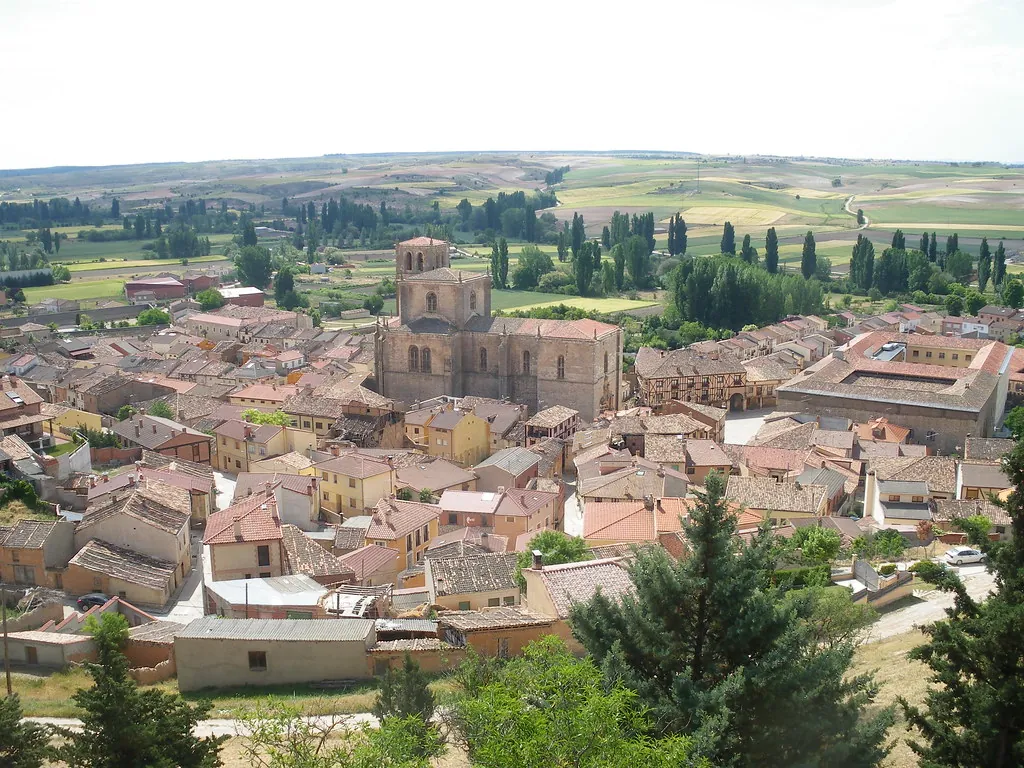
Riverside town with a monumental church known as the Petra of the Ribera.
Hide article Read full article
Travelling through this part of the Ribera del Duero brings a small surprise. For kilometres there are vineyards and quiet roads, then suddenly a village like Gumiel de Izán appears, with the feeling of a place that has simply carried on, focused on its own work. It is not somewhere built around being featured in guidebooks. Here, wine is not decoration. It shapes the pace of daily life.
At around 850 metres above sea level, this municipality of just over five hundred residents remains closely tied to the land around it. The underground cellars, carved into the rock centuries ago, tell much of that story. They are not museums or staged spaces for photographs. Many are still in use, with families storing wine there because the caves keep a steady coolness that modern systems struggle to match.
The surrounding landscape is typical of the Ribera del Duero. Gentle hills covered in vines, patches of cereal crops, and the Duero river crossing the region with a calm, steady presence. This is not a place for ticking off monuments. It makes more sense to walk along the agricultural tracks, notice how the vines change with the seasons, and listen to the quiet, occasionally broken by a tractor in the distance.
A village shaped by time
The most recognisable building in Gumiel de Izán is the parish church of San Pedro. It began as a Romanesque structure and has changed over the centuries, as many village churches do, adapting to each period. Its square tower is visible from many points in the village and works as a reference when navigating the narrow streets.
The underground cellars are another defining feature. Many are dug beneath houses or into small nearby hills, forming a network of galleries that maintain a stable temperature throughout the year. Some can be visited if arranged in advance or if you happen to meet someone willing to show them. It is not always a formal setup. Access often depends more on direct contact than on signs or organised schedules.
Walking through vineyard country
One of the simplest ways to spend time in Gumiel de Izán is to walk along the paths that surround the village. There is no need for much preparation. These are agricultural tracks used by the winegrowers themselves to reach their plots.
The landscape shifts completely with the seasons. In spring, the vines begin to sprout and the fields turn a bright green. Summer brings fuller vines and rising heat. Autumn is perhaps the most striking moment, when the leaves change colour just before the grape harvest. In winter, the scenery becomes more stripped back, with that open, austere look often associated with Castile.
These are working paths, so it helps to stay aware of what is happening around you. If machinery or people are working in the vineyards, the usual approach is to step aside and give them space.
Wine as everyday life
In the Ribera del Duero, wine connects almost everything, and that is clear in Gumiel de Izán. In the surrounding area there are several wineries where the full process can be understood, from vineyard to bottle. It is common to arrange visits in advance, especially during busier periods such as the grape harvest or certain weekends.
There is also the more straightforward side of things: sitting down to eat as people have long done here. Hearty oven dishes, warming recipes during colder months, and a local red wine alongside. The food is not elaborate, but it is closely tied to local produce and tradition.
Festivities and local rhythm
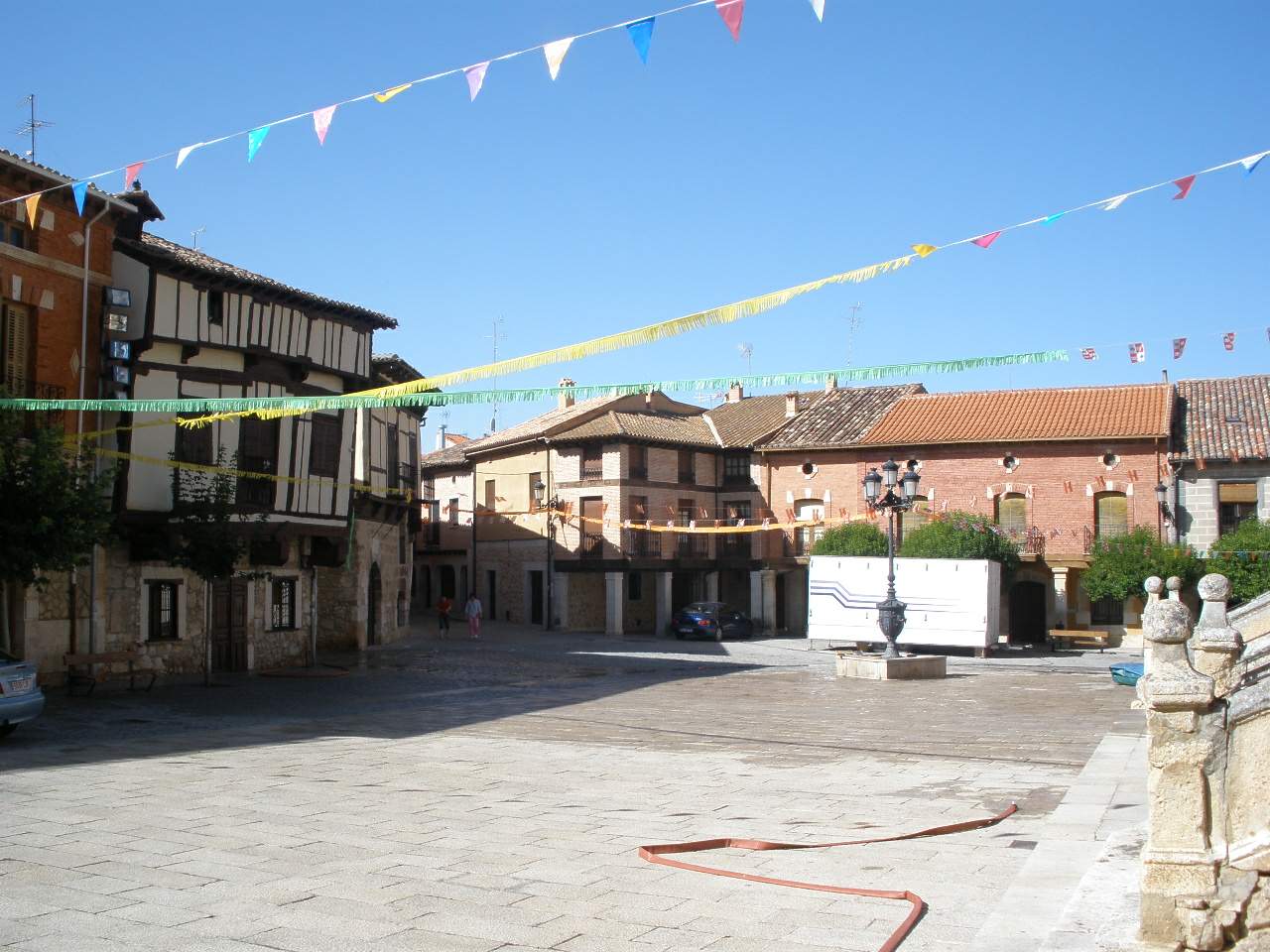
The patronal festivals dedicated to San Roque usually take place around mid-August. These are traditional village celebrations, with processions, music, and a lively atmosphere in the streets. There are no large-scale productions or big stages. The focus remains on the community, with much of the village taking part.
Gumiel de Izán is best understood without rushing. A walk through its streets, a look inside an old cellar, or simply spending time watching the vineyards is enough to begin to pick up its rhythm. It moves at a different pace from faster forms of tourism. Everything feels a little slower here, and that is part of its appeal.