Full Article
about Villalba de Duero
Riverside town near Aranda; noted for its church and river setting.
Ocultar artículo Leer artículo completo
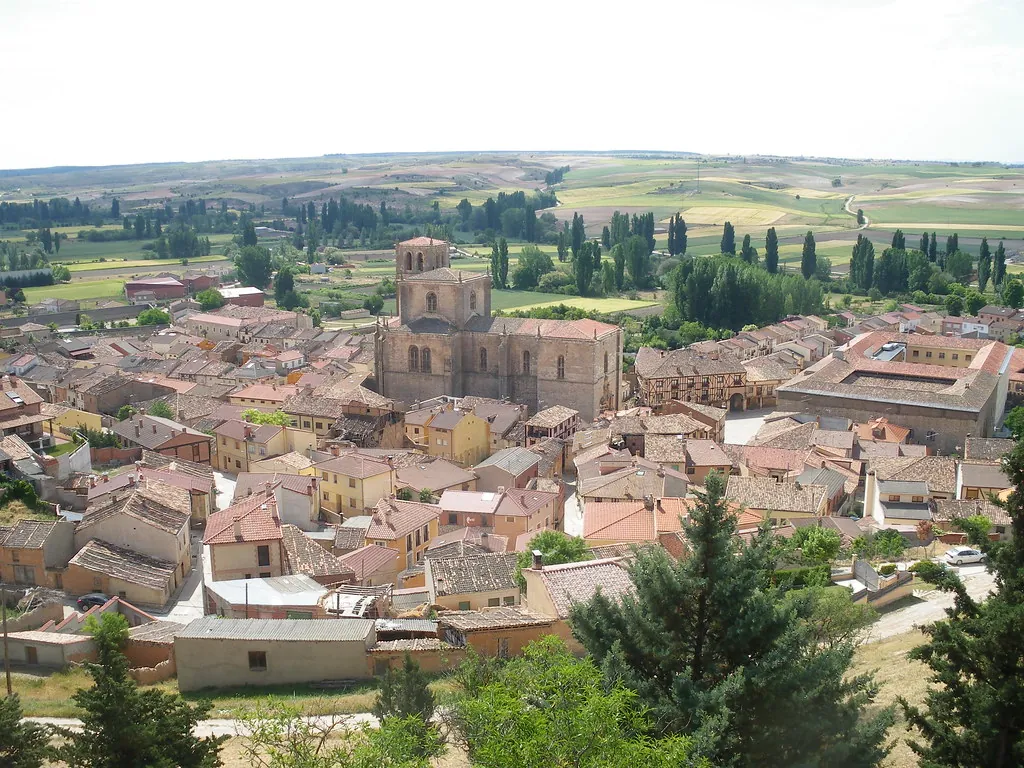
The church bell tolls twelve and the only reply is a tractor reversing into a stone barn. No souvenir stalls, no multilingual menus, not even a cash machine—just the smell of diesel, earth and fermenting grapes drifting up from cellar vents cut into the hillside. At 815 m above sea-level, Villalba de Duero sits high enough to escape the Duero’s summer haze yet low enough for the river’s alluvial tongue to fatten the vineyards that wrap the houses on every side. The result is a place that feels like a working farmyard that happens to have streets.
A Village that Lives Underground as Much as Above
Stone houses climb a gentle ridge, their ground floors painted the traditional dusty pink to hide the ochre clay that streaks down after rain. Between them, iron grilles the size of pizza boxes exhale cool air—mouths of the bodegas subterráneas, family cellars hacked into the limestone centuries ago and still in use. Peer through and you may catch the glint of stainless-steel vats squeezed beside hand-hewn arches. The network is so extensive that neighbours joke they could walk to the next village without seeing daylight; in truth the tunnels peter out after a hundred metres, but the aroma of last year’s Tempranillo lingers like incense.
Visitors expecting public tours will be disappointed—most cellars hold 30,000 litres, just enough for the owner’s label and the local restaurants. The closest you’ll get is Restaurante La Fonda del Prado where the owner, Jesús, will fetch a crianza from his own cave if you ask after the wine list. A glass costs €2.80, served in a chunky tumbler rather than a stem, because “this isn’t Madrid”.
What to do When the Vineyards Outnumber the People
There are no monuments to tick off, only patterns of cultivation to read. Walk east along Calle del Pilar and the tarmac gives way to a gravel farm track that threads 4 km through orderly rows of vines towards the hamlet of La Horra. Signs nailed to posts show a stork silhouette and the single word Humedales; follow them and the vines suddenly part into a reed-fringed lagoon where herons pick between the reeds and red-legged partridge sprint across the path like extras in a period drama. The loop is flat, takes forty minutes, and the only sound is the wind rattling plastic guards that keep rabbits from the young grafts.
Cyclists can join the carril bici that shadows the CL-619 as far as Aranda de Duero, five kilometres north. The cycle lane is smooth, but the lorries thundering past at 90 km/h remind you this is still Spain’s arterial wine corridor. Better to turn south instead on the dirt track signed Ruta del Duero; after 6 km you reach a ruined Roman bridge where the river bends wide enough to reflect the escarpment without a single pylon. Pack water—bars don’t reappear until you’re back in the village square.
Monday is the Enemy
Practicalities first: draw cash before you arrive. The nearest ATM is in Aranda and the village shop—Alimentación Mary- closes Saturdays at 14:00 and all day Sunday. Mondays are a double blow: the winery bodega Bela won’t unlock its gates and Mary keeps the metal shutter down. Even the parish church of San Esteban Protomártir stays shut unless you tracked down the key-keeper the night before. Come Tuesday and normal service resumes: bread van at 09:00, farmers drinking carajillos (coffee laced with brandy) in the bar by ten, smell of garlic and paprika drifting from kitchen vents as wives prepare the weekly cocido.
If you do land on a Monday, console yourself with lunch at Fonda del Prado—open every day except Tuesday. Order chuletón de Ávila to share (€38 per kilo) and they’ll bring a slab of beef the size of a shoebox seared on the outside, scarlet within. Vegetarians get scrambled eggs with setas (wild mushrooms) for €9, still regarded locally as a meat-free revolution.
Seasons Spelled Out in Colour and Calories
April paints the valley an almost English green; cowslips appear between the vines and the temperature hovers around 18 °C—perfect for walking before the siesta hours shut everything down. By July the mercury can top 35 °C and shade is non-existent; the village empties as field hands start at dawn and sleep through the afternoon. Late September is show-time: tractors towing gondolas of black grapes clog the main street and the air smells like Christmas pudding. You’re welcome to watch but keep your feet clear of the conveyor belts that tip fruit straight into the de-stemmers—this is production, not theatre.
Winter brings its own theatre of fog. At 800 m the village sits just below the temperature inversion layer; mornings start at –4 °C and the mist refuses to lift until coffee time. Photographers love the way stone chimneys poke through the cloud like exclamation marks, but drivers hate the ice that hides in the shadows of the CL-619. If you’re renting, request winter tyres—Hertz at Madrid will shrug and say “this is Spain” until you point at the forecast.
Where to Lay Your Head (and Why You Might Not)
There is no hotel. The closest beds are in Aranda: the three-star Aranda* with underground parking and a surprisingly good Ribera wine list, or the smarter Hospedería de los Reyes inside a 15th-century palace. Villalba itself offers two rural apartments—Casa de la Villa and El Rincón de San Esteban—booked through the regional tourist board. Both have been restored by London-returned siblings who kept the beams, added under-floor heating and resisted the urge to paint everything Farrow-&-Ball white. Expect nightly rates around €80 including firewood and a bottle of the owner’s roble left on the kitchen table. Check-out is 12:00, but no one will hurry you if the mist still looks atmospheric.
A Parting Glass at Street Level
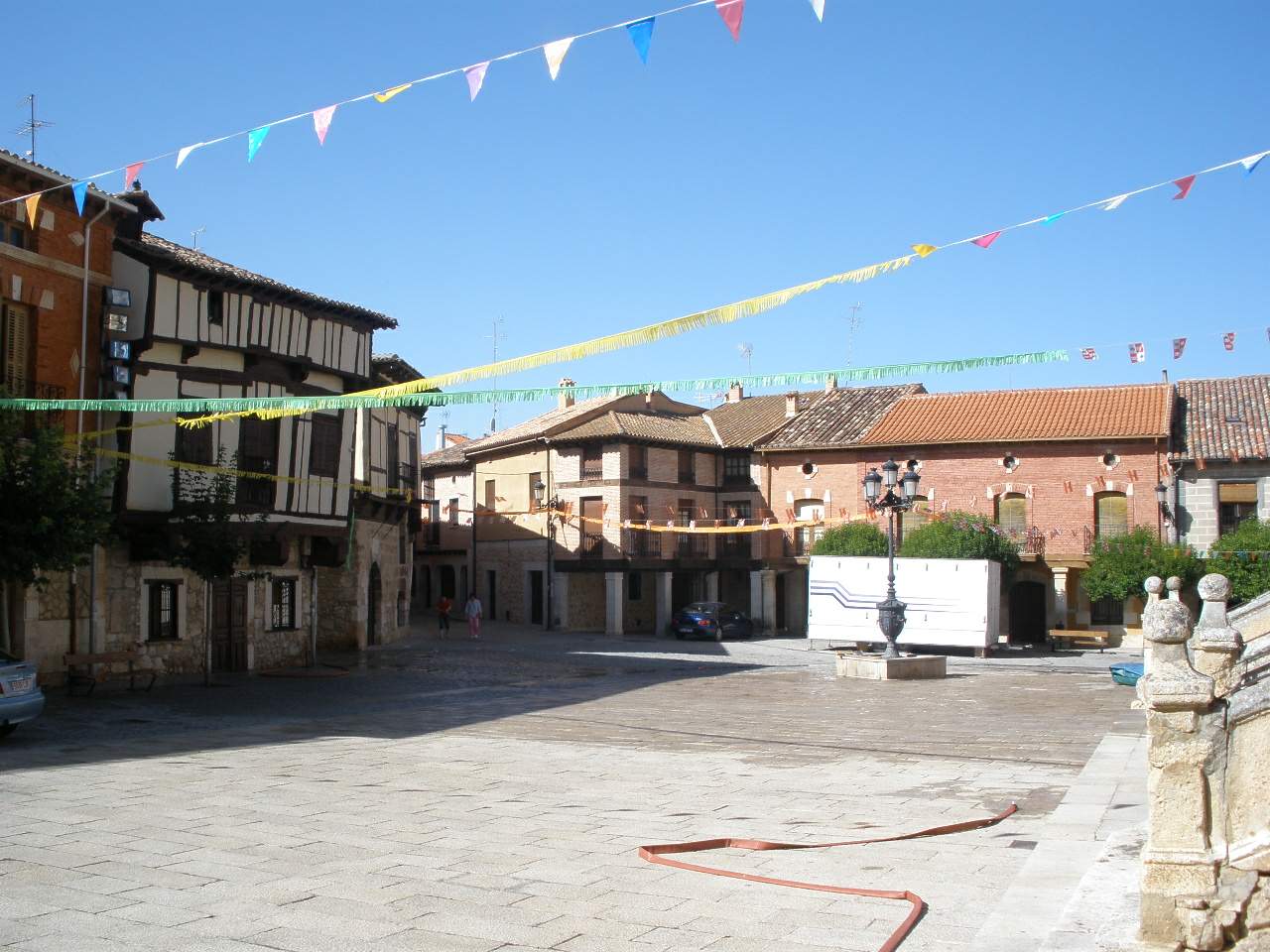
By ten o’clock the square is silent except for the click of the traffic light that isn’t there—an orphaned pole installed twenty years ago when the mayor predicted a bypass. It flashes amber to an empty road, a neat summary of Villalba’s relationship with hurry: prepared for the rush that never arrived. Raise your glass to that, finish the last of the tinto, and drive back to Madrid in under two hours. You won’t have bought fridge magnets; you will have tasted wine that never left the village, walked vineyard tracks without another footprint and learnt that, in this corner of Castilla, Monday really can be a day of rest.