Full Article
about Salamanca
Hide article Read full article
At half past eight in the morning, the light slips across the Villamayor stone and turns it almost edible, like the crust of warm bread. Plaza Mayor smells of toast from bars just lifting their shutters, strong coffee and the sharp trace of student cologne as someone hurries across with a rucksack slung over one shoulder. Pigeons have beaten everyone to it, weaving between chairs still stacked on tables. At this hour, tourism in Salamanca has yet to claim the square and the city’s heart beats more slowly.
Stone That Shifts with the Sun
Walking through Salamanca means watching the sun redraw the buildings hour by hour. The University, its façades crowded with reliefs where one figure seems to merge into the next, moves from gold to ochre as the day unfolds. In the Patio de Escuelas, there is always someone searching for the famous frog hidden among the plateresque decoration. A Japanese student may wait with camera poised, hoping a passer-by will point out the exact spot. Tradition says that anyone who finds it unaided will pass their exams. In reality, many end up photographing any small bump that resembles an amphibian from a distance.
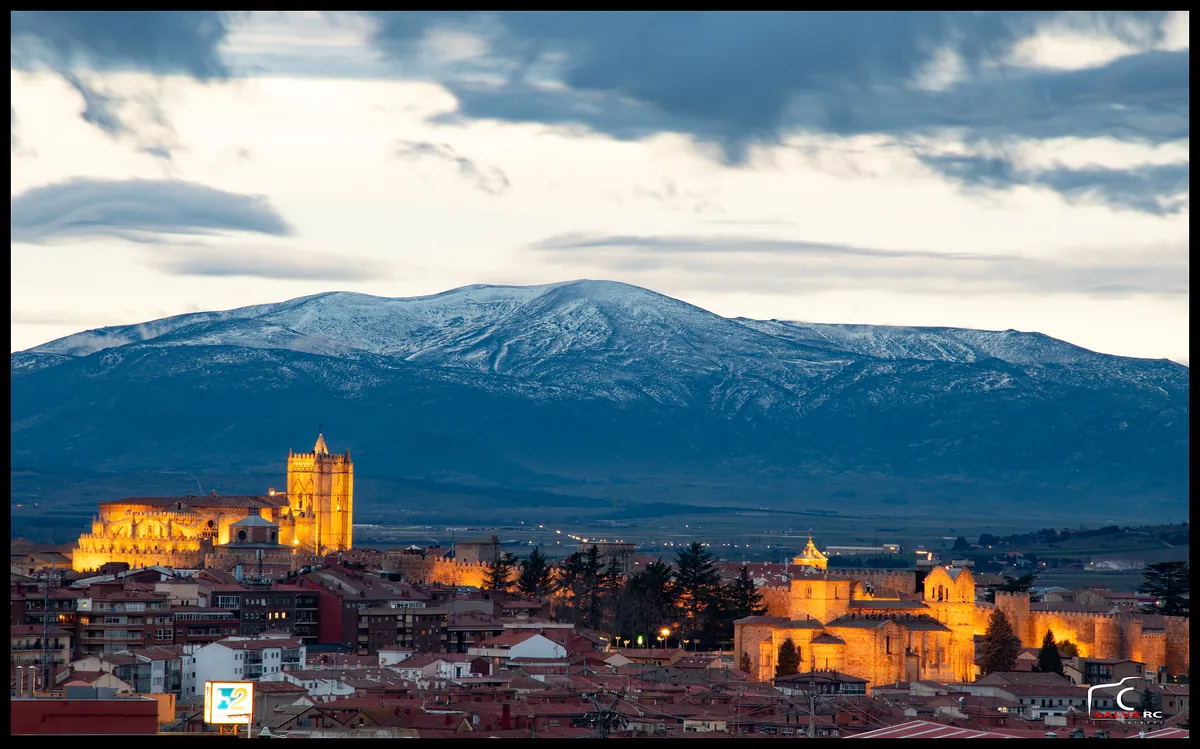
The Catedral Nueva dominates the skyline. Visitors can climb its towers via the route known as Ieronimus, a network of narrow staircases and passageways where the stone holds the scent of damp and old wax. From above, storks’ nests are scattered across the rooftops and the river Tormes curves westwards. Along the way, mason’s marks appear carved into the walls: names, symbols, even the occasional heart scratched centuries ago by someone working high above the ground.
Salamanca rewards patience. Sit for a while and the colour changes again. By late afternoon, façades that looked pale at noon deepen into honeyed tones. When evening falls, the same stone seems to gather the last light and hold it.
The Taste of Lunes de Aguas
Hornazo smells like a Sunday at a grandmother’s house, although in Salamanca it belongs above all to the Lunes de Aguas. On that Monday after Easter, locals head to the banks of the Tormes or nearby parks carrying this substantial pie under their arms. Its golden crust usually hides pork loin, chorizo and hard-boiled egg, a filling that does not hold back. The tradition dates back to earlier university times, when certain freedoms restricted during Lent were restored afterwards. Lunes de Aguas became a day to step outside, eat well and mark the return to ordinary life.
Food threads through daily routines too. The Mercado Central, built on the site of a former convent, starts early. Cuts of Iberian pork hang from the meat stalls and roast suckling pig, known as tostón, sits in display cases with skin that promises a crisp bite. Many customers are known by name. The rhythm is unhurried: conversation, brown paper wrapping, a knife slicing ham into thin slivers. Around midday, some stalls with counters fill with neighbours dropping in for something quick and students in search of a simple set menu.
Salamanca’s appetite is direct and grounded. Dishes are robust, portions generous, and meals often stretch into conversation. Even in the busiest moments, there is space for a few words exchanged across a counter.
When Night Feels Younger Than Day
As darkness falls, the area around Calle Libreros and the surrounding streets shifts in tone. English, Italian and Portuguese float through the air. Exchange students quickly learn two essential words: caña and pincho, a small beer and a snack to go with it. Terraces fill up and the murmur of conversation blends with the sound of wheeled suitcases rattling over cobbles.
By late autumn, you might find yourself caught in what they call Nochevieja Universitaria. This student celebration brings New Year’s Eve forward by several weeks. Plaza Mayor fills with young people carrying bags of grapes and bottles of inexpensive cava as the clock chimes overhead. The ritual mirrors Spain’s traditional New Year custom of eating twelve grapes at midnight, but here it belongs to the academic calendar rather than 31 December.
Summer brings fiestas along river walks where temporary stalls appear with music playing and burnt sugar from fairground treats drifting through warm air long after dark.
In these hours, Salamanca feels suspended between centuries. Ancient stone forms the backdrop, yet the voices are young and unmistakably current.
The River That Watches
From the Puente Romano, you can see where floods have left their marks on old stonework beneath your feet; some arches here are Roman originals worn smooth by time but still standing firm against modern traffic crossing them daily without noticing history under their wheels—a quiet testament indeed! On either side stretch paths filled towards evening with runners or couples walking dogs before dinner time arrives again soon enough…
Pilgrims sometimes pass this way on Camino de Santiago following Vía de la Plata route northwards after resting here overnight perhaps? They cross at an unhurried pace carrying large backpacks showing wear from many miles already traveled—their faces tell stories without words spoken aloud between strangers meeting briefly then parting ways once more…
In winter months mist rises off water wrapping itself around cathedral towers until they seem floating above rooftops like ghosts haunting cityscape below softened edges blurred outlines muffled sounds making everything feel quieter than usual even though life continues indoors where fires burn brightly against cold outside world waiting patiently for spring return someday soon maybe?
A Practical Rhythm
September is often when you feel its pulse most clearly: students return filling streets with bicycles clattering over cobblestones while doors slam shut behind them echoing down narrow alleyways leading nowhere fast except maybe another lecture hall somewhere nearby… Afternoons remain long enough for exploring without hurry before sunset paints everything golden once more reminding us why we came here first place perhaps?
August brings heat that sits heavy on stone; Villamayor sandstone stores warmth like an iron left out too long under midday sun making narrow streets feel oppressive between two o’clock four when shade becomes precious commodity sought after eagerly by those who know better than wander aimlessly during siesta hours instead seeking refuge indoors until cooler evening breezes arrive bringing relief along with first stars appearing overhead slowly one by one…
Getting lost here isn’t about losing your way but finding different pace altogether—a turn towards University leads past carved façades where frog hides still waiting discovery while walk down Tormes ends watching current slide past ancient bridges holding secrets centuries old within their stones whispering tales only river hears fully understood perhaps never fully told either way matters little really because sometimes just being present enough isn’t it?