Full Article
about Palacios de Sanabria
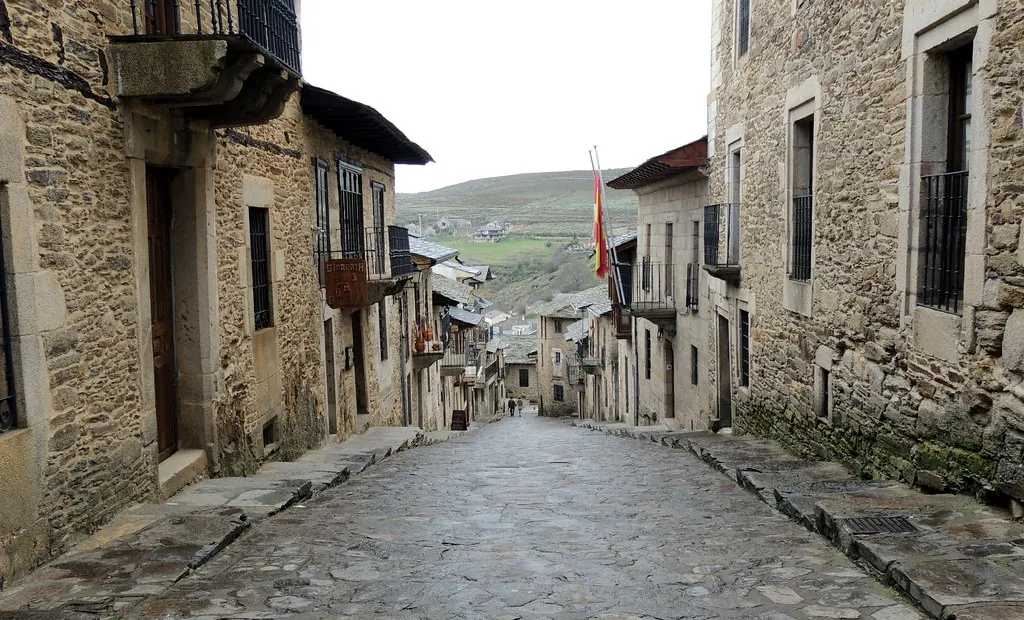
Sanabrian village with well-preserved traditional architecture, surrounded by oak and chestnut forests near Puebla de Sanabria.
Hide article Read full article
Palacios de Sanabria: un pueblo de piedra y nieve
Palacios de Sanabria se encuentra en la vertiente occidental del Parque Natural del Lago de Sanabria, a unos 950 metros de altitud. Su historia, como la de tantos pueblos de esta comarca, está escrita en la relación con un clima duro y un terreno quebrado. La población actual ronda los doscientos habitantes.
El caserío se asienta en un pequeño valle, entre prados y manchas de roble y castaño. El agua de los arroyos que bajan de las laderas ha condicionado desde siempre el trazado de las calles y los caminos de acceso. La nieve es habitual en invierno, un factor que durante siglos determinó la forma de construir. La lógica era práctica: protegerse del frío. Se usó granito para los muros, pizarra para los tejados, y las casas adoptaron volúmenes compactos para conservar el calor. No hay arquitectura señorial. Lo que se ve es el resultado de modificaciones acumuladas durante generaciones, cada una respondiendo a una necesidad concreta.
La iglesia y la arquitectura doméstica
En el centro del pueblo está la iglesia parroquial de la Asunción, un edificio sobrio de piedra con una torre sencilla. No es monumental, pero ocupa el lugar central en la vida del pueblo. En Sanabria, la iglesia solía cumplir una doble función: religiosa y de punto de encuentro para los asuntos de la comunidad.
A su alrededor, las viviendas tradicionales mantienen muros gruesos y tejados de fuerte pendiente. Algunas conservan los corredores de madera orientados al sur, una solución para captar luz y calor en los meses fríos, no un elemento decorativo. El paisaje construido incluye también los restos de la vida agropecuaria: corrales, pequeñas tenadas y lavaderos de piedra junto a los manantiales. Son estructuras menores que, en conjunto, explican cómo se organizaba el trabajo y la gestión de los recursos.
Los caminos de siempre
El entorno inmediato de Palacios se recorre por una red de senderos que conectan prados, huertos y bosques bajos. Estos caminos no se hicieron para el paseo; son las viejas conexiones con las aldeas vecinas o los accesos a los pastos. Por eso, la señalización a veces es escasa y conviene fijar bien la dirección antes de salir.
Por estos bosques aún es posible ver corzos o escuchar rapaces si se camina sin prisa. El carácter del lugar cambia con las estaciones: en otoño es frecuente la niebla baja en el valle al amanecer; en invierno, la nieve cubre el terreno y puede dificultar el paso por algunas rutas. Este paisaje no está dispuesto para el espectáculo. Muestra un uso prolongado, marcado por la agricultura, la ganadería y las propias limitaciones del terreno. Caminar por él da una idea de cómo el movimiento entre pueblos dependía del conocimiento del territorio, no de un trazado oficial.
La cocina del clima frío
La gastronomía aquí pertenece a la tradición sanabresa. Responde a un clima con inviernos largos, donde predominan los platos de cuchara, las legumbres y los guisos de cocción lenta. Son recetas prácticas, pensadas para aportar calor y energía.
En muchas casas se siguen preparando estos guisos, junto a embutidos de la matanza y dulces caseros, a menudo vinculados a momentos estacionales o a las labores del campo. La matanza del cerdo, un evento comunitario que aseguraba las provisiones para el año, ha dejado una huella profunda en las costumbres alimentarias.
En el pueblo mismo hay pocas opciones para comer. Lo habitual es desplazarse a alguna de las villas mayores de la comarca. Esto refleja el tamaño reducido de Palacios y su carácter principalmente residencial.
El ritmo del año: verano y fiesta
La actividad festiva principal se concentra en los meses de verano. Es entonces cuando regresa mucha gente que vive fuera el resto del año. La población aumenta y el ritmo cambia: comidas compartidas, música y encuentros entre familias pasan a primer plano.
La fiesta de la Asunción tiene un peso especial en el calendario local. Como en tantos pueblos de la zona, mezcla el acto religioso con la reunión social. No es un evento pensado para el forastero; funciona sobre todo como punto de reencuentro para quienes mantienen vínculo con el lugar, ya vivan aquí o vuelvan solo temporalmente.
Estos momentos subrayan cómo el pueblo sigue funcionando como una comunidad con lazos persistentes, pese a su escasa población habitual. El ritmo anual lo marcan más estas citas de regreso y convivencia que cualquier dinámica turística.
Cómo llegar y moverse
Se accede por carretera desde Puebla de Sanabria, el núcleo principal de la comarca. Desde allí, las carreteras locales se dirigen hacia los pueblos del lago y del valle. El último tramo discurre entre prados y bosquetes antes de llegar al caserío.
Aparcar dentro del pueblo no suele ser complicado, excepto en los días de fiesta mayor, cuando aumenta la afluencia. El propio acceso refleja el carácter general de la zona: rural, poco alterado y estrechamente ligado al paisaje que lo rodea.