Cataluña - Tomo I - España, sus monumentos y artes, su naturaleza e historia - La Canonja de Barcelona (page 106 crop).jpg
Pablo Piferrer / Francisco Pi y Margall · Public domain
Castilla y León · Cradle of Kingdoms

Pías

The road to Pías climbs steadily through oak scrub until the tarmac gives up entirely. At 1,060 metres, the engine note changes; even in summer, th...

91 inhabitants · INE 2025
1063m Altitude

Why Visit

Mountain slate-roof architecture and wind power Church of San Martín

Best Time to Visit

agosto

High-altitude hiking San Martín (noviembre)

Things to See & Do
in Pías

Heritage

  • slate-roof architecture and wind power

Activities

  • Church of San Martín
  • windmills

Festivals
& & Traditions

Fecha San Martín (noviembre)

Senderismo de altura, Fotografía

Las fiestas locales son el momento perfecto para vivir la autenticidad de Pías.

Full Article
about Pías

High-mountain municipality on the border with Galicia; known for its green landscapes

Ocultar artículo Leer artículo completo

The road to Pías climbs steadily through oak scrub until the tarmac gives up entirely. At 1,060 metres, the engine note changes; even in summer, the air thins and carries the scent of granite warmed by sun. Mobile signal drops away here, though nobody much minds. This is Sanabria country, where the Sierra de la Culebra rolls like a backbone across Zamora province, and villages survive on stubbornness rather than footfall.

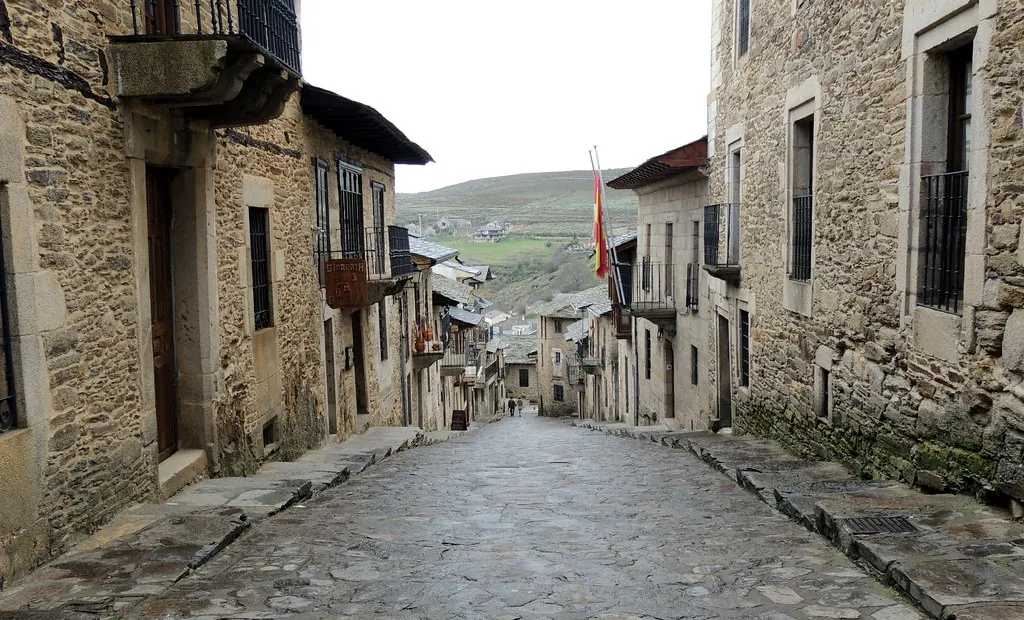
Pías keeps no grand plaza, no castle ruins to photograph. Instead, stone houses shoulder together against the wind, their slate roofs weighted with rocks that would otherwise lift in winter gales. Perhaps a hundred people remain year-round, though census figures blur when half the doors stay locked until August, when emigrants return from Valladolid or Madrid and the night air fills with voices that have spent eleven months elsewhere.

Morning starts early. At dawn, the valley below can sit five degrees warmer than the village square; by midday the difference flips, so walkers setting out in T-shirts often return searching for jumpers they left behind. The phenomenon draws meteorology students from León University, who haul instruments up the track past the last farmstead and pitch tents beside the stone shepherd hut at Cueto de los Lobos. They measure inversions, but everyone else simply calls it “the weather doing its thing”.

Stone, Slate and the Sound of Nothing

Architecture in Pías was never decorative. Walls rise straight from bedrock, their mortar the same colour as the hillside behind. Wooden balconies—corredores—run across upper storeys, wide enough for drying chestnuts or hanging hams but too narrow for modern furniture. Look up and you’ll spot the slots where rye thatch once threaded; most roofs swapped to slate after the 1948 storm that dumped snow for three days and collapsed half the village. The change saved labour—slate lasts sixty years—but walking the lanes now carries a sharper echo, as if someone followed two paces behind.

An hórreo still stands behind the church, its stone stilts taller than a tractor cab. Built for grain, it stores nothing today except the occasional beehive, yet villagers refuse to pull it down; demolition would mean admitting the harvests aren’t coming back. Instead, children use it as a goalpost, booting a scuffed plastic ball against the cross-beam until dusk sends them indoors.

The parish church itself fits the same vocabulary: thick masonry, small windows, a single bell cast in 1792 and recracked every decade or so by enthusiastic ringing. Mass happens twice a month unless the priest is snowed in at Robleda-Cervantes, twenty kilometres away. When that occurs, the village merely shifts Sunday to the following week; nobody seems to lose sleep over salvation’s timetable.

Tracks that Remember Sheep

Paths radiate from the upper edge of Pías like contour lines made solid. They were drove roads once, wide enough for five hundred merino sheep moving between winter pastures in Extremadura and summer grazing on the high paramo. Hoof traffic ceased in the 1970s, yet the stones remain polished; after rain they shine like wet leather, misleading strangers into thinking the route is slippery when it is merely worn.

A two-hour circuit drops to the Cernadilla stream, climbs through broom and rowan, then re-enters the village past abandoned terraces once planted with rye. Waymarking is minimal—two horizontal stripes on the occasional post—yet the route is hard to lose because every junction carries a smell: wild thyme for straight on, gorse flowers for right, damp bracken for left. The system evolved long before Ordnance Survey colours; locals claim it predates the Civil War, and no one has bothered updating because it still works.

For something stiffer, follow the track south-east towards the Sierra de la Culebra wolf reserve. Permission is required to enter the core zone (apply at the Robleda park office; €6 day permit), but the buffer land is open and carries the same wildlife. Dawn walkers often find prints pressed into sandy patches: wolf pads splay wider than a dog’s, and the claws leave pin-holes that stay crisp until the breeze fills them. Sightings are rarer—perhaps one morning in thirty—yet the knowledge that eyes might watch from the ridge is enough to quicken anyone’s stride without admitting fear out loud.

Winter alters the bargain. Snow can arrive overnight in late October and stay until Easter; drifts block the access road for days, and the council tractor from Trefacio sometimes needs three attempts to punch through. When that happens, the village reverts to older logistics. Bread arrives by snow-shoe, delivered with the same trailer that carries hay to stranded cattle. Power cuts average six per season; most houses keep a fireplace fed with oak cut the previous spring, and the bar sells candles by the box rather than the taper. Visitors who insist on coming should carry chains, a full spare tank, and enough food in case the white stuff wins the argument.

Food without Fanfare

There is no restaurant in Pías. The only bar opens at seven for coffee, closes at nine for dinner, and serves whatever Ángel felt like cooking that morning—perhaps patatas a la importancia (potato slices fried, drowned in saffron stock, then baked), perhaps a bowl of cocido thickened with chickpeas he soaked overnight. A glass of house red costs €1.80; there is no menu, so pointing at someone else’s plate works. If you need vegetarian, say so early: the default includes chorizo even in vegetable stews because that is how the flavour builds.

For supplies, the tiny shop keeps Spanish-branded digestives next to tinned sardines and local honey labelled only with a mobile number. Stock arrives on Thursdays; by Saturday the lettuce is gone, so plan accordingly. Fresh trout appears in spring when youngsters tickle the Cernadilla pools, sold from a cool-box by the church door at €8 a kilo—clean them yourself.

Those wanting choice drive twenty-five minutes to Puebla de Sanabria, where two supermarkets face each other across the road like rival siblings. The butcher there will cut cecina (air-cured beef) thin enough to read newsprint through, and the bakery opens at six with napolitanas still warm. Fill the boot; the return climb tastes better when you know a slab of queso de Valdeón waits back at the cottage.

Seasons that Decide for You

April brings colour so suddenly that photographers overfill memory cards before lunch. Meadows flush green overnight, and cherry trees planted by returning emigrants in the 1950s erupt into white drifts that last exactly ten days—miss the week and you wait another year. Temperatures hover around 15 °C at midday, perfect for walking without a coat, though nights still drop to 3 °C and can kill tomato seedlings on windowsills.

May and June suit botanists. The Digitalis thapsi (a foxglove endemic to north-west Iberia) colours road verges purple, while orchids appear in abandoned hayfields where no tractor has entered since the owner died. A local English teacher leads informal walks on Sundays; donations go towards repairing the church roof. She charges nothing but expects you to know the difference between Dactylorhiza and Ophrys before you ask questions.

September is mushroom month. The council posts daily quotas at the village noticeboard: two kilos per person for boletus edulis, one for níscalos, none for amanitas under any circumstances. Rangers patrol tracks and will fine anyone without the €5 seasonal permit—buy it online or from the tobacconist in Trefacio. Even with paperwork, picking after rainfall feels like cheating: the woods smell of wet earth and caramelised leaf litter, and a single hour can fill a wicker basket that would cost €60 in a London market.

August, by contrast, is when Pías pretends to be larger. The fiesta runs the 14th–16th, centred on a marquee erected on the football pitch. Brass bands arrive from Galicia, wine flows from plastic barrels, and teenage cousins who barely speak the same language dance until the generator coughs into silence around four. Accommodation within the village books up nine months ahead; if you must visit then, reserve a room in Trefacio or bring a tent and ask permission from the mayor—he usually says yes in exchange for helping to clear litter the next morning.

Leaving Without the Sales Pitch

Pías will not change your life. You will not “stumble upon” it—getting here requires intent, a car, and tolerance for roads that narrow whenever two oncoming vehicles meet. Rain will probably fall, the bar might shut early if Ángel’s granddaughter has a school play, and the only souvenir available is a jar of honey whose label smudges in your suitcase.

Yet for those who measure travel by decibels dropped rather than sights ticked, the village offers a calibration point. Stand on the track above the last house at dusk: streetlights below are too few to drown the sky, and the Milky Way arcs like chalk across a blackboard. The silence is not complete—an owl calls, a dog barks two farms away—but it is wide enough to hear your own pulse, and that is a rarity worth the detour. Drive down carefully; the descent is steeper than it felt on the way up, and the real world, with its roundabouts and radio chatter, waits only forty minutes away.

Key Facts

Region
Castilla y León
District
Sanabria
INE Code
49154
Coast
No
Mountain
Yes
Season
agosto

Livability & Services

Key data for living or remote work

2024
TransportTrain nearby
Housing~5€/m² rent · Affordable
CoastBeach 19 km away
Sources: INE, CNMC, Ministry of Health, AEMET

Planning Your Visit?

Discover more villages in the Sanabria.

View full region →

More villages in Sanabria

Traveler Reviews