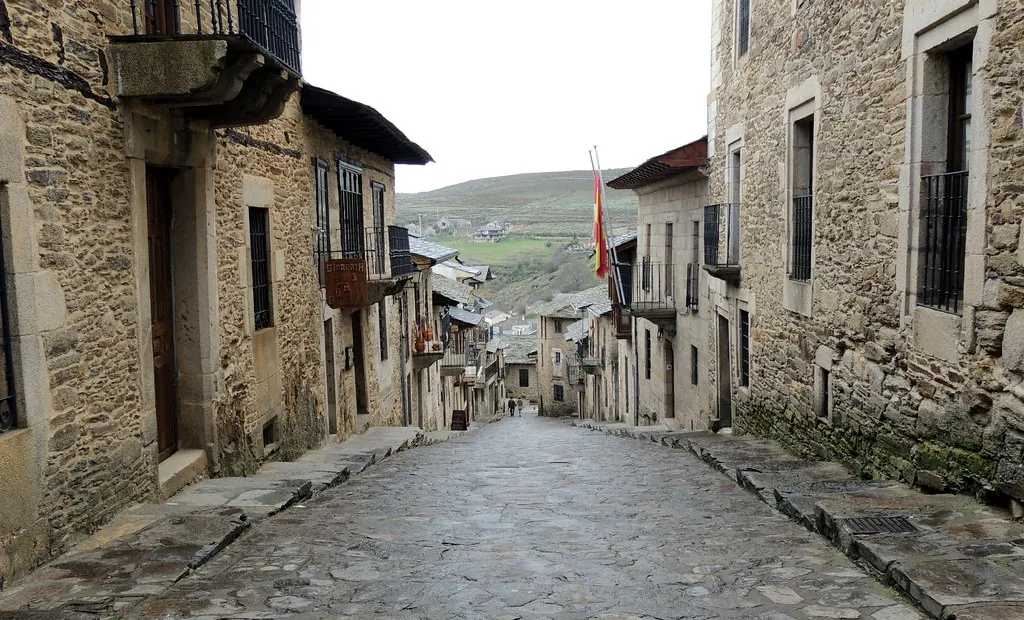
Porto desde el otro lao.JPG
No machine-readable author provided. Portodesanabria assumed (based on copyright claims). · Public domain
Castilla y León · Cradle of Kingdoms

Porto

At 1,200 metres above sea level, Porto sits higher than Ben Nevis. The air thins here, carrying the scent of oak and wild thyme across stone walls ...

147 inhabitants · INE 2025
1211m Altitude

Why Visit

Mountain Church of the Asunción High-mountain hiking

Best Time to Visit

summer

La Asunción (August) agosto

Things to See & Do
in Porto

Heritage

  • Church of the Asunción
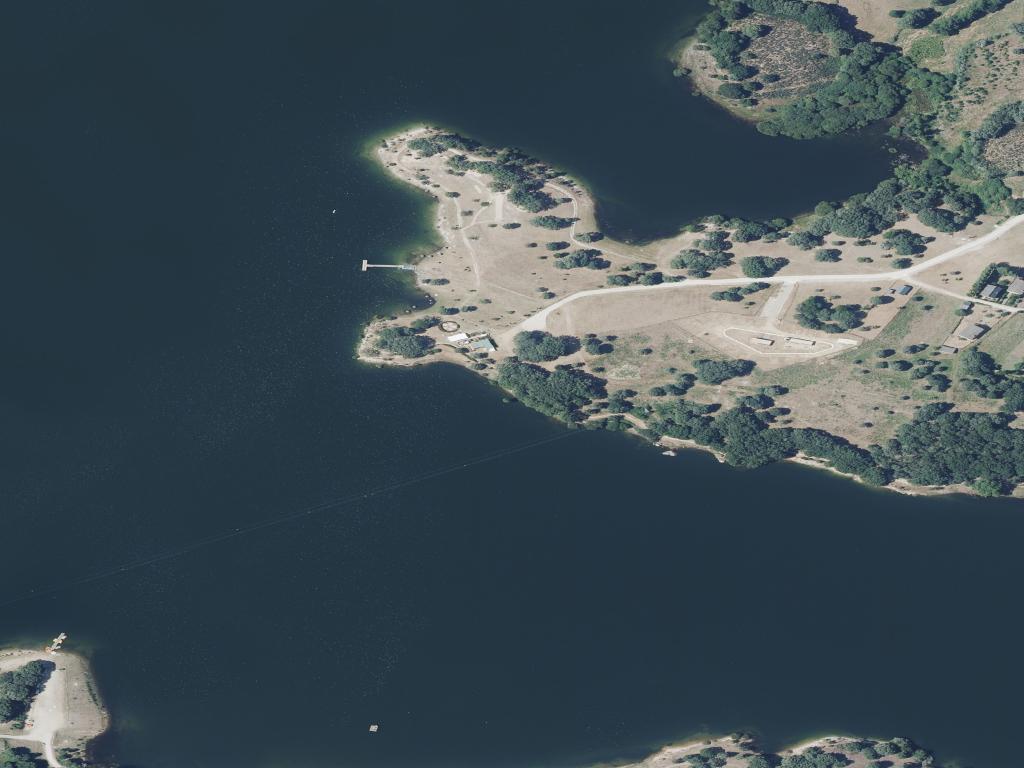
  • mountain reservoirs

Activities

  • High-mountain hiking
  • Livestock farming

Festivals
& & Traditions

Fecha agosto

La Asunción (agosto)

Las fiestas locales son el momento perfecto para vivir la autenticidad de Porto.

Full Article
about Porto

The highest village in the province, set in high mountains; known for its livestock and spectacular alpine scenery.

Ocultar artículo Leer artículo completo

At 1,200 metres above sea level, Porto sits higher than Ben Nevis. The air thins here, carrying the scent of oak and wild thyme across stone walls that have marked field boundaries since medieval times. In this corner of Sanabria, where Spain nudges against Galicia, the village's 160 inhabitants still live by rhythms that pre-date smartphones and Sunday trading laws.

The approach tells you everything. The road climbs from Puebla de Sanabria, winding past abandoned grain stores and fields where brown-and-white cattle graze between chestnut trees. Mobile phone signal fades in and out. By the time Porto appears—stone houses huddled around a slate-roofed church—you've left modern Spain somewhere in the valley below.

Stone, Slate and Survival

Porto's architecture speaks of winters that bite. Houses squat low against the wind, their walls thick enough to keep out January frosts that can linger for weeks. Traditional horreos—granaries raised on stone stilts—stand empty now, but their weathered timbers recall when storing grain meant the difference between eating and starving. Walk the single main street and you'll notice doors built narrow, windows set small, roofs pitched steep for snow that can fall as late as April.

The Iglesia de San Pedro dominates the village centre, its stone facade plain as plain can be. No baroque flourishes here, just solid masonry that has withstood Atlantic storms rolling across the mountains. Inside, the air carries incense and centuries. Sunday mass still draws villagers in their best clothes, though Father Miguel now drives up from the valley to conduct services—Porto hasn't had its own priest since 1987.

Beyond the church, lanes narrow to footpaths between houses. There's no town square, no café terrace for evening drinks. Instead, residents greet each other outside the tiny grocery shop that opens three mornings a week, or at the spring where water runs cold enough to make your teeth ache even in August.

Walking into Another Century

This is hiking country, pure and simple. Ancient paths radiate from Porto like spokes, following drove roads that once echoed to the sound of cattle heading to summer pastures. The Ruta de las Grañas heads north-west through oak forest to abandoned settlements where only foundation stones remain. Allow three hours there and back—take water, because there are no bars, no fountains, nothing but wilderness and the occasional stone marker carved with initials dating to 1892.

Spring brings the best walking. Between late April and early June, meadows explode with colour: purple lupins, yellow broom, wild orchids that locals call palomitas—little doves. The air hums with bees. Temperatures hover around 18°C, perfect for climbing the 300-metre gain to Mirador de los Lobos, where wolf tracks sometimes appear in muddy patches after rain.

Summer hikers need to start early. By 11am the sun burns fierce at this altitude, and shade proves scarce on exposed ridges. Autumn compensates with colour—chestnut bronze, oak copper, beech gold painting hillsides that stretch to the Portuguese border. Winter brings its own challenges. Snow can block the access road for days, and temperatures drop to -15°C. Visit between December and March only if you enjoy proper cold, and bring chains for hire car tyres.

What Passes for Entertainment

Let's be honest: Porto doesn't do entertainment in the conventional sense. No museums, no galleries, no tapas trail. The village's appeal lies precisely in this absence. You come here to disconnect, to remember what silence sounds like, to experience night skies so dark that the Milky Way throws shadows.

Birdwatchers should pack binoculars. Golden eagles ride thermals above the escarpment. Red kites—once nearly extinct in Britain—circle in pairs, their forked tails twisting like aerial wind vanes. At dawn, listen for the three-note call of hoopoes echoing across the valley. Patient observers might spot wild boar rooting under chestnut trees at dusk, though they vanish like ghosts at the first footfall.

Food options remain limited. The village has no restaurant, no bar serving coffee and toast. Self-catering proves essential—stock up in Puebla de Sanabria before the climb. Local specialities worth seeking down in the valley include cocido sanabres, a hearty stew of beef and chickpeas that could fuel a week of mountain walking, and botillo, a smoked meat dish that appears on winter menus when the agricultural calendar demands serious calories.

The Practical Bits That Matter

Porto sits 22 kilometres from Puebla de Sanabria, itself an hour's drive from Zamora on the A-52. Public transport doesn't reach this high—hire cars prove essential, preferably something with decent ground clearance for the final five kilometres of rough track. Fill the tank before leaving the main road; petrol stations thin out fast in these parts.

Accommodation means rural casas, booked through the regional tourist office. Expect stone floors, wood-burning stoves, possibly WiFi if the weather behaves. Prices run €60-80 per night for two-bedroom houses sleeping four. Bring slippers—stone floors get cold even in July—and request extra blankets for autumn visits.

Phone signal varies by provider and weather. Vodafone works best, Orange struggles, and on foggy days even emergency calls might fail. Download offline maps before arrival. The village shop stocks basics: bread delivered twice weekly, tinned goods, local cheese that tastes of mountain herbs. Opening hours remain flexible—if Doña María decides to visit her sister in Galicia, the shop simply stays shut.

Weather changes fast. Pack layers even in midsummer, when morning mist can give way to 25°C afternoons then drop to single digits after sunset. Rain gear proves essential year-round—Atlantic weather systems don't respect Spanish stereotypes of endless sunshine.

When to Cut Your Losses

Porto won't suit everyone. If you need nightlife, museums, or restaurants with English menus, stay away. The village offers no distractions beyond walking, reading, and watching light move across mountains. Rain can strand visitors for days. In winter, pipes freeze and electricity fails. Mobile blackouts mean no Instagram updates, no WhatsApp, no digital escape from your own thoughts.

Yet for those seeking Spain before package tours and property booms, Porto delivers authenticity without the quotation marks. Here, farmers still judge strangers by their boots and their weather sense. Children learn to drive tractors before cars. The church bell still marks time, not tourism.

Come prepared, come with realistic expectations, and Porto offers something increasingly rare: a Spanish village that remains exactly that—a place where people live, work, and endure, rather than perform for visitors. Just remember to bring everything you need, including an appetite for silence that can stretch for days.

Key Facts

Region
Castilla y León
District
Sanabria
INE Code
49162
Coast
No
Mountain
Yes
Season
summer

Livability & Services

Key data for living or remote work

2024
Connectivity5G available
TransportTrain 14 km away
HealthcareHealth center
Housing~5€/m² rent · Affordable
CoastBeach nearby
January Climate3.3°C avg
Sources: INE, CNMC, Ministry of Health, AEMET

Planning Your Visit?

Discover more villages in the Sanabria.

View full region →

More villages in Sanabria

Traveler Reviews