Full Article
about Pena La
Hide article Read full article
Pena La, o cuando el mapa se queda corto
Hay pueblos que no aparecen en las guías, y no porque sean un secreto, sino porque no tienen nada que "vender". Pena La es uno de ellos. Es ese tipo de lugar en la llanura salmantina donde te paras a preguntar por una calle y, mientras te responden, ya te han contado cómo va la cosecha este año. La vida aquí tiene el ritmo lento y práctico de quien mira al cielo para saber la hora.
Con 69 habitantes, el censo es solo un número. Lo que define el día a día es el campo: extensiones de cereal que en verano parecen una tostada gigante, manchas de encinares y piedras que rompen la línea del horizonte. No es un paisaje para postales espectaculares. Es el paisaje de siempre, el que has visto desde la ventanilla del coche mil veces sin fijarte.
Un paseo por lo funcional
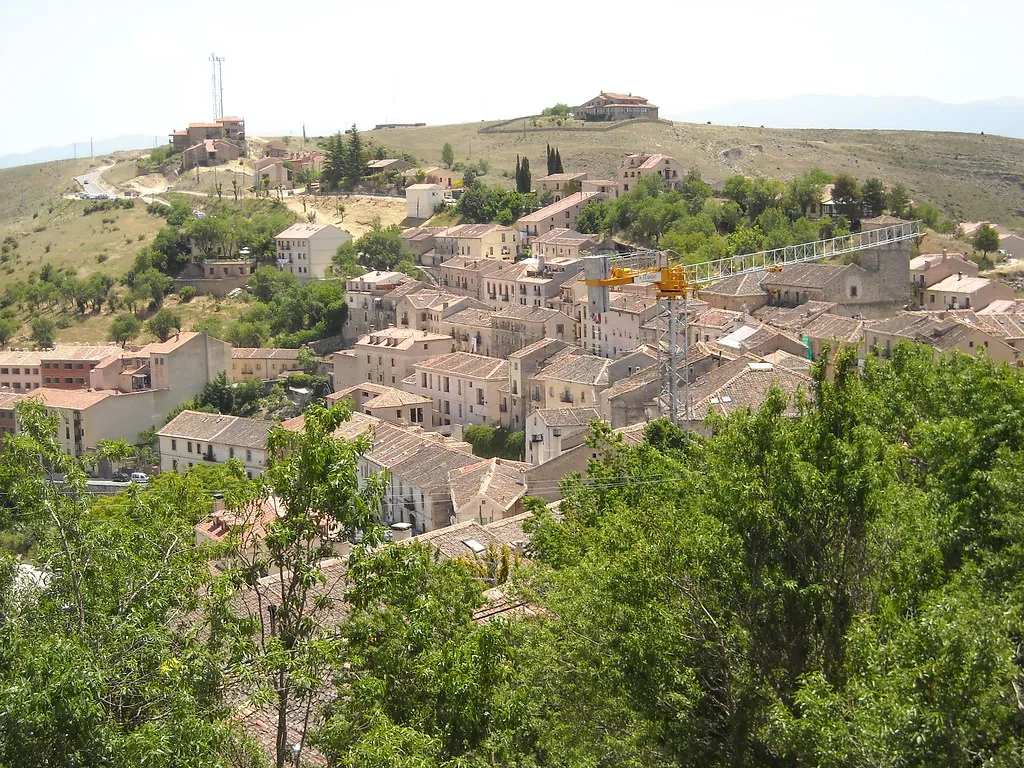
La arquitectura en Pena La sigue una regla básica: resistir. Muros de piedra y adobe, puertas anchas para meter el carro, tejados a dos aguas. Nada está pensado para decorar. Pasear por sus calles tiene algo de entrar en el corral de un familiar; hay utensilios apoyados en las paredes, gallinas sueltas y ese silencio solo roto por una radio lejana.
La iglesia parroquial preside la plaza con la misma naturalidad con la que una mesa camilla preside un salón en invierno. Es el punto de reunión, simple y sin pretensiones. Alrededor, las casas se agrupan como quien se arrima al fuego.
El ritmo lo marca la tierra
Aquí no hay "rutas señalizadas". Hay caminos. Senderos de tierra y grava que comunican con las aldeas vecinos y que usan los tractores a diario. Caminar por ellos es la actividad principal, si es que se le puede llamar actividad. Es más bien eso: caminar.
El paisaje cambia radicalmente con las estaciones. En primavera es todo verde y brotes nuevos; en julio, un mar amarillo que crepita bajo el sol; tras la siega, la tierra se oscurece y parece descansar. Es un buen lugar para mirar al cielo: cigüeñas según la época, y ratoneros o milanos planeando con esa paciencia infinita de quien no tiene prisa.
La comida va en la misma línea. Se basa en lo que hay: embutidos de la matanza, legumbres del terreno, guisos que huelen a cocina de abuela. No es gastronomía con mayúsculas; es comer bien.
Las fiestas: cuando vuelve el ruido
La quietud habitual se rompe en verano, cuando regresan los que viven fuera. Las calles se llenan de sillas, conversaciones largas y música desde un altavoz. Los bailes en la plaza tienen ese aire de reunión vecinal donde todos se conocen.
Las celebraciones religiosas mantienen su hueco en el calendario. Son procesiones modestas, sin demasiada pompa, pero con una participación que demuestra que aquí estos actos son como las comidas familiares del domingo: algo que simplemente se hace.
Cómo llegar (y por qué)
Pena La está en Salamanca, accesible por carreteras secundarias que serpentean entre campos. Venir en coche es lo lógico. Son esas carreteras donde adelantas a un tractor y saludas con la mano al conductor.
El calzado cómodo no es una sugerencia, es obligatorio. En verano, el sol pega fuerte y la sombra escasea; lleva agua y gorra. Primavera y otoño son probablemente los mejores momentos: temperaturas suaves y campos en transición. El invierno puede ser crudo, con un viento seco que cala hasta los huesos.
Este pueblo no intenta cautivarte. Es como esa casa del pueblo funcional y sin adornos donde todo funciona como debe. Vienes si quieres ver cómo late un lugar donde el tiempo todavía lo marcan las cosechas, no los relojes