Full Article
about Aldealcorvo
Tiny municipality near Sepúlveda; offers total peace and clear skies for stargazing.
Ocultar artículo Leer artículo completo
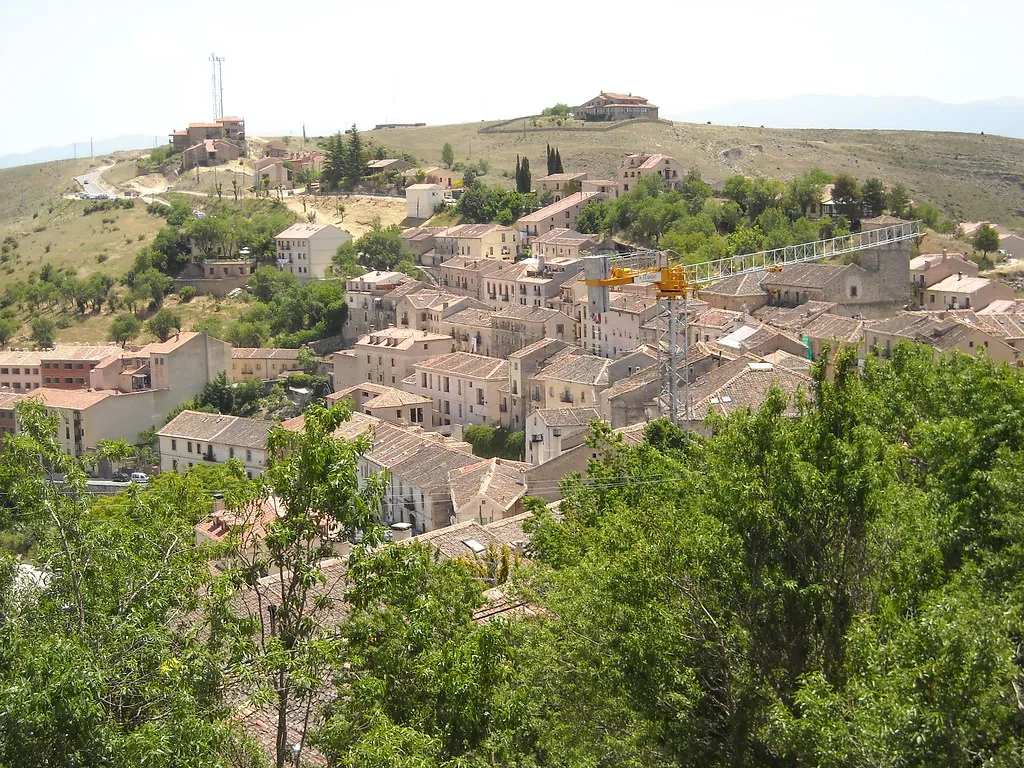
At 956 metres above the meseta, Aldealcorvo sits high enough for the air to carry something the lowlands have forgotten: silence that isn’t empty, but audible. Stand on the ridge above the village at dusk and you can hear grain stubble crackle as it cools, the soft clink of a goat’s bell two fields away, and, somewhere below, the single diesel engine of the evening tractor heading home. Eighteen permanent residents, one bar, no supermarket, and a church tower whose bell still marks the hours for fields rather than phones.
Stone, Straw and the Smell of Rain on Dust
The houses were built in the order the hill allowed. Limestone blocks, straw-coloured render, timber gates wide enough for a mule cart but now used by ageing Seat Ibizas. Adobe walls bulge gently, as if breathing. There are no souvenir shops because no one has thought to open one; the nearest cash machine is eleven kilometres away in Sepúlveda, and it shuts at ten. What Aldealcorvo does have is a complete set of working parts: a bread oven behind the church, a stone trough fed by a brass tap, and a tiny plaza where the evening paseo consists of three men, two dogs and a folding chair that never quite makes it indoors.
Walk the single main lane at seven in the morning and you’ll meet the livestock lorry collecting lambs for the Segovia market. By eight the only movement is a woman in quilted slippers sweeping her threshold; the dust she raises hangs for seconds, then settles back onto stone that has seen the same gesture for five centuries. The architecture isn’t pretty—it’s truthful. Roof beams are hand-hewn oak, blackened by hearth smoke; roof tiles vary in colour depending on which nearby kiln was firing the year a storm tore the old ones away. New builds are forbidden, so the village survives as a closed set: nothing added, little subtracted, the slow patina of use doing the maintenance.
A Plateau that Breathes in Cycles
Altitude matters here. In April the nights drop to 4 °C even while Madrid, 90 minutes west, is sipping gin on pavements. Frost can nip wheat till late May, so farmers plant short-cycle barley and keep early-morning fires of pruned vine stumps smouldering between rows. Come July the same fields bleach to the colour of lion hide and the thermometer nudges 34 °C by midday, yet the air stays thin enough to cool the skin as soon as you step into shade. August brings thunderstorms that crack like splitting timber; roads turn briefly to rivers of red clay, and for two days afterwards the smell of wet earth competes with rosemary drifting from the surrounding garrigue.
Winter is when the village remembers its size. Snow arrives overnight, closes the access road for 48 hours, and the priest from Sepúlveda can’t make it for mass. Residents haul groceries on plastic sledges, burn olive prunings in open hearths, and speak of Madrid as if it were another country. The upside is the clarity: on wind-still evenings the lights of the provincial capital glow on the horizon like a distant ferry, 60 km away as the griffon vulture flies.
Paths that Expect You to Know Where You’re Going
There is no tourist office, so maps are photocopied A4 sheets sellotaped inside the bar door. They show three waymarked loops: 5 km to the ruined shepherd’s hut, 9 km to the Duratón gorge rim, 14 km to the village of Carrascal del Río. All start by crossing the same cattle grid; after that you’re on medieval drove roads where the only blazes are occasional stripes painted by hunters in fluoro orange. Mobile coverage is patchy—download your track before leaving the tarmac.
The reward is space. Wheat fields end abruptly at the gorge; suddenly you’re on limestone cliffs 150 metres above the river, watching griffons ride thermals that rise like express lifts. Binoculars aren’t essential: if a vulture turns overhead you’ll see the fingered wingtips without aid. Below, kayakers appear as yellow commas on green water. The put-in is a 25-minute drive away at Sepúlveda; permits are required between Easter and October and cost €8 per craft, payable at the petrol station that doubles as the park ranger post.
Cyclists arrive with gravel tyres and low expectations of signage. The GR-88 long-distance footpath crosses the village; bikes are tolerated if riders yield to shepherds and dismount when passing livestock. A favourite half-day loop heads south on dirt to the ghost hamlet of Arcones, then tarmac back via the N-110—30 km, 600 metres of climb, no services, one panoramic lunch spot among almond trees that flower in February and scent the whole plateau.
What You’ll Eat and Who’ll Cook It
Aldealcorvo itself has a single bar, El Pedrusco, open Thursday to Sunday. Inside, the television is permanently muted, the coffee machine dates from 1992, and the menu is written on a chalkboard that changes according to whatever José Luis has shot or the baker’s wife has picked. Expect hearty portions: judiones (giant butter beans) stewed with pork cheek, migas—fried breadcrumbs with garlic and chorizo—plus the local roast milk-fed lamb that arrives at the table already chopped into manageable bones. A three-course lunch with wine runs about €16; cards are accepted, but the machine sometimes fails when the wind is easterly.
If you arrive on a Monday, when the bar is closed, food options are 11 km away in Sepúlveda. Try José María, where the lamb is cooked over holm-oak embers and the house red is thick enough to stain the glass. Book ahead at weekends; tour buses from Madrid discharge forty hungry passengers at 2 pm sharp and the dining room empties again by four.
Self-caterers should stock in Segovia before driving up: the village has no shop, and the mobile bakery truck that used to call on Tuesdays discontinued the route in 2021. Fresh milk is a fantasy—bring UHT or make friends with a goat owner.
Where to Sleep Without Breaking the Spell
Accommodation is private homes rented out by word of mouth. Airbnb lists three: a two-bedroom cottage with wood-burning stove (€70 per night), a studio carved into a former hayloft (€55), and a larger house that sleeps six and includes a telescope for star viewing (€110). None have Wi-Fi; phone data works if you stand by the east-facing window. Sheets are line-dried, towels smell of mountain air, and check-in is done by the owner’s cousin who lives three doors down and hands over an actual metal key.
Camping is tolerated on the commons outside the village, but fires are banned after March; the grass burns fast and the nearest fire engine is 25 minutes away. Wild campers should ask at the bar—José Luis will point you to the flattish field below the cemetery and accept payment in beer.
The Calendar No One Prints
Late April: sheep shearing in the plaza, children chase lambs while men sip anis from tin cups. 15 August: the fiesta, population swells to 120, a sound system appears overnight, and the single street becomes a dance floor until the generator runs out of diesel. 1 November: villagers walk to the cemetery at dawn carrying chrysanthemums; visitors are welcomed but photographing mourners will get you a stare sharp enough to split stone. 6 January: Three Kings arrive by 4×4 because the camel hire fell through.
Getting Here, Getting Out
From Madrid, take the A-1 north to km 113, then the N-110 towards Soria for 43 km. Turn left at the lay-by marked by a pile of old fridges—if you reach the wind turbines you’ve gone 3 km too far. The final 8 km are tarmac but narrow; pull in when headlights appear because the drop on the passenger side is not forgiving. Buses stop in Sepúlveda twice daily; the last connecting taxi leaves at 7 pm and costs €20 if you haggle before the driver finishes his cigarette.
Snow chains are compulsory in the boot from November to March; Guardia Civil patrols enforce it with on-the-spot fines. In summer, carry drinking water in the car—radiators overheat on the long climb and phone reception is too patchy for reliable rescue.
The Part that Doesn’t Make the Brochure
Aldealcorvo is not a retreat, a hideaway, or any of the other brochure words. It is simply a place that has kept going. Children still learn to drive on the threshing floor, the priest still argues with the mayor over bell-ringing times, and the village WhatsApp group still panics when a tourist asks for oat milk. Come if you want to notice small changes: cloud shadows crossing the plain, a new crack in the church plaster, the way the barman’s dog grows grey. Stay away if you need constant reassurance—here, the only soundtrack guaranteed is the wind, and even that sometimes pauses, leaving you to listen to your own pulse echoing against limestone walls built long before passports were invented.