Full Article
about Aldeonte
Near the A-1, it’s a crossroads amid traditional farmland and pasture.
Hide article Read full article
Aldeonte: el pueblo que te recuerda que no todos los relojes van igual
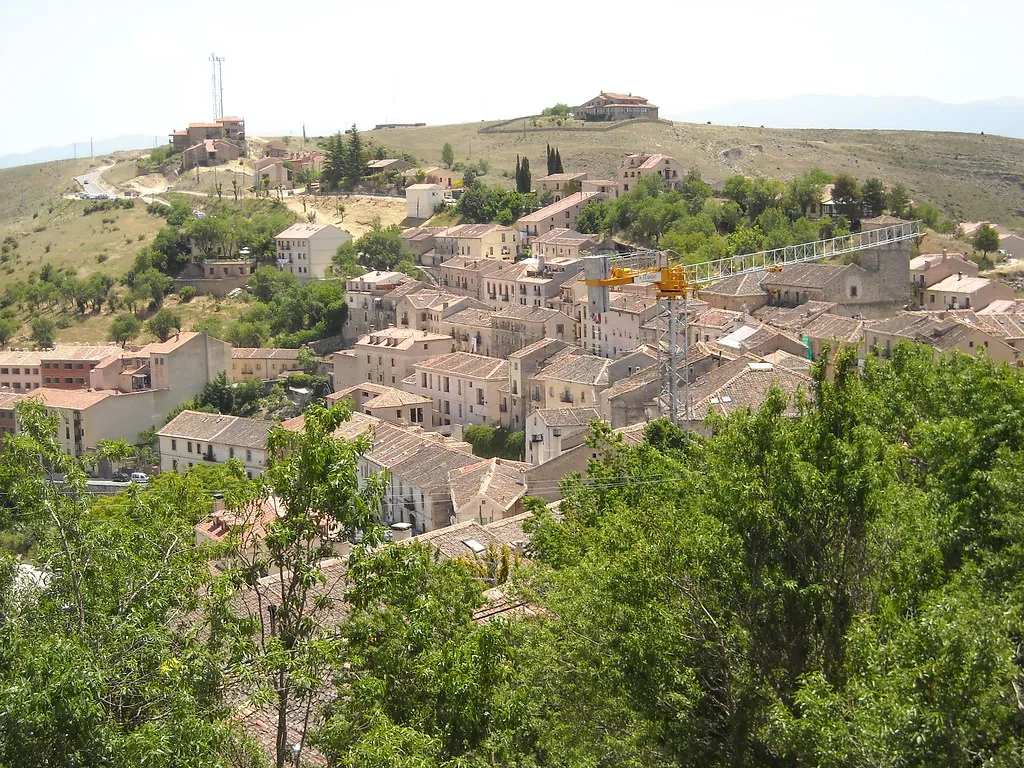
Hay un momento, conduciendo por la carretera SG-V-2323 hacia Sepúlveda, en el que pasas una curva y el paisaje se aplana de golpe. Los campos de cereal lo ocupan todo. Y justo ahí, casi como una afterthought, aparece Aldeonte. No hay cartel luminoso, ni un mirador preparado. Solo un puñado de casas de piedra que parecen crecer del terreno. Aparcas donde puedes, normalmente junto a la iglesia, y te das cuenta de algo: aquí el silencio tiene un peso físico.
Con unos 55 habitantes, Aldeonte es más aldea que pueblo. La cifra es tan baja que la comparación con el autobús urbano se queda corta; es como la plantilla de un bar pequeño. No vengas buscando una postal perfecta. Vienes, en cambio, a ver cómo funciona un lugar que nunca ha dejado de ser lo que es: un núcleo agrario en medio de la llanura segoviana.
Un núcleo donde se ve el trabajo
El trazado es simple. Tres o cuatro calles, alguna cuesta suave y casas de mampostería con portones lo bastante grandes para meter un tractor. La gracia está en los detalles que no se esconden: corrales todavía en uso, leña apilada con método, maquinaria aparcada en un patio porque mañana toca otra vez.
La iglesia de Santa María del Prado es el edificio notable. Es del tipo sobrio y robusto, con una espadaña que sirve de referencia visual desde kilómetros. Dentro huele a madera vieja y cera, como casi todas por aquí. Su horario de misa es escueto; si quieres verla por dentro, pregunta en alguna casa. Alguien suele tener la llave.
El paisaje: cielo y tierra, punto
Sales del casco y te recibe la llanura. Es así de directo. Campos de cereal hasta donde alcanza la vista, algún rodal de encina y robles achaparrados por el viento. Parece monótono hasta que te quedas quieto cinco minutos. Entonces ves el vuelo circular de los buitres leonados (aquí son vecinos habituales), o cómo la luz de la tarde alarga las sombras de cada mata de hierba.
No hay senderos señalizados con paneles informativos. Hay caminos agrícolas, duros y polvorientos en verano, que conectan con otras aldeas como Vellosillo o Duratón. Son ideales para caminar o ir en bici sin más rumbo que seguir una línea en el mapa. Un consejo práctico: lleva agua y gorra siempre, incluso en primavera. Aquí la sombra es un bien escaso y preciado.
Sepúlveda y las Hoces al lado
La relación con Sepúlveda es clara: están a quince minutos en coche pero son mundos distintos. Sepúlveda tiene murallas, iglesias románicas y bares con terrazas llenas. Aldeonte tiene el runrún de una bomba de agua regando una huerta.
Y a media hora tienes la entrada a las Hoces del Duratón. El contraste no puede ser mayor: pasas de la llanura absoluta a los cortados verticales y el rumor del río. Mucha gente usa Aldeonte como base tranquila para explorar ambos mundos sin dormir en medio del bullicio.
Verano: cuando vuelven los que se fueron
Como en tantas aldeas, agosto es el mes distinto. Llegan los veraneantes con raíces familiares aquí y durante unos días se nota vida en la calle. Hay cena comunitaria en la plaza, algún baile y misa solemne. No es un festival; es una reunión familiar a escala pueblo. Si coincides esos días, verás su versión más social. Si vienes cualquier otro mes, verás su día a día: silencio, un tractor pasando a las once, y el viento moviendo las ramas de los álamos junto al arroyo.
Para qué sirve parar aquí
Aldeonte no es un destino. Es una pausa. El tipo de lugar donde paras no porque haya algo "imprescindible" que ver, sino porque necesitas estirar las piernas y terminas sentado en un banco oyendo cómo suena la quietud. Luego sigues tu camino hacia Sepúlveda o hacia las Hoces. Pero durante ese rato, tu viaje fue solo esto: un pueblo pequeño, un campo inmenso, y la sensación rara de que el tiempo fuera tuyo. A veces eso basta