Full Article
about Barbolla
Farming village in the Sepúlveda region; it keeps its traditions and has a church with baroque altarpieces.
Hide article Read full article
A Small Village on the Segovian Plateau
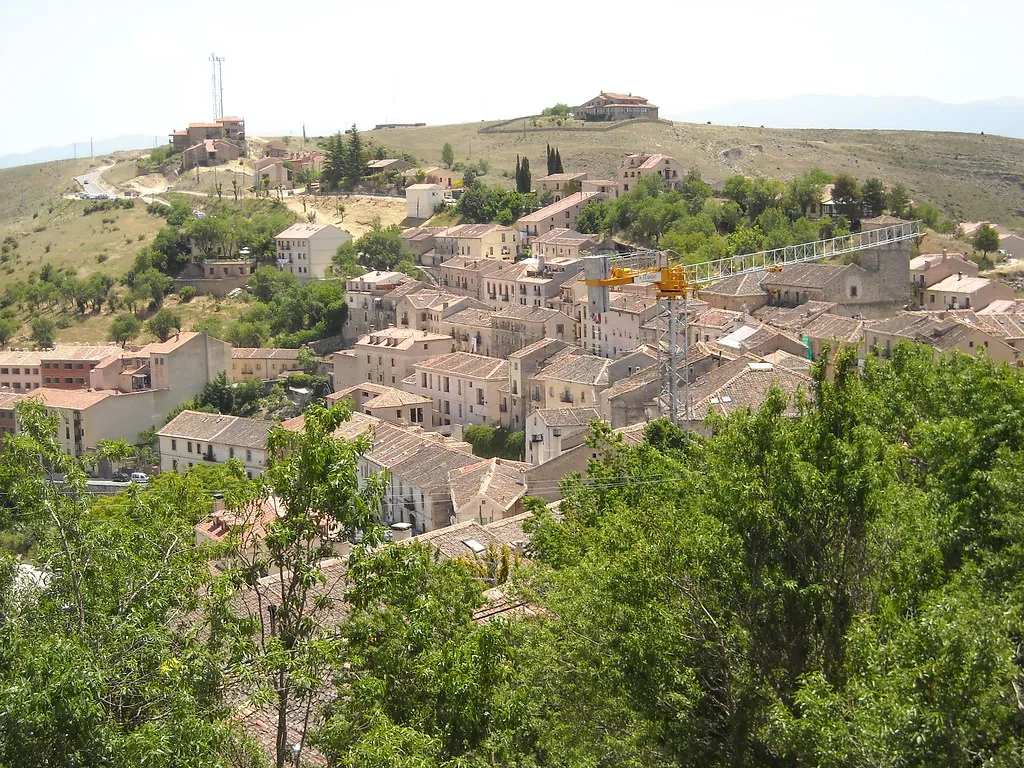
Tourism in Barbolla begins with understanding its setting. The village lies in the province of Segovia, within the comarca of Sepúlveda, in a transition zone between wide, open high plains and the valleys that cut through Spain’s central plateau. At around 940 metres above sea level, the settlement gathers around its parish church, first built in the 16th century and altered over time.
Barbolla belongs to a network of small rural communities that still depend on agriculture. The population is limited and daily life follows the rhythm of the land. The surrounding landscape explains much about the place: cereal fields stretch across the plateau, livestock graze nearby, and tracks link farms with neighbouring villages.
Close to the N‑110 road, Barbolla sits just a few kilometres from Sepúlveda and from the area shaped by the river Duratón. There is no tourist infrastructure in the village itself. Even so, its location makes it easy to explore this part of the province.
Rural Architecture and Everyday Heritage
The centre of Barbolla is compact and can be explored quickly. The houses follow the practical building traditions of the meseta, Spain’s high central plateau. Walls are made of stone masonry, sometimes mixed with adobe, and roofs are simple and functional. Many homes were built with agricultural use in mind, with adjoining corrals, haylofts or storage spaces.
The parish church stands at the most visible point in the village. The current building reflects several phases of alteration, a common feature in rural churches that have been maintained and adapted over centuries. Rather than elaborate artistic detail, what stands out is its role as the heart of the community.
The streets are short and quiet. Wooden gates appear alongside uneven façades and interior courtyards. Some buildings have been restored and now serve as permanent or seasonal homes. Others show the wear of time. There is no uniform look. Carefully maintained houses stand next to structures that still carry traces of long agricultural use.
In several spots, farm tools, trailers or tractors are parked beside the houses. The boundary between home and work remains blurred. This coexistence forms part of the village’s everyday landscape.
The Landscape Around Barbolla
The immediate surroundings are open. Cereal crops occupy much of the territory. Among the fields there are patches of holm oak and oak, more noticeable near the small valleys that break up the plateau.
Not far away, the terrain begins to change. The relief hints at the gorges of the river Duratón, known locally as the hoces. Over time, the river has carved deep ravines into the limestone rock. From certain agricultural tracks, this shift in landscape can already be sensed, as the flat horizon gives way to more abrupt forms.
Birdlife is a constant presence. Birds of prey are common in the area. Griffon vultures can often be seen gliding on the air currents that rise from the gorges. Storks appear in the fields, along with other species linked to open countryside.
Barbolla’s appeal lies largely in this setting. The broad skies of the plateau, the cultivated land and the proximity of the Duratón combine to shape the experience of the place.
Walking the Tracks and Exploring the Duratón
Within Barbolla’s municipal boundaries there are no signposted walking routes as such. However, agricultural tracks allow for straightforward walks between plots of land and over gentle rises. These are simple outings, without major changes in elevation.
It is worth remembering that many of these paths cross working farmland, often used for livestock. Depending on the time of year, flocks or machinery may be encountered along the way. This is an active rural environment rather than a designated hiking area.
For those who wish to explore the gorges of the Duratón more fully, there are established trails and designated areas within the natural park that protects this stretch of the river. Viewpoints and specific observation points make it possible to look out over the cliffs and see the vulture colonies that nest in the rock faces.
The contrast between the open plateau around Barbolla and the sudden depth of the Duratón gorges is one of the defining features of the wider area. Moving between these landscapes helps to place the village in its geographical context.
Traditions and the Local Calendar
Village festivals are usually held in summer. They include a mass, a procession and gatherings among neighbours. These are small-scale celebrations, intended mainly for those who live in Barbolla or return during the holiday period.
Across the comarca, other traditions linked to the rural calendar are still maintained. Some are associated with the quintos, a historic custom involving young people of the village, while others relate to agricultural fairs or older winter festivities. These events do not always follow a fixed programme every year, and their scale varies from place to place.
The emphasis remains local. Rather than large public spectacles, they reflect continuity with agricultural life and long-standing community ties.
Getting There and What to Expect
The most direct access to Barbolla is by road from Sepúlveda or from the N‑110. In practical terms, travelling by car is the only realistic way to reach the village and move around the area.
Barbolla does not have shops or services aimed at visitors. It is usually considered a quiet base from which to explore the surrounding comarca. Sepúlveda and other nearby municipalities concentrate most of the services in this part of Segovia province.
The village itself can be seen in a short time. The real interest lies in its setting: the plateau landscape, the proximity of the Duratón and the agricultural life that still sets the pace. Barbolla forms part of a broader rural fabric, where small settlements remain connected to the land and to each other through fields, tracks and shared traditions.