Full Article
about Condado de Castilnovo
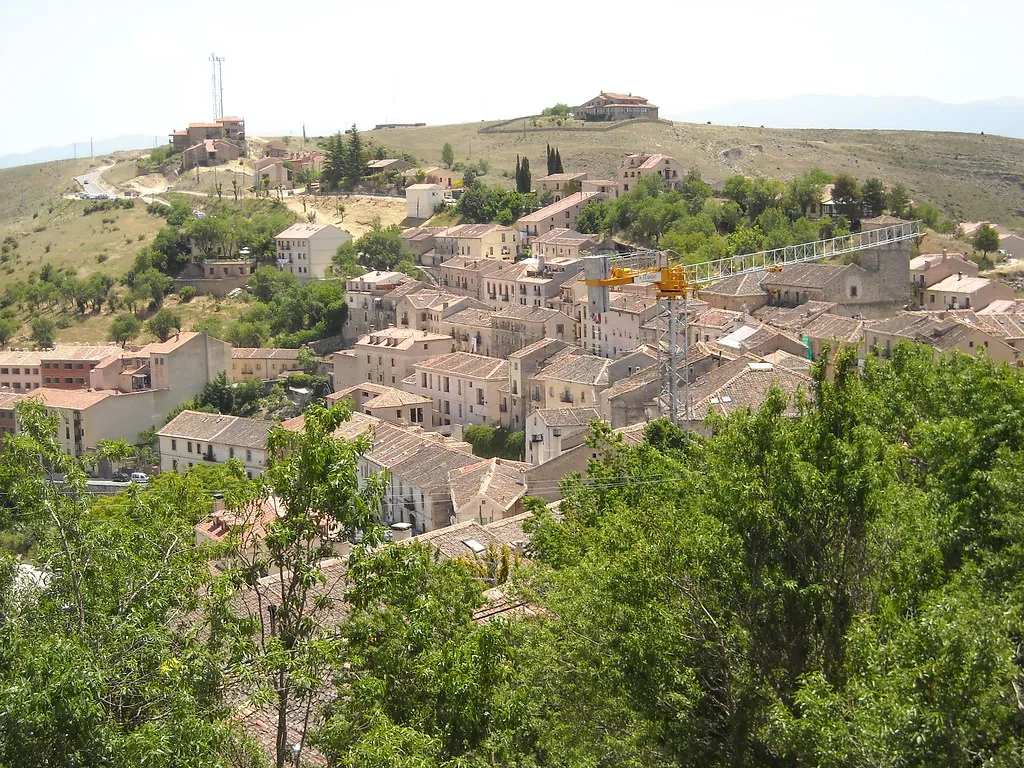
Municipality made up of several villages; its striking inhabited medieval castle stands out.
Hide article Read full article
Condado de Castilnovo: el pueblo que te para en seco
Hay pueblos que aparecen de golpe. Doblas en una carretera secundaria y, sin más aviso, cuatro tejados y una espadaña se levantan sobre los campos. Condado de Castilnovo es así. Un sitio de unos setenta vecinos, a mil metros en la llanura segoviana, rodeado de cereal con algún pino suelto. El silencio no es un montaje para turistas. Es lo que hay.
La primera sensación es que aquí el tiempo va a otro ritmo. El pueblo conserva el aire de un asentamiento señorial antiguo –su nombre ya suena a documento medieval– y su trazado ha cambiado poco. Calles estrechas se cuelan entre casas de piedra y entramado de madera, construidas a la buena de Dios, adaptándose a la cuesta.
Si vas despacio, ves los detalles. Un dintel gastado en una puerta, un corralito pegado a la fachada, un portalón por donde antes debían pasar las carretas de grano. Nada está puesto para decorar. Lo que ves es la arquitectura práctica de un mundo rural hecho de agricultura y aguante.
Desde algunos puntos del pueblo se tienen esas vistas largas típicas de esta Castilla. Campos de labor hasta donde alcanza la vista, salpicados de encinas aisladas y pinares pequeños. Al norte, el terreno empieza a ondularse hacia las primeras estribaciones de las Hoces del Duratón. Al sur, en un día claro, se recorta en el horizonte la lejana silueta de la Sierra de Guadarrama.
Pasearlo (que es lo único que hay que hacer)
Condado no es un lugar para ir tachando monumentos de una lista. El interés está más en el conjunto que en ningún punto concreto.
En el centro está la iglesia de San Bartolomé. Es modesta, con una espadaña sencilla. Tiene pinta de obra antigua, probablemente moderna. Lleva siglos mirando al mismo paisaje: campos alrededor, vecinos yendo y viniendo, y poco más que rompa el ritmo.
El resto del paseo consiste en fijarse en cómo está hecho el pueblo. Casas de mampostería junto a fachadas que aún conservan el entramado de madera. Las cuadras y los corrales siguen pegados a las viviendas, porque la vida doméstica y la agraria aquí fueron lo mismo. En varios sitios se adivinan lo que parecen bodegas o espacios semienterrados que cumplían su función en la vida campesina.
No hay muchas calles donde perderse. Un par de ejes principales estructuran el poblado, con algunas ramificaciones menores que se adaptan al terreno. En media hora puedes recorrerlo entero, pero la gracia es no tener prisa. La experiencia se parece más a cuando un amigo te pasea por su pueblo y te va contando para qué servía cada edificio.
Por los caminos (que son solo eso: caminos)
Varias pistas agrícolas salen del pueblo. No son rutas señalizadas al estilo parque natural; son los caminos tradicionales de tierra entre parcelas, que a veces atraviesan algún pinar o suben una loma baja con vistas sobre la comarca de Sepúlveda.
Si te gusta andar sin demasiado plan, este paisaje funciona bien. Sigues un camino entre campos un rato, te encuentras con una fuente vieja o los restos de un aprisco, y sigues. No hay nada espectacular, pero resulta satisfactorio si lo que buscas es desconectar del ruido y la rutina.
El cielo aquí es parte del atractivo. Sobre estos campos abiertos es común ver aves rapaces trazando círculos. Milanos, cernícalos y otras rapaces aprovechan las térmicas sobre los cultivos. Con unos prismáticos y algo de paciencia, es fácil pasar un buen rato mirando arriba en vez de al frente.
Con el otoño llega otra actividad clásica a los pinares de alrededor: buscar setas (níscalos sobre todo). Hay que ir con cuidado –y respetando las normas locales– porque experiencia hace falta; no todo lo que sale del suelo está pensado para la sartén.
Fiestas como las había
Las fiestas del pueblo giran alrededor del patrón San Bartolomé (finales agosto). Aquí conviene ajustar expectativas: no hay grandes escenarios ni programas repletos; son procesiones sencillas reuniones vecinales en plaza comidas compartidas
Es ese tipo celebración todavía recuerda lo fueron generaciones menos espectáculo más reencuentro Mucha gente vuelve entonces tiene familia aquí aprovecha unos días verano reforzar vínculos décadas
Condado Castilnovo fin uno esos pequeños núcleos provincia Segovia parece no pasar nada Quizá ahí esté su gancho Un grupo discreto casas campos todas direcciones sensación paisaje sigue marcando compás vida diaria
Para quien quiera entender cómo son estos rincones meseta castellana parada aquí tiene sentido No grandes declaraciones atracciones compitan atención Hay espacio continuidad presencia constante forma vida hecha tierra estaciones