Full Article
about Duruelo
Charming village near the sierra; noted for its Romanesque church declared a national monument.
Hide article Read full article
Duruelo, en el páramo segoviano
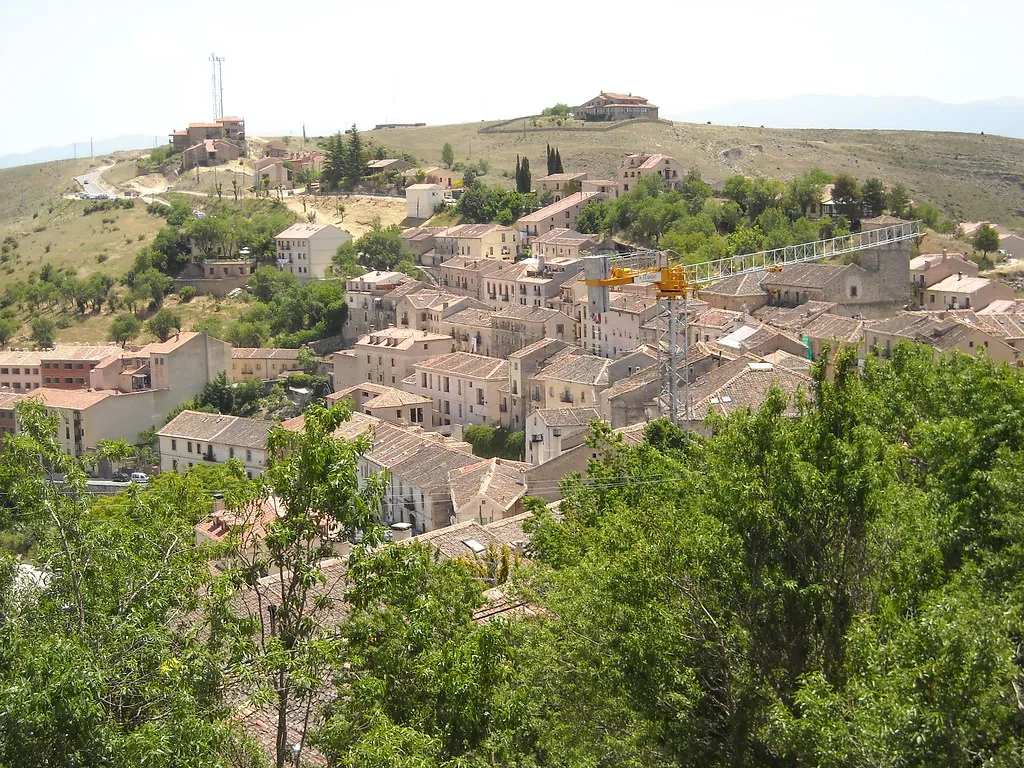
Duruelo se encuentra en el norte de la provincia de Segovia, dentro del partido judicial de Sepúlveda. El pueblo se asienta sobre la llanura, a una altitud que ronda los mil metros. La vista desde cualquier acceso es amplia y despejada, un paisaje de campos de cereal interrumpido por manchas de encina y sabina. La geografía aquí es determinante: un terreno elevado y expuesto, donde el clima ha condicionado tanto el cultivo como la arquitectura.
La población no llega a doscientos habitantes. La actividad principal sigue siendo agraria, lo que marca un ritmo diario vinculado a las estaciones y alejado del bullicio. No es un lugar de paso; se llega expresamente.
Un trazado que responde al oficio
El casco urbano es pequeño y compacto. Sus calles no responden a un plano preconcebido, sino a una necesidad práctica: agrupar las viviendas cerca de las tierras de labor y protegerse del cierzo. La construcción tradicional emplea mampostería, adobe y ladrillo, materiales habituales en esta zona de Castilla. Muchas fachadas han sido reformadas, pero la estructura original se reconoce en los volúmenes macizos y los huecos escasos.
La iglesia parroquial de la Natividad, del siglo XVI con reformas posteriores, funciona como referencia visual y social. Su atrio es el punto de encuentro y desde él se entiende la disposición del pueblo: las casas se apiñan a su alrededor, dejando patios interiores que servían de resguardo para el ganado menor. Esa distribución habla de una vida donde lo doméstico y lo productivo estaban integrados.
El límite del páramo y el vuelo del buitre
Al noroeste del término municipal, el terreno comienza a quebrarse. Los campos de secano dan paso a los cortados que anuncian las hoces del Duratón. El cambio es brusco: la horizontalidad del páramo se rompe con la caída vertical de la roca caliza.
Desde algunos caminos rurales al borde del pueblo ya se distingue el perfil de los cortados. Es frecuente ver buitres leonados planeando sobre ellos, aprovechando las corrientes térmicas. La colonia de la hoz del Duratón es una de las mayores de la península, y su proximidad convierte la observación de estas aves en algo casi cotidiano desde ciertos puntos.
Caminar por los rasos
Una red de pistas y senderos de uso agrícola comunica Duruelo con las parcelas y con las pedanías vecinas. No son rutas señalizadas para senderismo, pero pueden recorrerse a pie o en bicicleta para adentrarse en el paisaje agrario.
Conviene llevar agua y un medio de orientación fiable —un mapa o un GPS—, ya que el terreno es abierto y las referencias escasas. El valor de estos caminos está precisamente en su falta de preparación: atraviesan campos de cultivo reales, bordean manchas de bosque bajo y permiten comprender la escala y el ritmo del trabajo en el páramo.
La hoz del Duratón y el ciclo local
El parque natural de las Hoces del Río Duratón se encuentra a unos veinte kilómetros por carretera. El acceso más directo desde Duruelo conduce a alguno de los miradores superiores de la garganta. El contraste con el entorno inmediato del pueblo es total: se pasa de la llanura a la profundidad del cañón en minutos.
Dentro del parque, los recorridos más conocidos bajan hasta el cauce del río, donde el ecosistema cambia por completo. La visita requiere planificar horarios y permisos si se quiere acceder a la zona restringida alrededor del monasterio de San Frutos.
En el pueblo, el calendario lo marcan la agricultura y las festividades religiosas. La celebración principal es en agosto, dedicada a la Virgen de la Natividad. Es el momento en que regresan los vecinos que viven fuera y la actividad se concentra en la plaza y las calles inmediatas.
Duruelo no tiene servicios turísticos desarrollados. Su interés reside en la conservación de un paisaje agrario castellano intacto y en su posición como base para visitar Sepúlveda y el parque natural del Duratón. La experiencia aquí es la de un pueblo que funciona según sus propias reglas, lejos de cualquier circuito establecido.